By Admin
Content
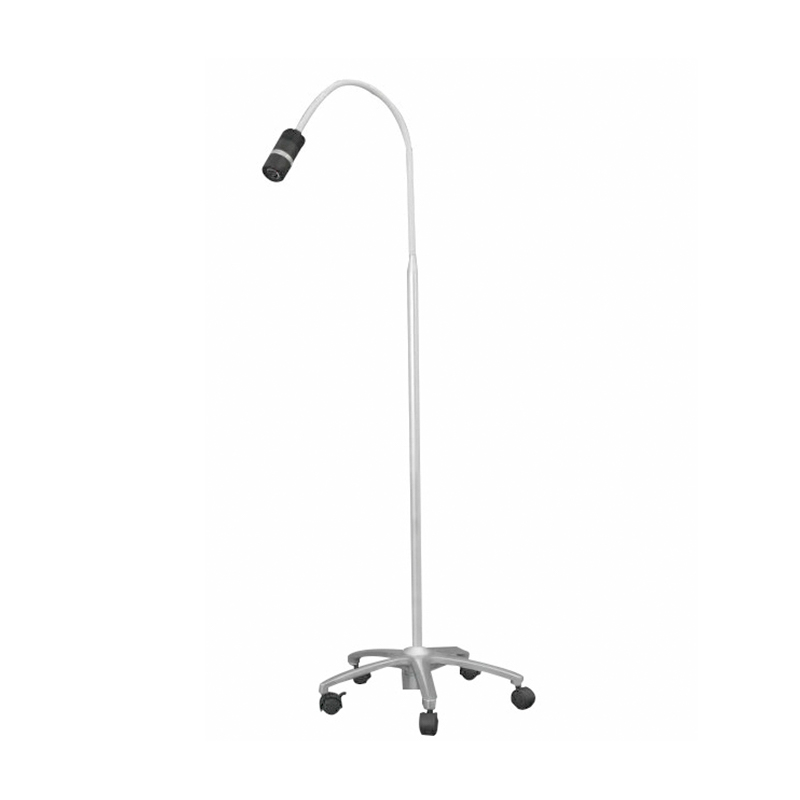
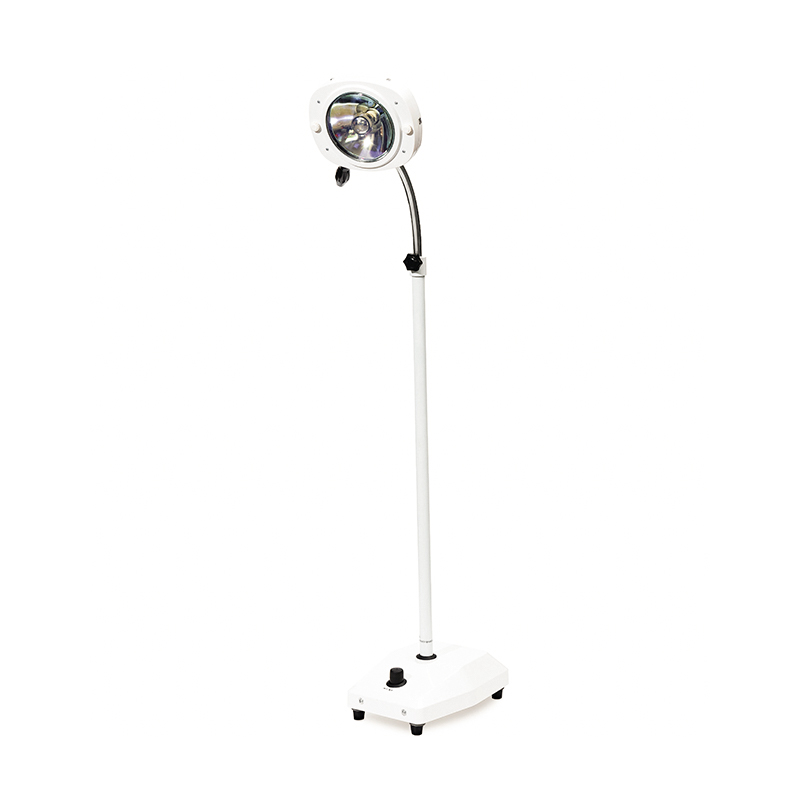
Yes — UV sterilisation genuinely works, and the science behind it is well established. Ultraviolet-C (UVC) light at wavelengths between 200 nm and 280 nm disrupts the DNA and RNA of microorganisms, preventing them from replicating and rendering them effectively inactivated. Pathogens including bacteria, viruses, and fungi are all susceptible to UVC exposure. However, effectiveness depends heavily on the type of UV source, the wavelength used, the exposure duration, and the distance between the lamp and the target surface. A professional-grade UV Lamp Sterilizer Trolley is engineered to optimise all of these variables simultaneously — making it a reliable disinfection solution for healthcare, hospitality, education, and other high-traffic environments.
This article examines the evidence for UV sterilisation, explains what determines its real-world performance, and outlines why a mobile UV Lamp Sterilizer Trolley offers practical advantages over fixed or handheld alternatives.
UVC light works through a process called photochemical disruption. When UVC photons are absorbed by nucleic acids — the building blocks of DNA and RNA — they cause adjacent molecules to bond incorrectly, forming what scientists call thymine dimers. These structural errors prevent the microorganism from replicating, effectively neutralising the threat without the use of chemicals.
This mechanism is not selective. It applies to gram-positive and gram-negative bacteria, enveloped and non-enveloped viruses, mould spores, and other pathogens. Importantly, because UVC acts on the genetic material itself rather than targeting a specific biological receptor, microorganisms cannot develop resistance to it — a significant advantage over chemical disinfectants where overuse can contribute to antimicrobial resistance.
The most effective wavelength for germicidal applications is approximately 253.7 nm, which falls within the peak absorption range of nucleic acids. Low-pressure mercury UV lamps are designed to emit light at this precise wavelength, which is why they remain a standard in professional UVC disinfection equipment.
Understanding that UV sterilisation works in principle is only part of the picture. In practice, several variables must be controlled for the process to deliver consistent, measurable results.
Germicidal dose is calculated as the product of irradiance (measured in µW/cm²) and exposure time (in seconds). A higher-output lamp can achieve the required dose in a shorter time, while a weaker lamp may require significantly longer exposure — or may fail to reach lethal dose at greater distances. Professional UV Lamp Sterilizer Trolleys are rated for specific dose outputs and coverage areas, making their efficacy predictable and auditable.
UVC intensity follows the inverse square law: doubling the distance from a lamp reduces intensity to one quarter. This means positioning matters enormously. A trolley-mounted system allows operators to place lamps at an optimal height and distance from target surfaces — something difficult to achieve consistently with handheld wands or ceiling-mounted fixed units alone.
UVC light travels in straight lines and cannot sterilise surfaces it cannot reach. Objects, furniture, and irregular surfaces all create shadows where pathogens may survive. Multi-lamp trolley configurations and repositionable lamp heads are designed specifically to address this limitation by allowing operators to cover multiple angles during a single disinfection cycle.
UV lamps degrade over time. A lamp that has exceeded its rated service life may emit less than 50% of its original UVC output even while appearing to glow normally, since the visible light output and the germicidal UVC output decline at different rates. Replacing lamps at manufacturer-recommended intervals is essential to maintain verified disinfection performance.
The table below summarises typical UVC doses required to achieve a 3-log (99.9%) reduction for a range of common pathogens, based on published microbiological literature. These figures assume direct line-of-sight exposure at the stated dose.
| Pathogen Type | Example Organisms | Approx. UVC Dose for 99.9% Inactivation (µJ/cm²) | Relative UVC Sensitivity |
|---|---|---|---|
| Gram-negative bacteria | E. coli, Salmonella spp. | 3,000 – 6,600 | High |
| Gram-positive bacteria | Staphylococcus aureus, MRSA | 5,000 – 10,000 | High |
| Enveloped viruses | Influenza, coronaviruses | 3,000 – 6,000 | Very High |
| Non-enveloped viruses | Norovirus, Adenovirus | 10,000 – 30,000 | Moderate |
| Mould and fungal spores | Aspergillus spp., Candida | 15,000 – 100,000 | Low to Moderate |
As the data shows, enveloped viruses and most common bacteria are among the most susceptible pathogen categories — which aligns with the primary infection control needs of hospitals, clinics, hotels, schools, and transport operators.
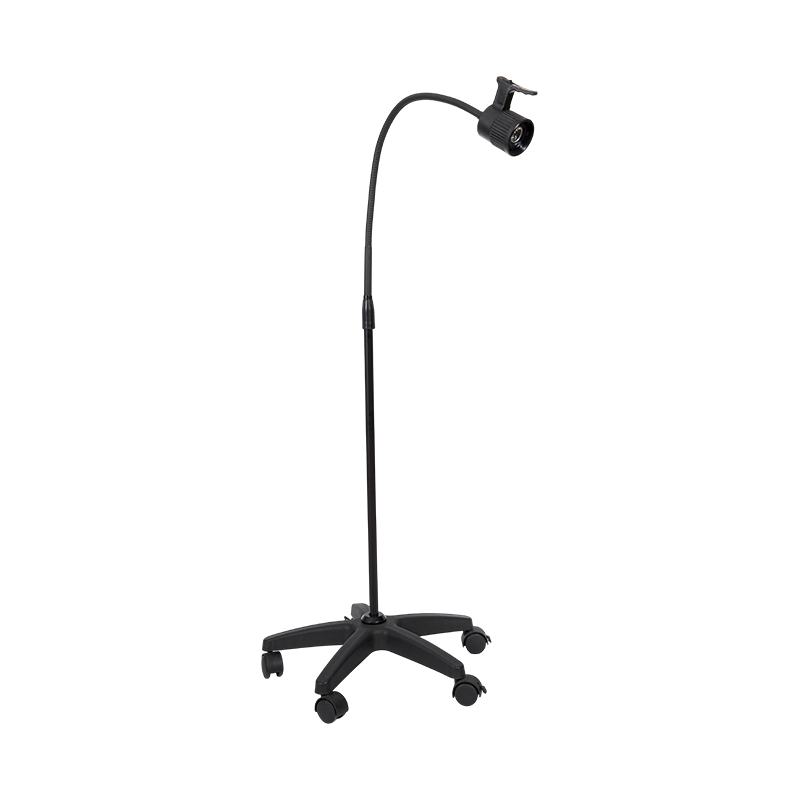
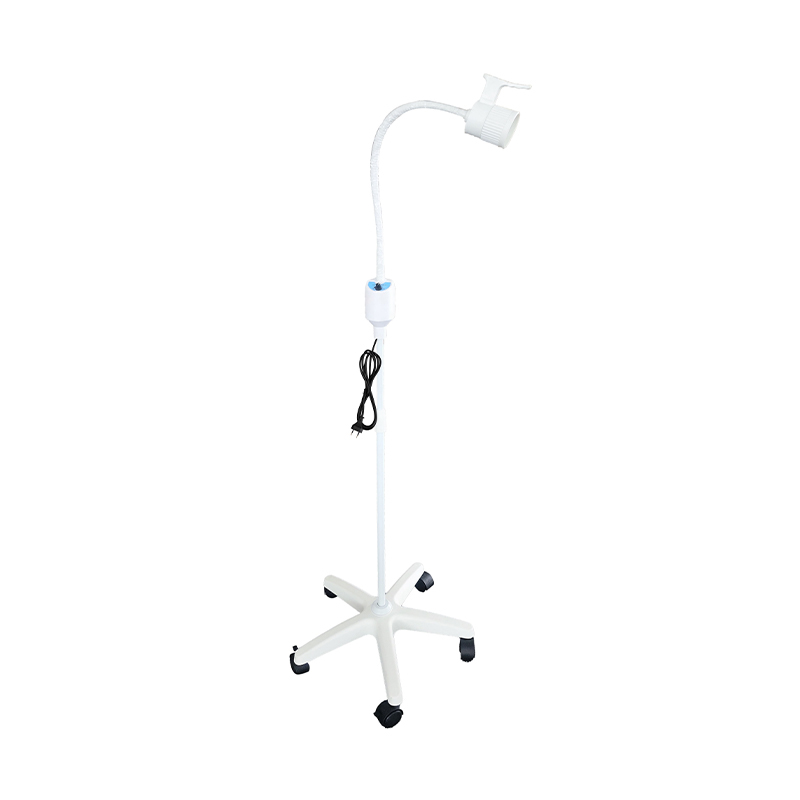
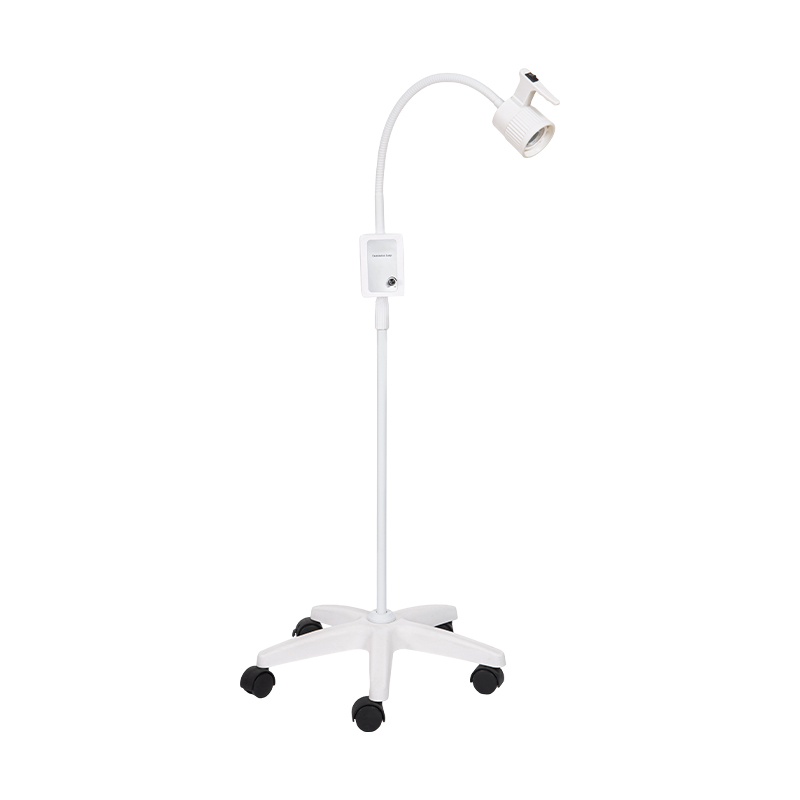
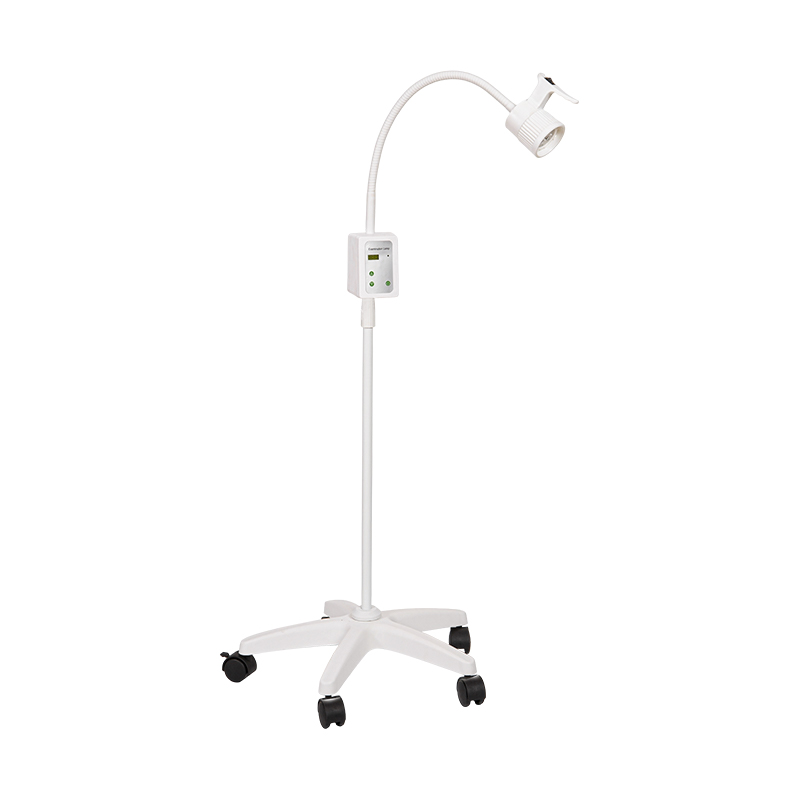
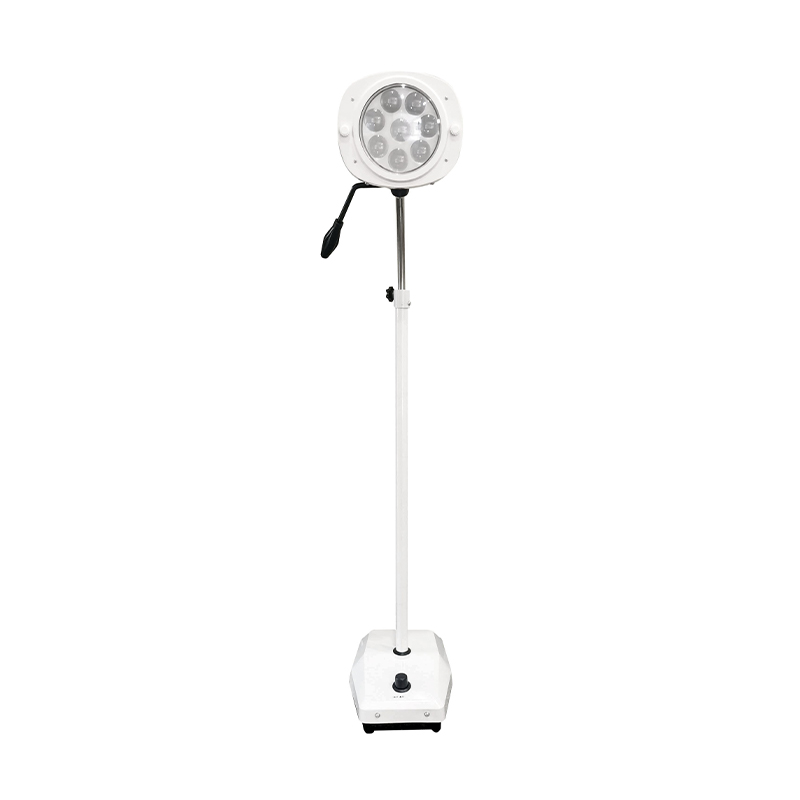
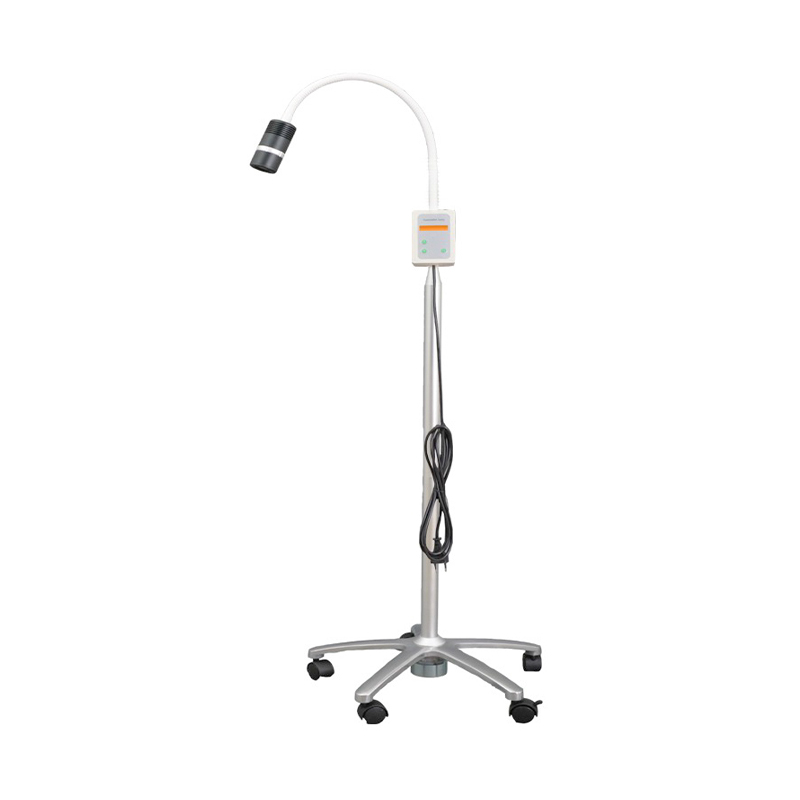
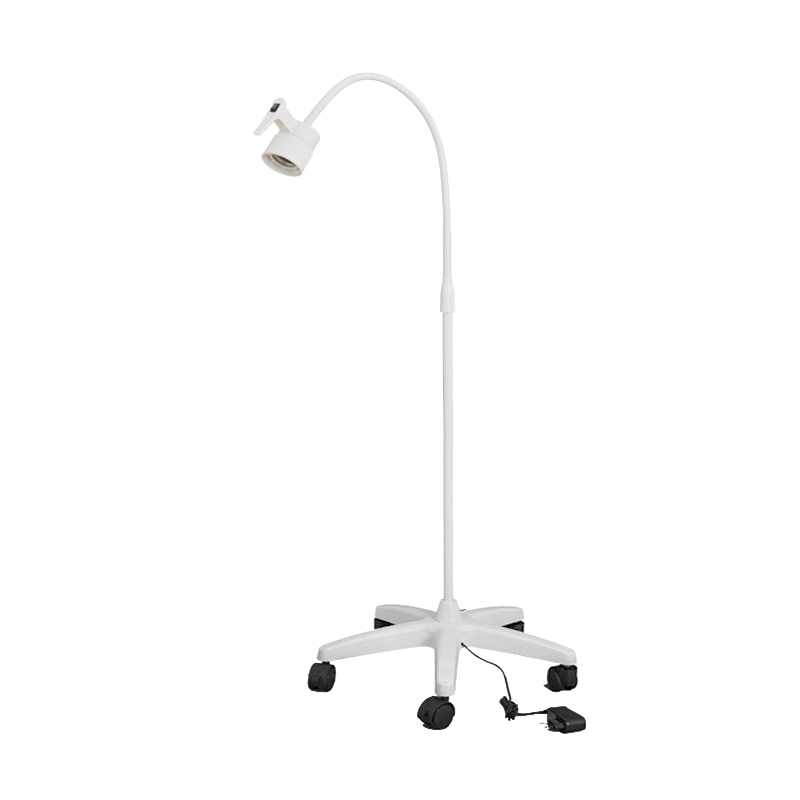
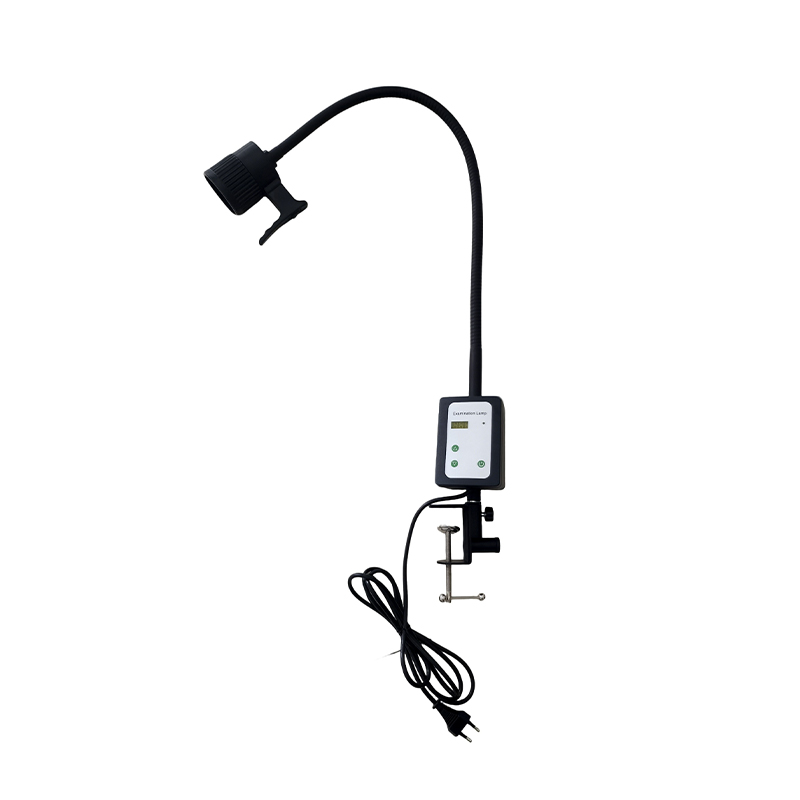
The format of the UV disinfection system matters as much as the lamp quality itself. A mobile UV Lamp Sterilizer Trolley offers several structural advantages over handheld wands, portable desktop units, or fixed ceiling installations.
UV Lamp Sterilizer Trolleys are used across a broad range of professional settings. Their adoption has expanded significantly as facilities managers and infection control officers seek chemical-free, residue-free, and consistently verifiable disinfection methods.
Transparent communication about UVC limitations is part of responsible deployment. Understanding these constraints helps operators use UV Lamp Sterilizer Trolleys correctly and get the best results.
For procurement teams and facilities managers evaluating UV trolley solutions, the following specifications should be reviewed carefully before purchase.
| Specification | What to Check | Why It Matters |
|---|---|---|
| UVC wavelength | 253.7 nm (low-pressure mercury) or equivalent | Peak germicidal absorption range |
| Lamp wattage | Total output for the intended room size | Determines dose delivery and cycle time |
| Rated lamp life | Typically 8,000–12,000 hours | Determines running cost and replacement frequency |
| Safety interlocks | Motion sensor, remote control, timer | Prevents accidental human exposure |
| Certifications | CE, RoHS, relevant national safety marks | Confirms compliance and traceability |
| Lamp count and configuration | Single vs. multi-lamp, fixed vs. adjustable | Affects shadow coverage and versatility |
The scientific evidence for UVC sterilisation is robust and well-documented. The technology works — provided the correct wavelength, sufficient dose, adequate exposure time, and proper surface preparation are in place. A professional UV Lamp Sterilizer Trolley is the most practical and scalable way to deliver those conditions reliably across varied spaces in a commercial or institutional environment.
For procurement teams sourcing disinfection solutions, the key questions are not whether UV sterilisation works — they are whether the specific unit being considered delivers the required dose for the target pathogens, whether it is rated for the space sizes in use, and whether it is supported by verifiable technical documentation and proper after-sales service. Addressing those questions rigorously is the difference between a UV trolley that delivers measurable infection control outcomes and one that simply looks the part.
 We have specialised in medical devices for 32 years.
Contact Us
 No 48 Xiaokan Rd, Shizhuang town, Jiangyin, Jiangsu, China
 sara@jsf-qx.com
 +86-18915253915
 +86-18861287595
+86-18915253915
+86-18861287595
+86-18915253915
Copyright @ Jiangyin Jianshifu Equipment Co.,Ltd.
 Custom Disinfection Equipment Manufacturers
China Disinfection Equipment Factory
Custom Disinfection Equipment Manufacturers
China Disinfection Equipment Factory
The information provided on this website is intended for use only in countries and jurisdictions outside of the People's Republic of China.


 English
  عربى
عربى