By Admin
Content
In high-turnover clinical settings, the risk of cross-contamination via bedding and mattresses remains a significant challenge for hospital hygiene departments. Traditional laundering often fails to address pathogens embedded deep within porous mattress materials. The Medical Mobile Bed Unit Sterilizer provides a specialized solution by utilizing high-density ozone ($O_3$) to osmose through bedding, ensuring a 360-degree disinfection that liquid chemicals cannot achieve.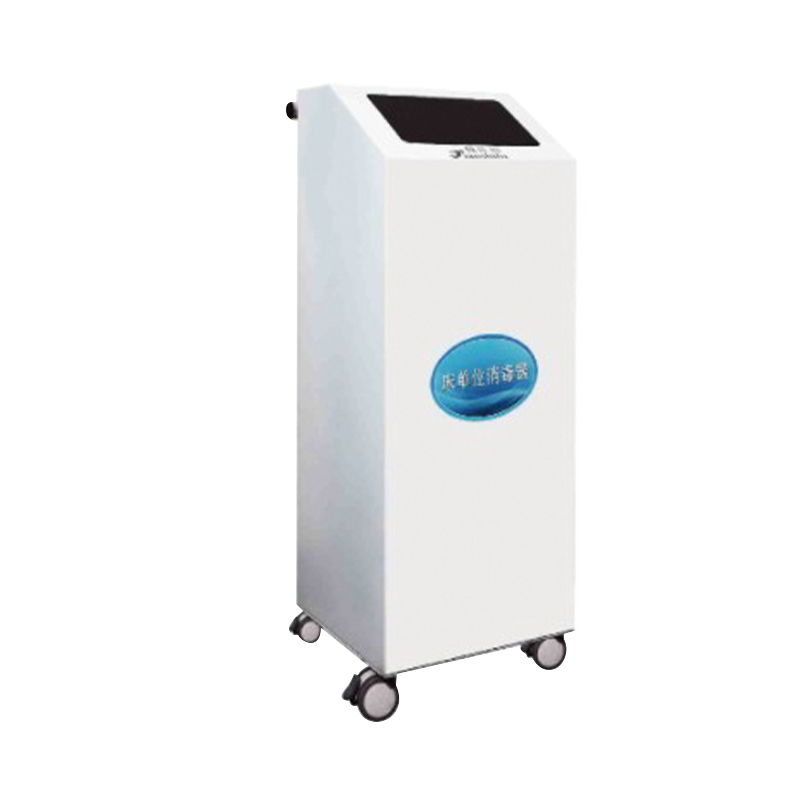
Healthcare administrators frequently ask: "Is ozone safe for immediate room re-entry?" This unit is engineered with an integrated ozone analysis and decomposition system. After the disinfection cycle is complete, the machine actively breaks down the ozone into pure oxygen, leaving zero chemical residue and ensuring the environment is safe for patients and staff immediately following the procedure.
The system is designed for maximum throughput, allowing for the simultaneous disinfection of two beds. This dual-action capability effectively doubles bedding availability, which is critical during peak hospital occupancy or in emergency wards.
| Feature | Technical Specification | Operational Benefit |
|---|---|---|
| Disinfection Medium | High-Density Ozone ($O_3$) | Deep Osmosis into Bedding |
| Capacity | Dual-Output (2 Beds) | Increased Bed Availability |
| Safety System | Ozone Alarming Equipment | Active Machine Protection |
| Post-Cycle State | Auto-Decomposition | Zero Residue & Safe Use |
A standout feature is the intelligent operating system, which allows for fully customizable disinfection durations. Once a protocol is established for a specific ward’s needs, the machine features a memory function that saves the preset time, enabling "one-touch" operation for subsequent cycles and reducing the risk of human error in sterilization protocols.
Standard surface wiping cannot reach the interior of a mattress or the folds of heavy blankets where moisture and bacteria thrive. Ozone’s gaseous state allows it to penetrate every fiber and pore, inactivating microorganisms at the molecular level. This efficient disinfection extends the life of medical mattresses by preventing the mold and odor buildup that often leads to early disposal.
Operating high-density ozone equipment requires rigorous safety standards. This unit is matched with ozone alarming equipment that constantly monitors for leaks or malfunctions. This dual protection safeguards both the medical staff and the machine’s longevity, ensuring that it remains a reliable pillar of the hospital's infection control strategy for years of continuous use.
The Medical Mobile Bed Unit Sterilizer is an essential asset for facilities looking to modernize their sanitation standards. By providing a rapid, residue-free, and deep-penetrating disinfection method, it directly supports the goal of reducing patient recovery times and preventing secondary infections.
Its ability to disinfect two beds simultaneously makes it a high-ROI tool for high-traffic hospitals, while the intelligent interface ensures that sterilization is both convenient and consistent. Investing in ozone-based bed sterilization is a proactive step toward a cleaner, safer, and more efficient healthcare environment.
 We have specialised in medical devices for 32 years.
Contact Us
 No 48 Xiaokan Rd, Shizhuang town, Jiangyin, Jiangsu, China
 sara@jsf-qx.com
 +86-18915253915
 +86-18861287595
+86-18915253915
+86-18861287595
+86-18915253915
Copyright @ Jiangyin Jianshifu Equipment Co.,Ltd.
 Custom Disinfection Equipment Manufacturers
China Disinfection Equipment Factory
Custom Disinfection Equipment Manufacturers
China Disinfection Equipment Factory
The information provided on this website is intended for use only in countries and jurisdictions outside of the People's Republic of China.


 English
  عربى
عربى