By Admin
Content
Surgical operating room lights, commonly called Operating Light systems, are specialized illumination devices engineered to deliver focused, shadow-free, and color-accurate lighting over the surgical field so the operating team can see tissue, vessels, and instruments with maximum clarity. Unlike general room lighting, an Operating Light is built around multiple small light sources arranged to overlap their beams, canceling out shadows cast by the surgeon's head, hands, or instruments during a procedure. This design principle, combined with adjustable color temperature and high color rendering, allows medical staff to distinguish subtle tissue color differences that are critical for safe, accurate surgery.
Modern Operating Light units are almost universally LED-based rather than halogen, since LED sources generate far less heat at the surgical site, consume less energy, and last significantly longer before requiring replacement. Whether mounted from the ceiling, wall, or a mobile stand, the core purpose remains the same: to provide a stable, glare-controlled, and uniform field of light exactly where the surgical team needs it.
In surgical operating rooms, operating lights are one of the most influential pieces of equipment on the surgeon's field of vision, operational accuracy, and ultimately patient safety. Poor illumination can obscure bleeding points, make tissue planes harder to identify, and increase eye fatigue during long procedures, all of which raise the risk of intraoperative error.
Together, these factors explain why a compliant Operating Light is treated as essential clinical infrastructure rather than a simple lighting fixture, since inadequate illumination can compromise both surgical precision and staff comfort during extended operations.
When comparing Operating Light models, hospitals and surgical centers typically evaluate a consistent set of technical parameters. Understanding what each specification means helps procurement teams match the light to the type of surgery being performed.
| Specification | Typical Range | Why It Matters |
|---|---|---|
| Illuminance (Ec) | 40,000 to 160,000 lux | Determines visibility of fine anatomical detail |
| Color Rendering Index | 90 to 96 Ra | Ensures accurate tissue and blood color perception |
| Color Temperature | 3,500K to 5,000K, adjustable | Balances warmth and clarity for different tissue types |
| Light Field Diameter | 180 to 300 mm | Determines coverage area over the surgical site |
| Shadow Dilution Ratio | Expressed as D10 percentage | Measures how well shadows are filled by multiple beams |
Reference ranges above reflect commonly published industry parameters for LED surgical lighting and should always be verified against the datasheet of the specific Operating Light model under consideration.
Most surgical facilities transitioning to modern equipment now choose an LED Operating Light over legacy halogen fixtures. The shift is driven by measurable differences in heat output, energy consumption, lamp lifespan, and overall lighting stability.
Because LED light sources produce minimal infrared radiation, an LED Operating Light can be positioned closer to the surgical field without adding uncomfortable heat, which is particularly valuable during lengthy or complex procedures. This is one of the primary reasons LED technology has become the standard configuration in newly built or renovated operating rooms.
Why can't one lamp fit all surgical scenarios? Operating rooms vary widely in ceiling height, procedure duration, and mobility needs, which is why Operating Light systems are offered in several mounting configurations rather than a single universal design.
| Configuration | Mounting Style | Best Suited For |
|---|---|---|
| Ceiling-mounted dual-head light | Fixed ceiling track | Major surgery suites with long, complex procedures |
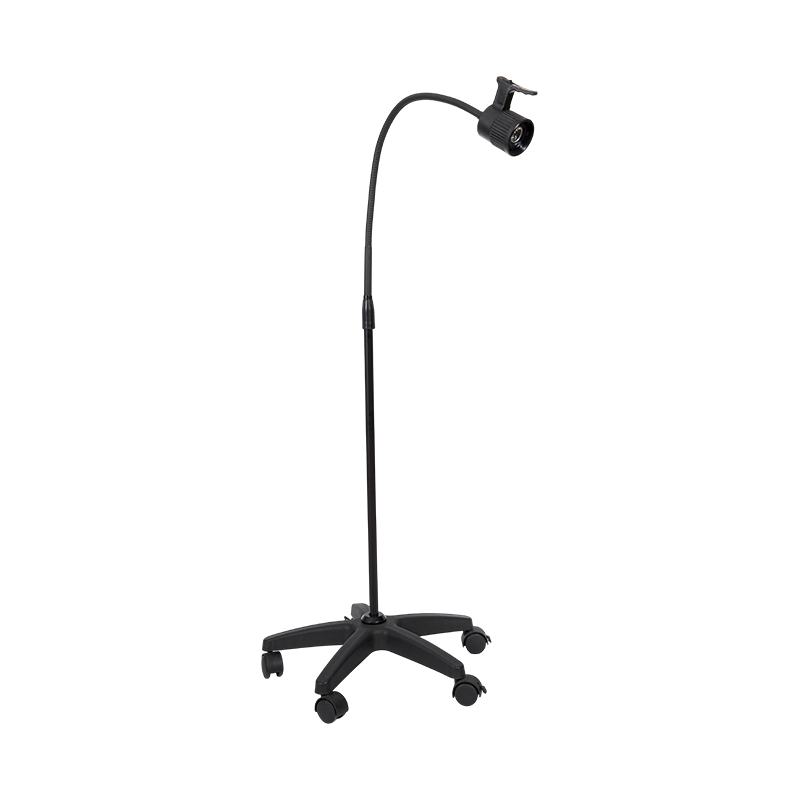
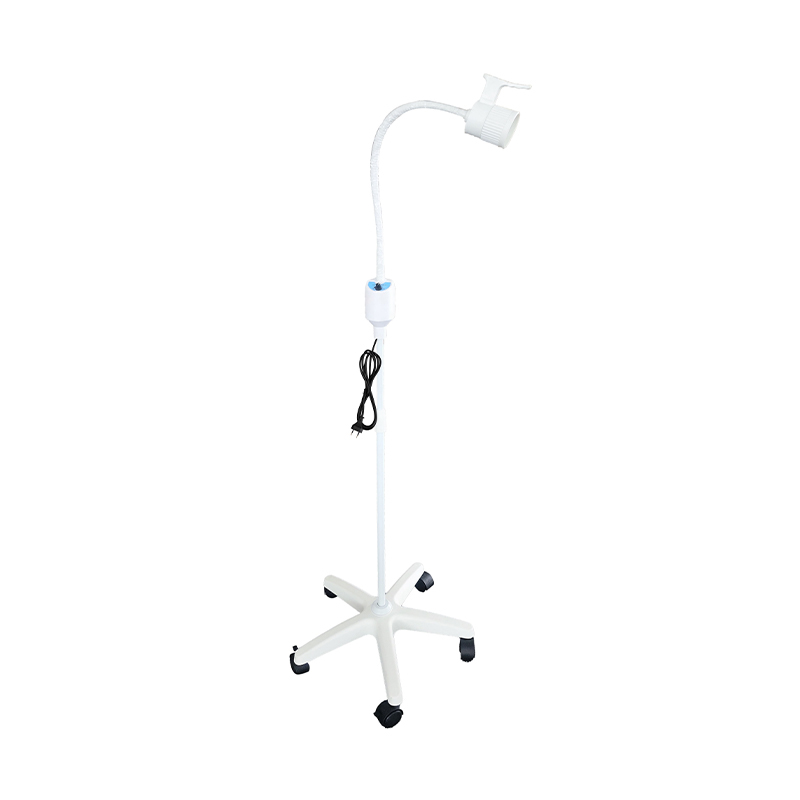
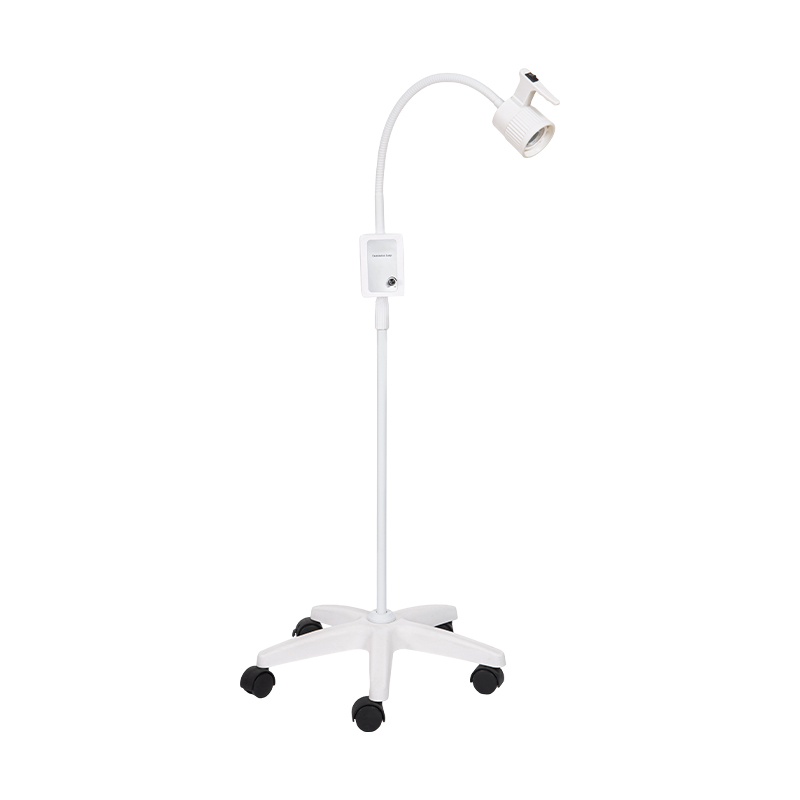
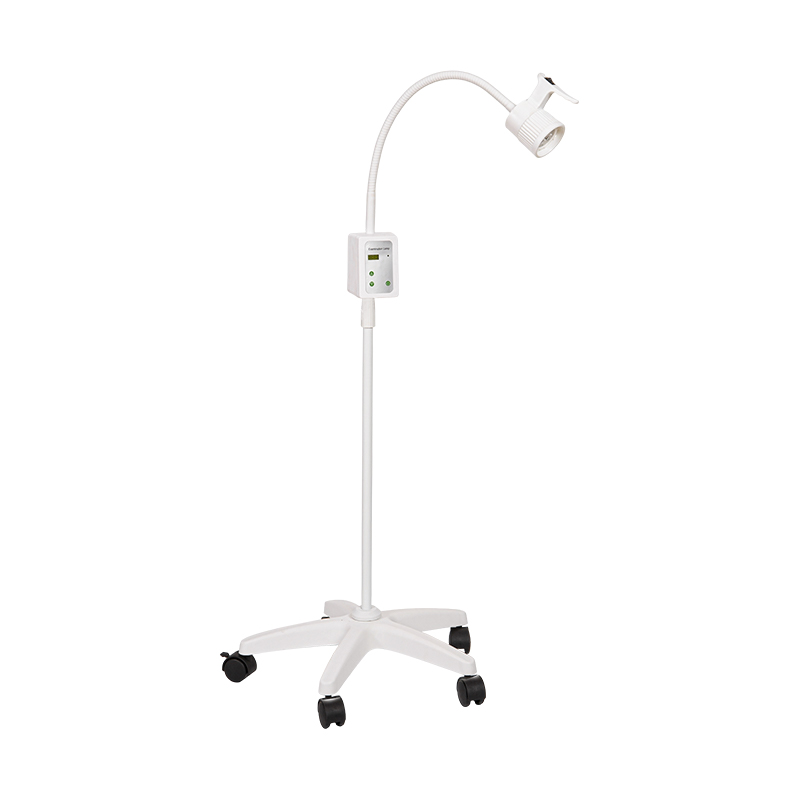
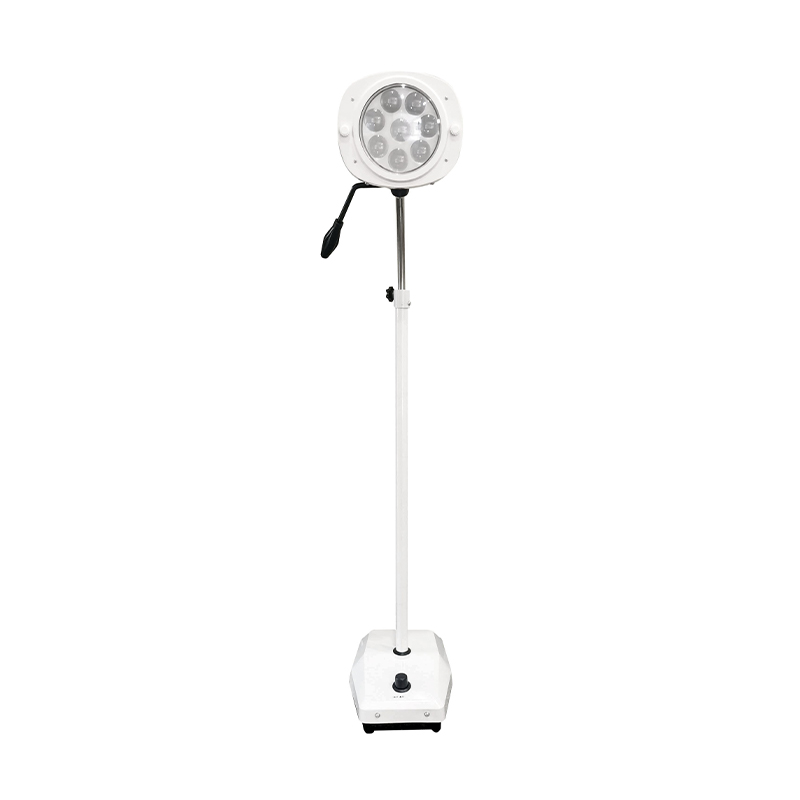
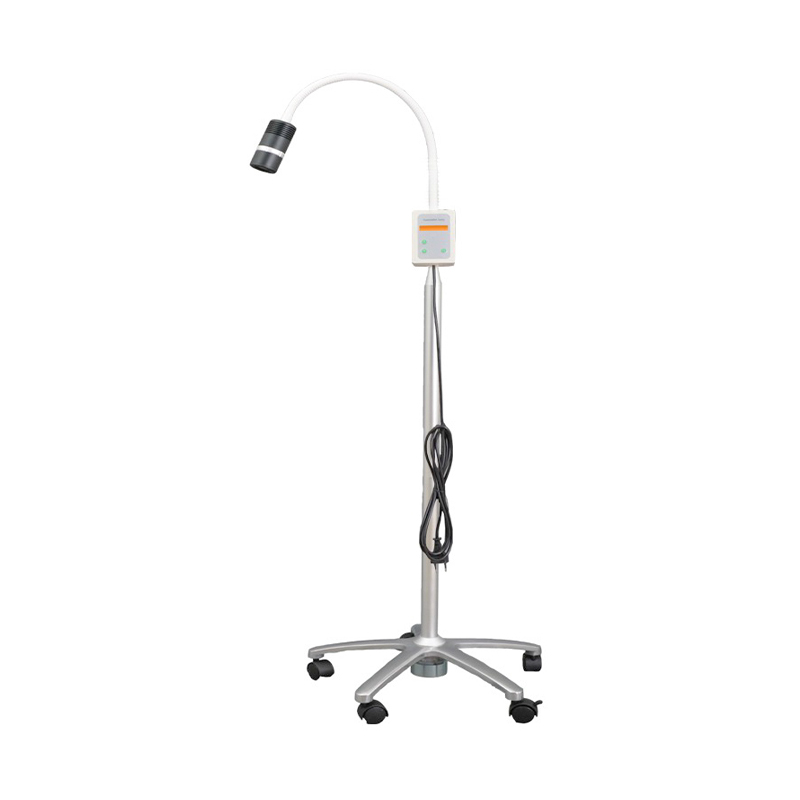
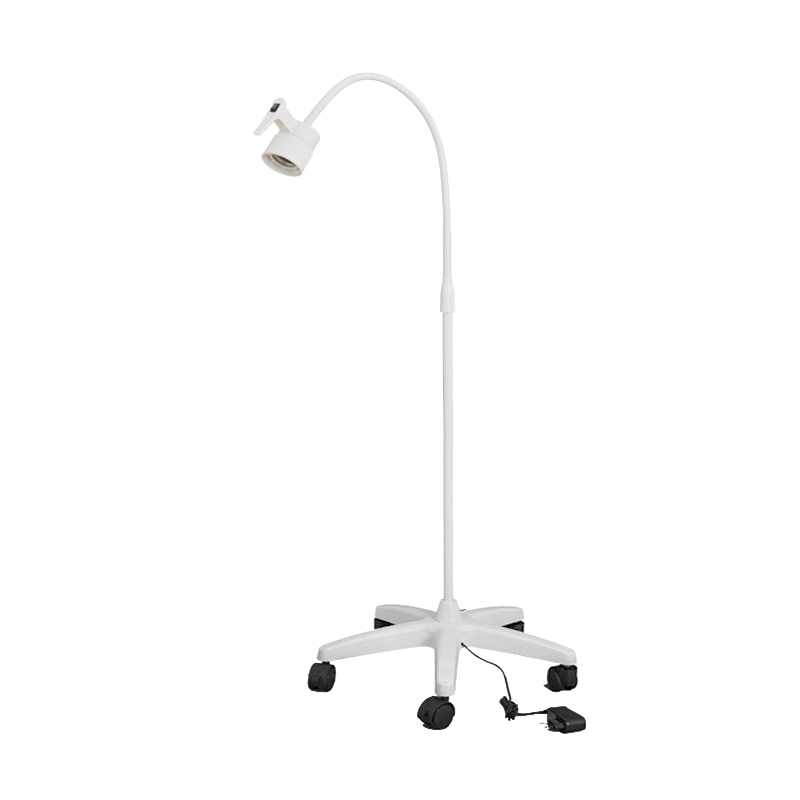
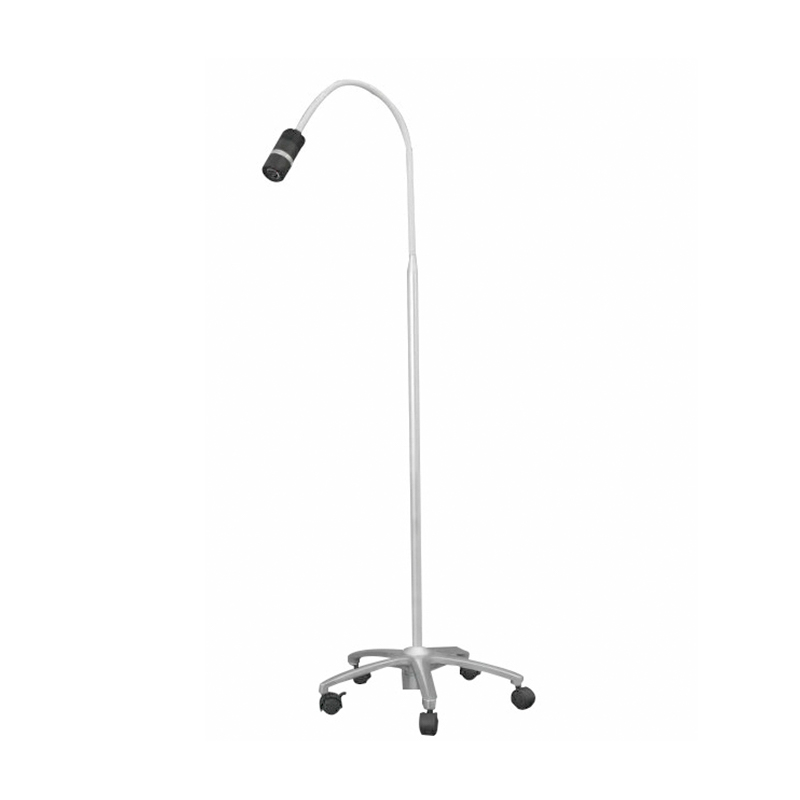
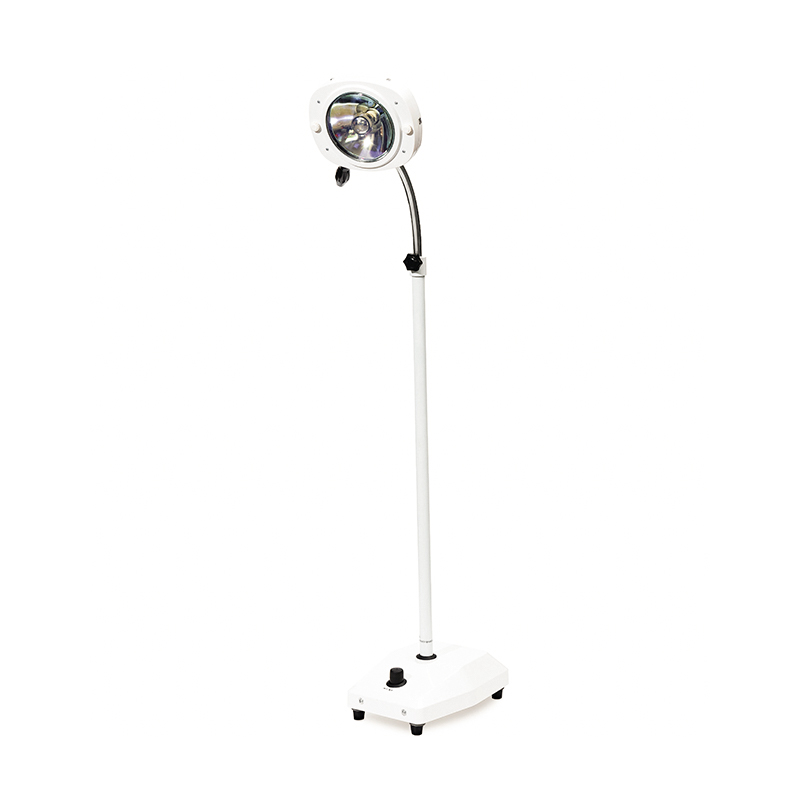
| Mobile floor-stand light | Universal wheel base | Minor outpatient surgery, cosmetic procedures, temporary rooms |
| Wall-mounted single-head light | Wall bracket arm | Small clinics or exam rooms with limited ceiling space |
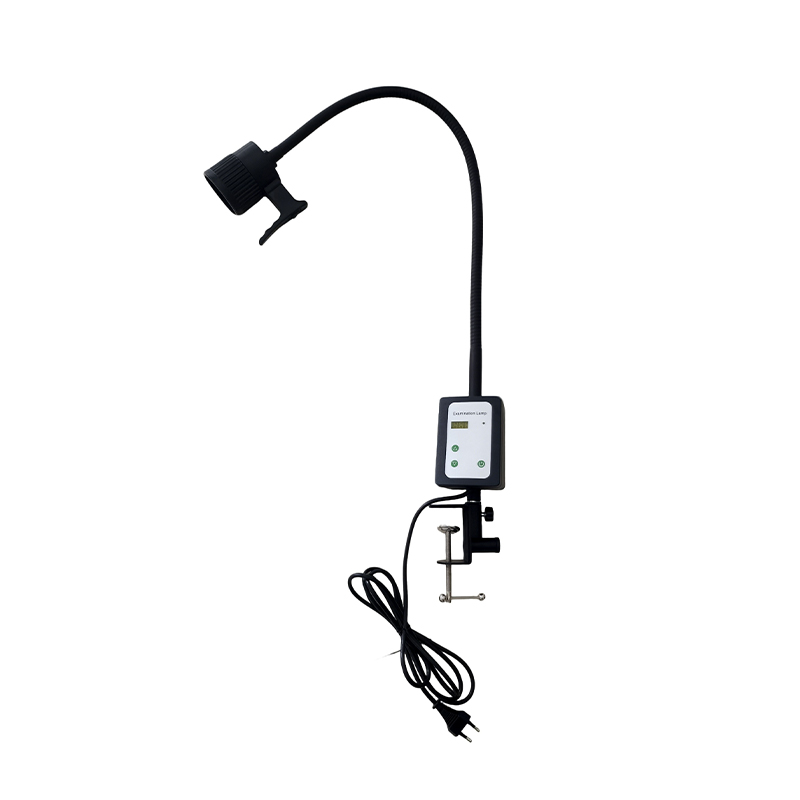
| Track-mounted clip-on light | Clamped to table or tower rail | Bedside procedures and space-constrained settings |
Mobile Operating Light units, in particular, offer flexible movement and precise positioning: a universal wheel base facilitates cross-regional movement between operating rooms, while a flexible lamp arm joint supports multi-dimensional adjustment to accurately illuminate the surgical site without interfering with the operating line.
The core advantage of a modern Operating Light stems from combining a multi-point light source effect with optical optimization technology. Rather than relying on a single strong bulb, the light head contains dozens of individual LED emitters, each angled slightly differently so their beams converge on the surgical field from multiple directions simultaneously.
This shadow-dilution capability is what separates a purpose-built Operating Light from a standard bright lamp, since it maintains consistent visibility even as hands, heads, and instruments continuously move through the light path during an active procedure.
Choosing a compliant Operating Light involves more than comparing brightness numbers. Facilities should confirm the unit meets relevant medical device safety and electromagnetic compatibility standards, and should establish a maintenance routine to preserve performance over years of continuous use.
As an enterprise deeply engaged in the medical equipment field since 1993, Jiangyin Jianshifu Equipment Co., Ltd. includes Operating Light systems in its product line alongside examination lamps and plasma air sterilizers, supporting hospitals and clinics that need dependable, shadow-free lighting for surgical and procedural settings. With a modernized production line and dedicated testing equipment, the company focuses on delivering consistent optical performance across its lighting range for facilities with varying space and procedure requirements.
Selecting the correct Operating Light configuration depends on the type of surgery performed most frequently, the physical layout of the room, and how often the equipment needs to move between spaces. A facility performing lengthy, deep-cavity procedures will prioritize different specifications than a clinic handling brief outpatient interventions.
A well-matched Operating Light delivers stable, energy-efficient, shadow-free illumination that supports surgical precision while reducing eye strain and maintenance demands over years of daily use. Working with a manufacturer that offers transparent technical documentation and configuration options allows hospitals and clinics to align lighting performance precisely with their procedural needs rather than defaulting to a generic, one-size-fits-all fixture.
 We have specialised in medical devices for 32 years.
Contact Us
 No 48 Xiaokan Rd, Shizhuang town, Jiangyin, Jiangsu, China
 sara@jsf-qx.com
 +86-18915253915
 +86-18861287595
+86-18915253915
+86-18861287595
+86-18915253915
Copyright @ Jiangyin Jianshifu Equipment Co.,Ltd.
 Custom Disinfection Equipment Manufacturers
China Disinfection Equipment Factory
Custom Disinfection Equipment Manufacturers
China Disinfection Equipment Factory
The information provided on this website is intended for use only in countries and jurisdictions outside of the People's Republic of China.


 English
  عربى
عربى