By Admin
Content
The primary function of an operating light is to provide intense, shadow-free illumination directly on the surgical site, enabling surgeons and medical staff to visualize anatomical structures with maximum clarity during procedures. Modern surgical lights typically deliver illuminance levels ranging from 40,000 to 160,000 lux at a standard working distance of 1 meter, ensuring that even the smallest tissue variations, blood vessels, and anatomical landmarks remain clearly visible throughout the operation.
Beyond raw brightness, operating lights are engineered to produce a high Color Rendering Index (CRI) of 90 or above, which ensures tissues appear in their true natural colors rather than distorted hues. This color accuracy is critical for distinguishing between healthy and compromised tissues, identifying bleeding points, and making precise incisions. Additionally, advanced shadow dilution technology minimizes contrast shadows caused by the surgeon's head or hands, while preserving beneficial contour shadows that help surgeons perceive tissue depth and texture.
The terms "operating light" and "surgical light" are often used interchangeably in medical settings, but they can carry subtle distinctions depending on context. In most clinical environments, both refer to the same category of specialized medical lighting fixtures designed for use in operating rooms. However, when a distinction is made, it typically relates to scope, intensity, and application specificity.
An operating light generally refers to the comprehensive lighting system within an operating room, which may include both the primary surgical light focused on the patient and the broader room illumination that allows staff to move safely and access instruments. Operating lights encompass the entire lighting infrastructure of the surgical suite.
A surgical light, by contrast, specifically denotes the high-intensity, focused light head positioned directly above the surgical field. Surgical lights are characterized by their ability to provide concentrated, adjustable illumination with precise control over intensity, color temperature (typically 4,000K to 5,000K), and beam focus. They are the primary visual tool upon which the surgeon depends for procedural accuracy.
Surgical lights typically demand higher performance standards than general operating room lighting. While room lighting might provide 500-1,000 lux for ambient visibility, surgical lights must achieve illuminance levels exceeding 100,000 lux with minimal heat emission and superior shadow management. Surgical lights also feature adjustable arms, sterile handles, and redundant light sources to ensure continuous operation even if one LED module fails.
Operating lights are essential fixtures in any environment where invasive or precision medical procedures are performed. Their suitability extends across a wide range of clinical settings, each with specific lighting requirements based on procedure complexity and duration.
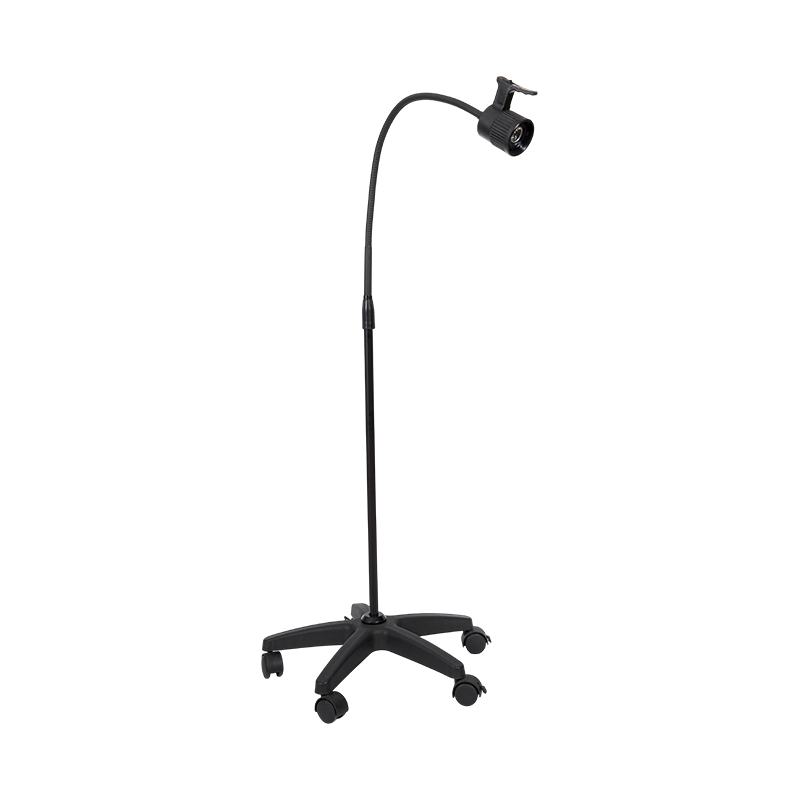
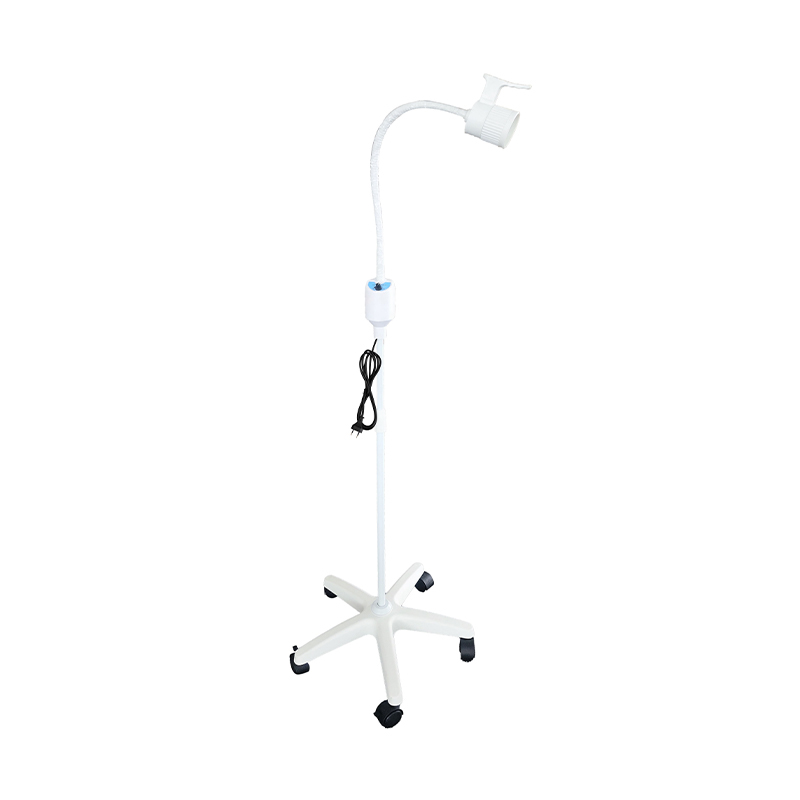
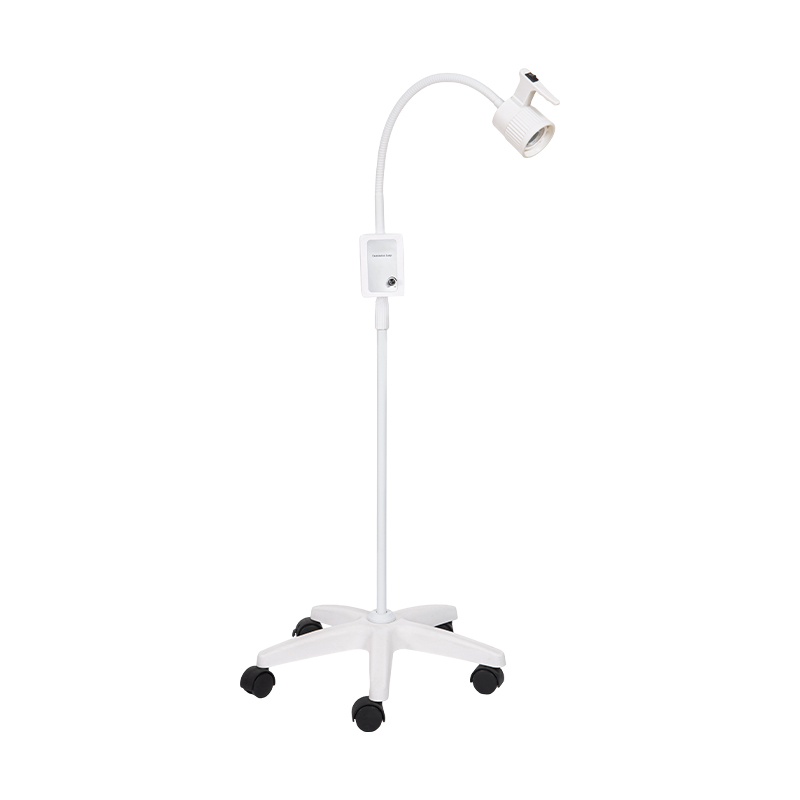
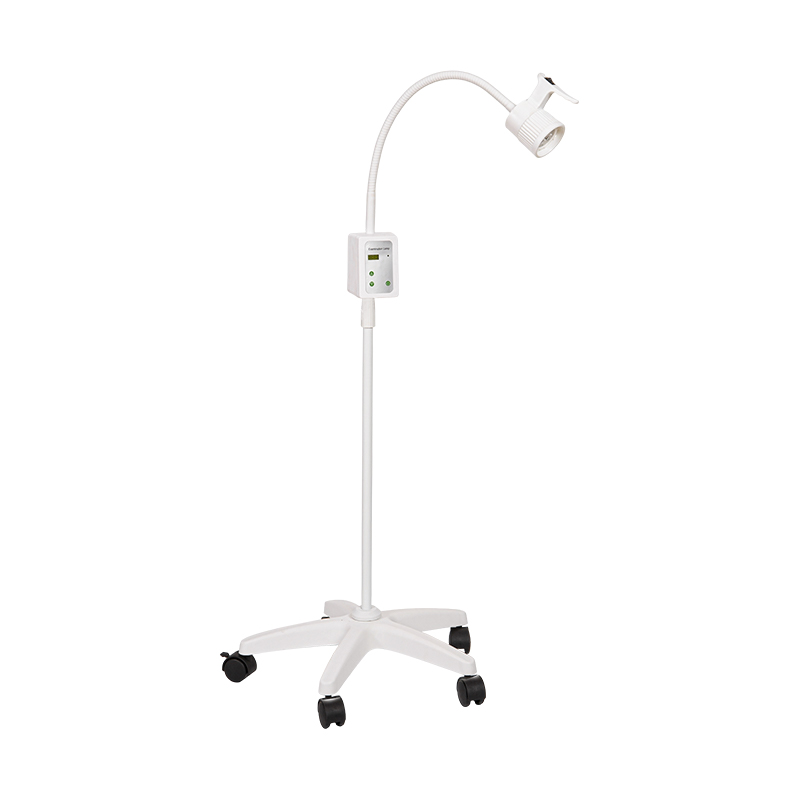
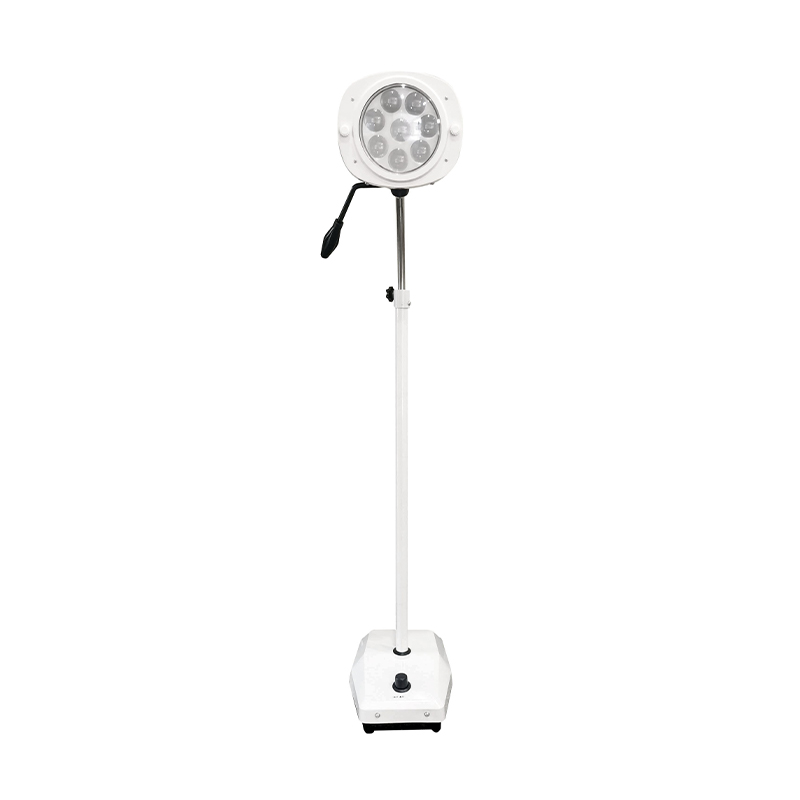
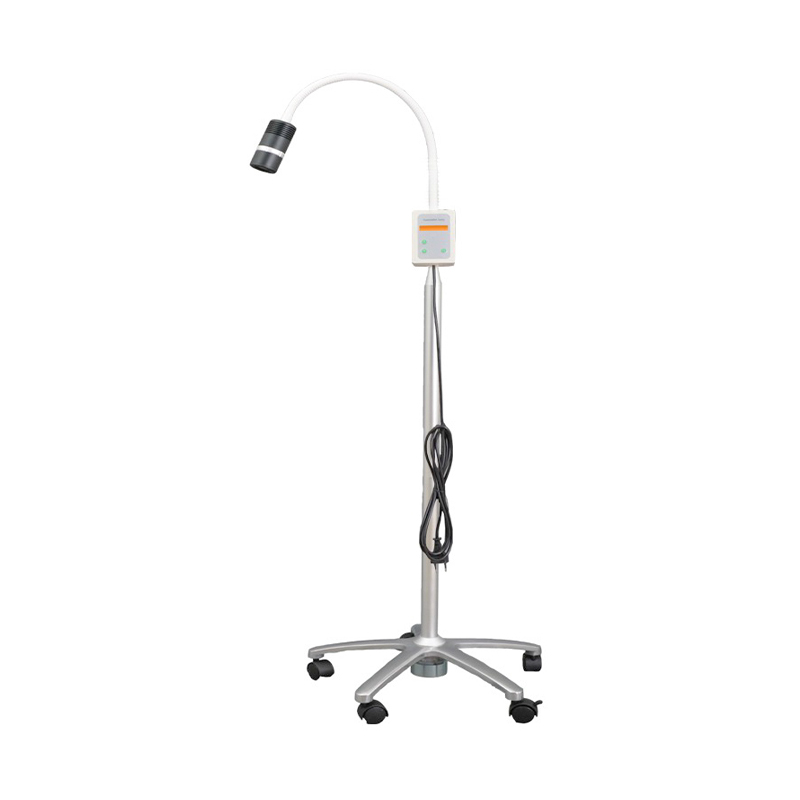
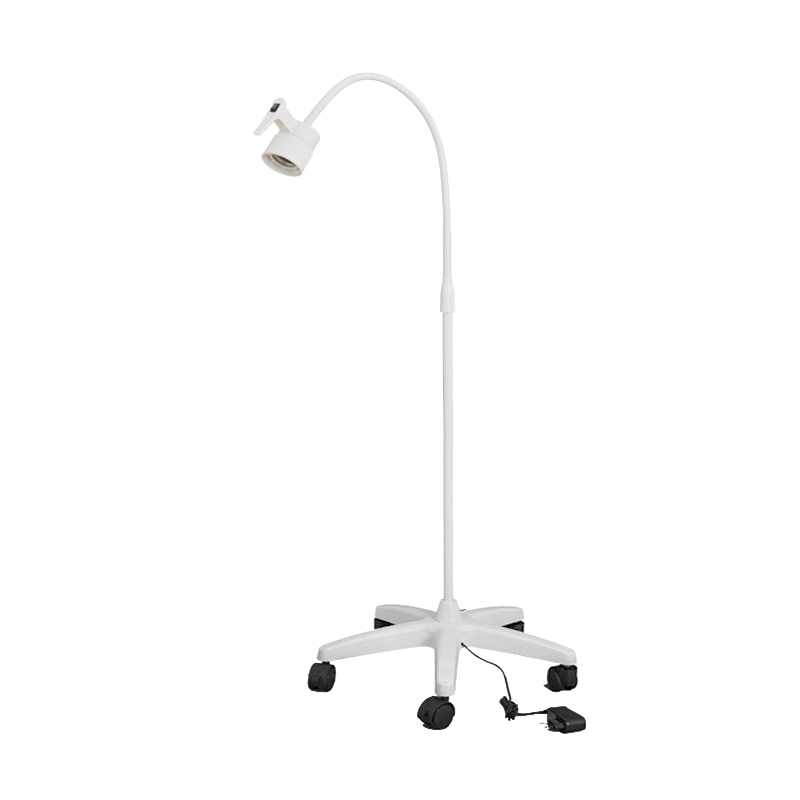
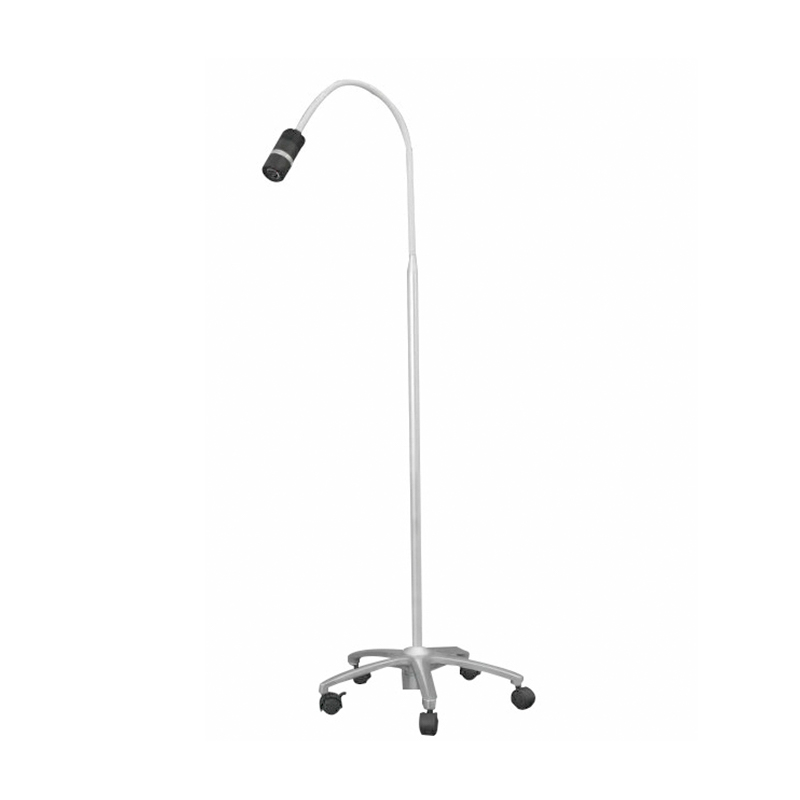
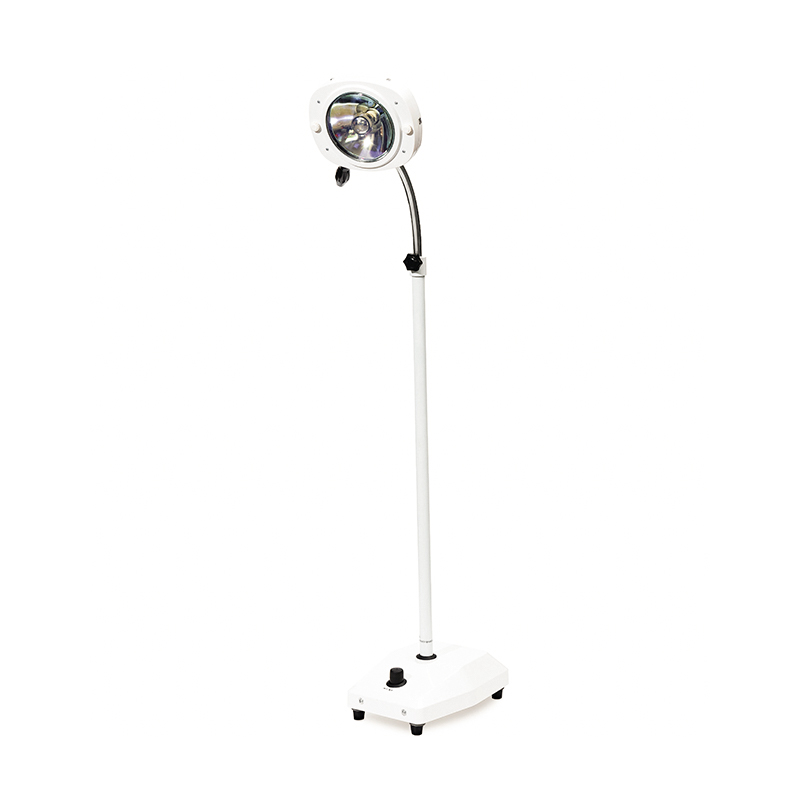
Beyond traditional operating theaters, operating lights are also suitable for outpatient surgical centers, dental implant clinics, veterinary operating rooms, and military field hospitals. Mobile operating lights are particularly valuable in temporary or resource-limited environments where ceiling mounting is impractical. In ambulatory surgical centers, compact LED operating lights provide sufficient illumination for procedures lasting under two hours while reducing energy consumption and heat generation.
Operating lights are categorized primarily by their mounting configuration, light head design, and underlying technology. Understanding these types helps healthcare facilities select systems that match their spatial constraints, surgical caseload, and budget.
The two dominant technologies are LED (Light Emitting Diode) and traditional halogen/xenon systems. LED technology has become the unequivocal standard for new installations due to its clinical and operational advantages, while halogen systems remain in use primarily in older facilities or budget-constrained settings.
The transition from traditional halogen and xenon surgical lights to LED technology represents one of the most significant advancements in operating room equipment. The differences between these systems span clinical performance, operational costs, patient safety, and environmental impact.
| Feature | LED Surgical Lights | Traditional (Halogen/Xenon) Lights |
|---|---|---|
| Lifespan | 40,000–60,000 hours | 1,000–4,000 hours |
| Energy Consumption | 40–80W per dome | 150–500W per dome |
| Heat Output at Surgical Field | 30–50 mW/cm² | 120–180 mW/cm² |
| Color Rendering Index (CRI) | 90+ (excellent) | 80–85 (good) |
| Color Temperature | 4,000K–5,000K adjustable | ~4,000K fixed |
| Energy Efficiency | 80–90% converts to light | 10–15% converts to light |
| Maintenance Requirements | Minimal | Frequent bulb replacement |
| Initial Cost | Higher | Lower |
The most significant clinical advantage of LED surgical lights is their minimal heat emission. Traditional halogen lights convert 60-70% of electrical energy into infrared radiation, raising the surgical field temperature to 70-90°C and creating a genuine risk of thermal injury to exposed tissues and desiccation of the operative site. In contrast, LED lights emit negligible infrared radiation, maintaining comfortable conditions for both patient and surgical team throughout procedures lasting 6 hours or more.
LED systems also provide consistent light quality throughout their lifespan. Traditional bulbs experience gradual dimming and color shift as they age, potentially compromising surgical visibility. LED arrays maintain stable intensity and color temperature for their entire operational life, ensuring that the illumination on procedure day 3,000 matches the illumination on day one.
From a total cost of ownership perspective, LED surgical lights deliver substantial savings despite higher upfront costs. A 200-bed hospital with six operating theaters can achieve 10-year energy savings of approximately ₹269,500 (or equivalent currency) by switching from halogen to LED systems. Additionally, the elimination of bulb replacements reduces maintenance labor and OR downtime. Environmentally, LEDs contain no hazardous mercury, consume up to 75% less electricity, and generate significantly less waste due to their extended lifespan.
General surgery typically requires 40,000–100,000 lux, while microsurgery, neurosurgery, and cardiac procedures may demand 100,000–160,000 lux for optimal visualization of fine anatomical structures. Minor procedures and examinations can be adequately performed with 10,000–30,000 lux.
Shadow dilution is achieved through multi-point LED arrays or dual/triple light head configurations. When the surgeon's head or hands block one light source, other sources from different angles fill the shadowed area. This is quantified as a percentage—the higher the shadow dilution percentage, the less obstruction the surgeon experiences.
Adjustable color temperature (typically 4,000K to 5,000K) allows surgeons to optimize visibility for specific procedures. Warmer temperatures around 4,000K reduce eye strain during long operations, while cooler daylight temperatures around 5,000K enhance contrast for procedures requiring fine tissue differentiation. Some advanced systems even offer specialized modes for endoscopic or open surgery.
Modern operating lights should incorporate redundant LED modules so that if one module fails, the remaining modules continue providing sufficient illumination. Additionally, battery backup systems are essential for maintaining light during power outages. Many facilities also install dual light heads so that if one entire unit fails, the second can be immediately repositioned over the surgical field.
LED operating lights require minimal maintenance compared to traditional systems. Annual professional calibration is recommended to verify illuminance levels, color temperature accuracy, and arm positioning stability. Sterilizable handles should be replaced or autoclaved according to hospital infection control protocols. Unlike halogen systems, LED lights do not require regular bulb replacement, significantly reducing maintenance schedules.
Yes, modern LED operating lights increasingly feature integration with hospital lighting control systems, allowing centralized adjustment of intensity and color temperature. Some advanced models include built-in cameras for surgical recording and teaching, as well as sensors for ambient light compensation. Integration with the operating room's building management system can also optimize energy usage by automatically dimming lights when the room is unoccupied.
 We have specialised in medical devices for 32 years.
Contact Us
 No 48 Xiaokan Rd, Shizhuang town, Jiangyin, Jiangsu, China
 sara@jsf-qx.com
 +86-18915253915
 +86-18861287595
+86-18915253915
+86-18861287595
+86-18915253915
Copyright @ Jiangyin Jianshifu Equipment Co.,Ltd.
 Custom Disinfection Equipment Manufacturers
China Disinfection Equipment Factory
Custom Disinfection Equipment Manufacturers
China Disinfection Equipment Factory
The information provided on this website is intended for use only in countries and jurisdictions outside of the People's Republic of China.


 English
  عربى
عربى