By Admin
Content
A grandmother in Manila warms a small bottle of aceite de manzanilla between her palms, presses her hands to a fussy baby's belly, and the crying usually eases within a few minutes. The same scene plays out in kitchens and clinic rooms across Latin America and Southeast Asia, and it explains why the oil outsells almost every other herbal preparation on the shelf.
The oil earns its place, but for a narrower list of jobs than the label suggests. It is genuinely useful for colic massage, chest rubs during a cold, stiff shoulders and a calmer bedtime routine. It is the wrong choice for broken skin, a fever, a suspected ear infection, or any infant under three months. Most of the disappointment people blame on "chamomile not working" comes down to dilution, technique, or a bottle that contained very little chamomile to begin with.
Chamomile oil is an infusion of dried flowers in a carrier oil, usually sunflower, olive or sweet almond. Two species dominate: Matricaria chamomilla, the German chamomile valued for its chamazulene content, and Chamaemelum nobile, Roman chamomile, which is sweeter and considerably more expensive. The Spanish name manzanilla means "little apple", a reference to the scent of the fresh flower rather than to anything in the bottle.
Five uses survive scrutiny. The evidence behind them is uneven — much of it comes from chamomile tea and steam rather than from topical oil — so treat the list as practical guidance rather than prescription.
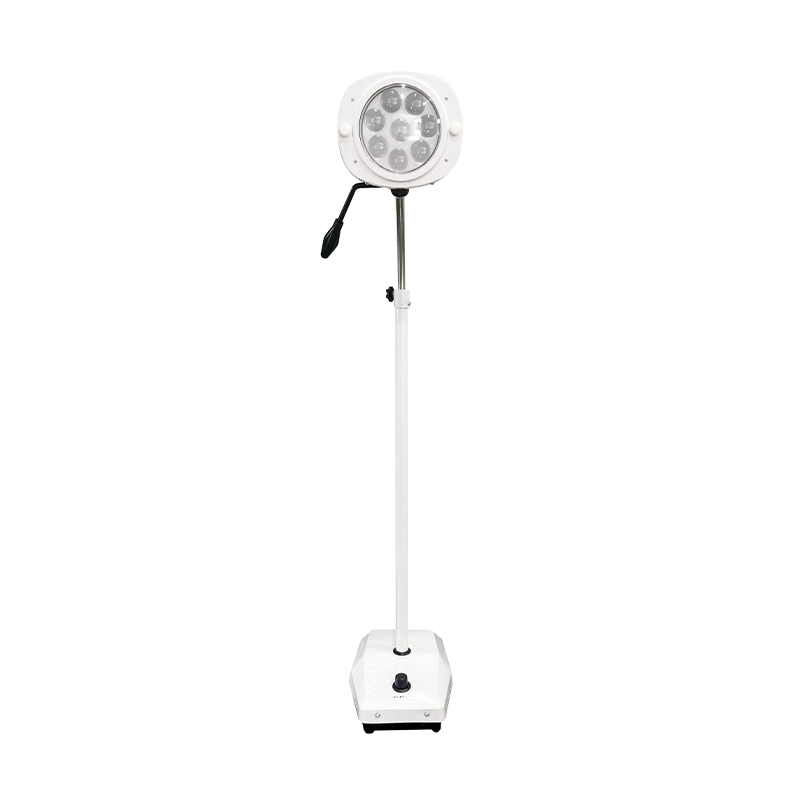
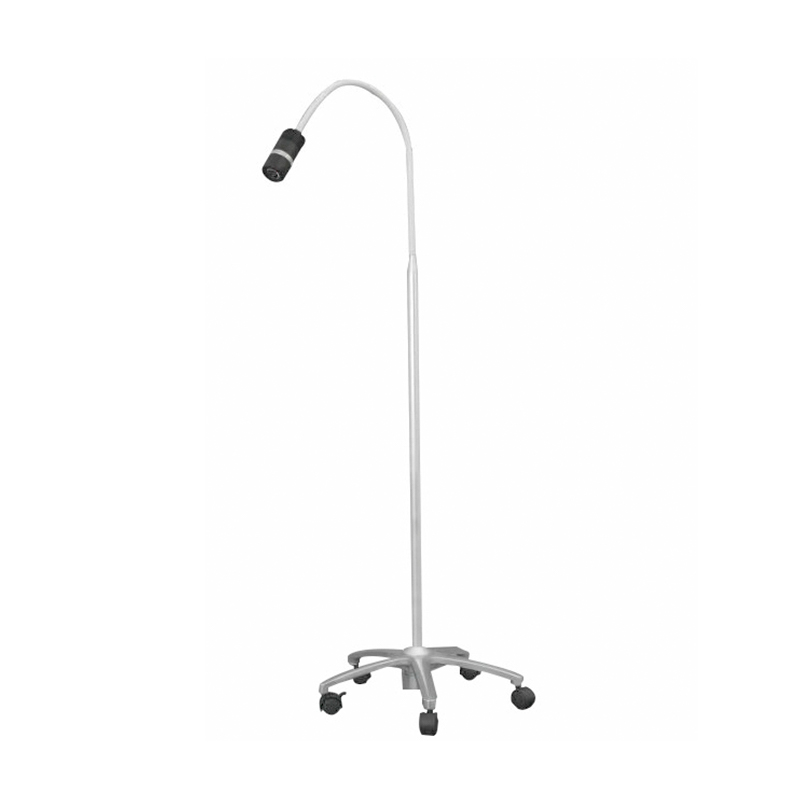
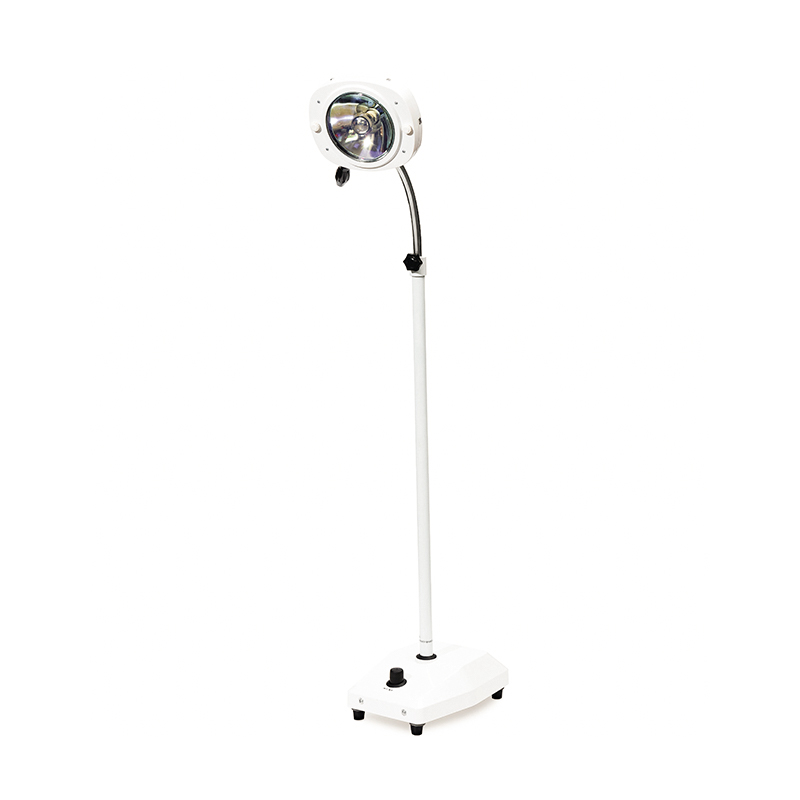
In a treatment room the oil is usually paired with dry heat, which is why massage therapists keep a small infrared unit on the trolley. Fifteen minutes at a comfortable distance loosens the upper back before the blend goes on, and the oil then spreads over a larger area with less rubbing.
 Portable Table Infrared Therapy Lamp JSFHW-01A compact 150 W infrared lamp with adjustable heat and timer settings, suited to warming the upper back before massage oil is applied.View Product →
Dilution is where most household mistakes happen. A drop taken straight from the bottle is close to 100% concentration, and a baby's skin is thinner and absorbs faster than an adult's. One drop in a teaspoon (5 ml) of carrier oil gives roughly 1%; the same drop in 10 ml gives 0.5%.
| Use | Dilution | Age floor | Practical note |
|---|---|---|---|
| Colic massage | 0.5–1% | 3 months | Two to three minutes only |
| Night-time chest rub | 1% | 2 years | Camphor-free; skip the face and neck |
| Adult muscle rub | 2–3% | 12 years | No heat pad on top of the oil |
| Daily body oil | 1–2% | 6 months | Patch test 24 hours ahead |
| Bath or diffuser | 1 drop per 5 ml | Not for infants | Never drip neat oil into bathwater |
A 0.5% blend looks almost like plain oil and that is the point. If the mixture smells strongly of flowers, it is probably too concentrated for a small child.
The sequence below works for a baby with colic or an adult with a stiff neck; only the dilution and the amount of carrier change.
One blend, one job. Mixing chamomile with camphor, menthol or eucalyptus "to make it stronger" is the most common way a safe oil becomes an unsafe one, particularly for a child under two.
These are the situations where the bottle should stay closed, or where the child should be seen by a clinician instead.
Shared bottles are a quieter problem. Oil picks up lint and skin cells from every pair of hands that touches the rim, so decant a week's worth into a small amber bottle and keep the stock out of sunlight. In a clinic room where couches and mats are used back to back, surface hygiene between clients matters as much as the blend; a UV lamp sterilizer trolley is one way to cycle that disinfection without leaving chemical residue on the upholstery.
Price tells you a lot. Chamomile essential oil takes an enormous quantity of flowers for a few millilitres, so a large bottle selling for the price of a sandwich is a blend — usually mineral oil with a fraction of a percent of chamomile for scent. That is not automatically bad, but you should know which of the two you are holding.
| Label term | What it means | What to watch |
|---|---|---|
| Chamomilla recutita flower oil | True German chamomile essential oil | Should sit high in the ingredient list |
| Anthemis nobilis flower oil | Roman chamomile, sweeter and pricier | Often present at only 0.1–0.5% |
| Alcanfor / camphor | Aromatic solid added for cold rubs | Not for children under two |
| Paraffinum liquidum | Mineral carrier oil | Inert, occlusive and cheap |
| Fragrance / perfume | Added scent | Can mask a very low chamomile content |
Storage counts as much as sourcing. Dark glass, a dropper cap, and a cool cupboard rather than the bathroom shelf: cold-pressed carriers turn rancid long before the essential oil does, so smell the bottle before each season and replace it roughly twelve months after opening.
Clinics that teach colic massage — common in the Philippines, Mexico and parts of Spain — get better results when the room supports the demonstration. Three practical details carry most of the weight.
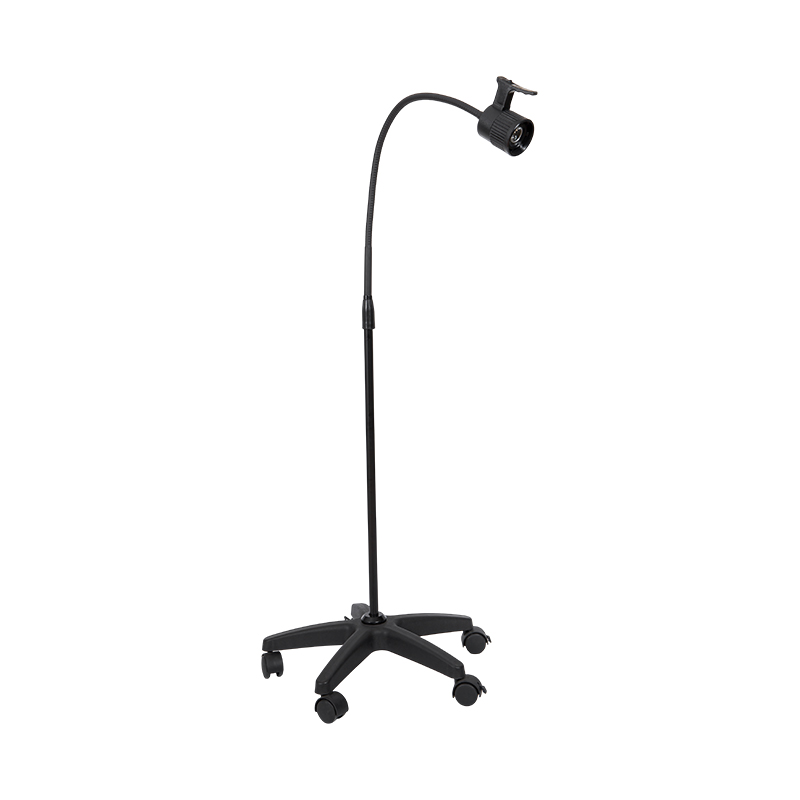
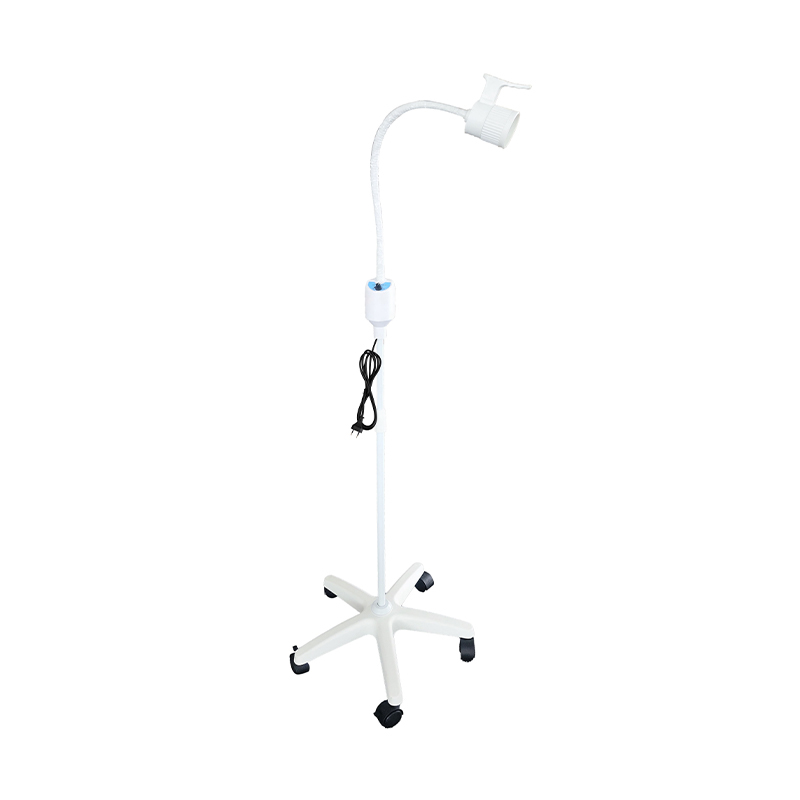
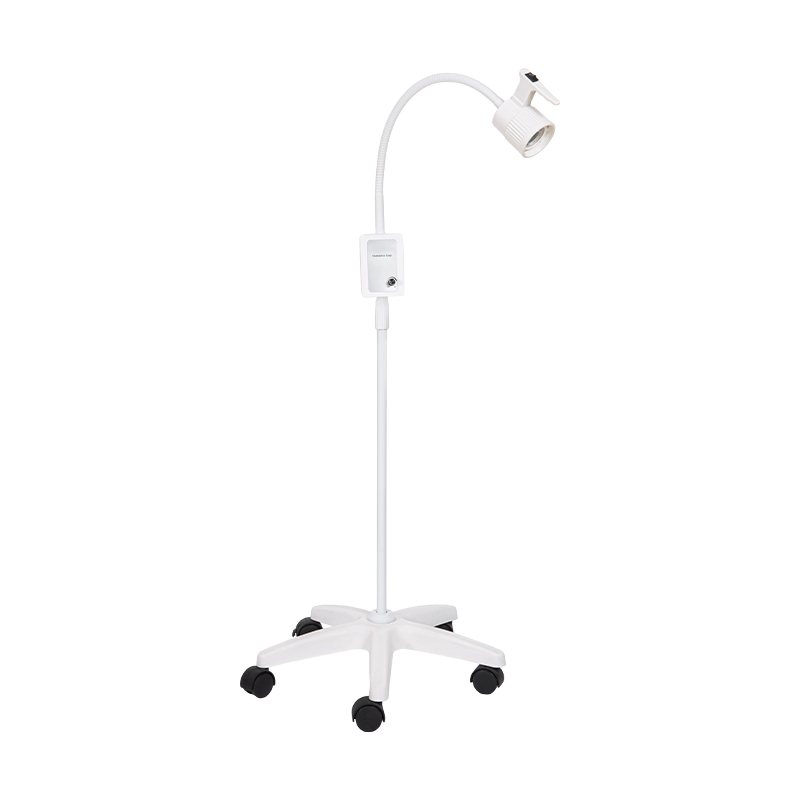
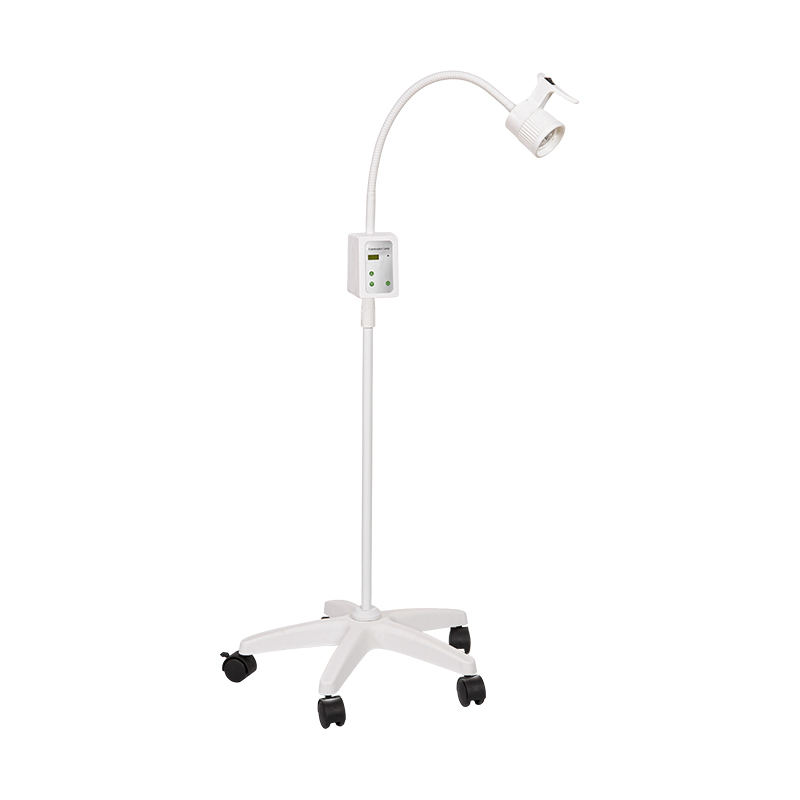
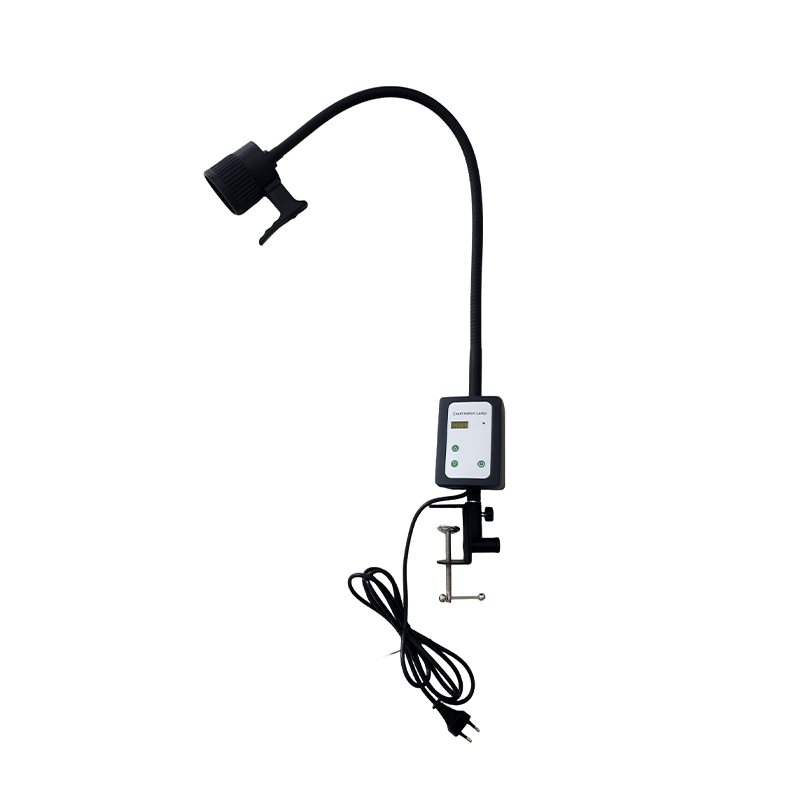
First, light. Judging a baby's skin tone, a touch of jaundice or a nappy rash needs steady white light at the bed rather than a ceiling fixture behind the parent. A clip-on gooseneck lamp at low wattage is enough for the assessment and stays out of the way while the parent practises the strokes.
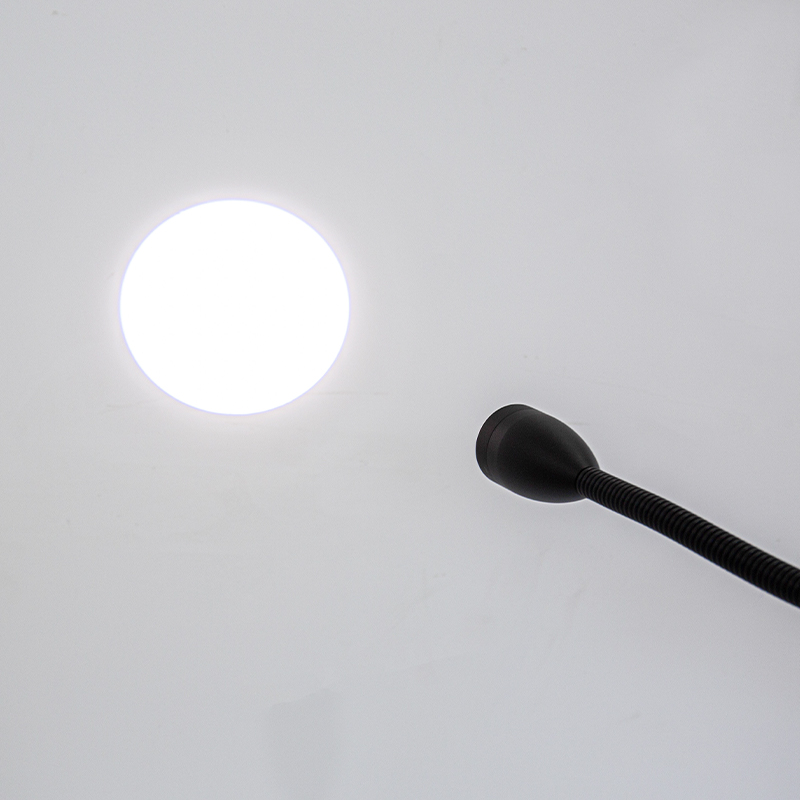 5W LED Clip-On Gooseneck Examination LightA space-saving clip-mounted LED light with a flexible gooseneck, providing bright 5000K examination illumination for bedside assessments and focused procedures.View Product →
Second, the mattress. A massage class puts several babies on the same padded surface in one morning, and body fluids are part of the job. A mobile unit that treats the mattress between families removes the pressure to rotate a limited stock of covers; the operating steps are set out in this guide to bed unit sterilizer operation.
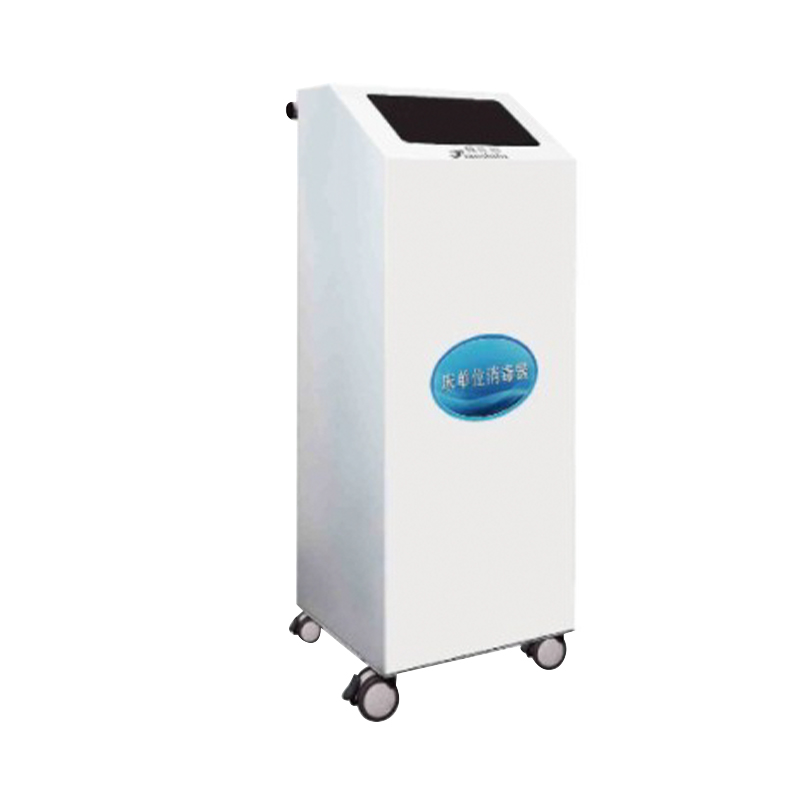 Mobile Ozone Bed Unit Sterilizer JSF-CX-01A mobile ozone-based sterilizer for bedding that can treat two beds at once, with programmable timing and residual-ozone safety alarms.View Product →
Third, dispensing. A lockable cupboard, small amber bottles and a printed dilution chart on the wall beat any amount of verbal instruction. Staff who can point to "0.5% under six months, 1% after" make noticeably fewer mistakes than staff working from memory.
Keep the bottle for what it does well: two unhurried minutes on a colicky belly, a chest rub on a cold night, a stiff shoulder at the end of a long week. Keep it away from broken skin, from feverish children and from any baby still in the first three months. Buy from a shop that can tell you the concentration, dilute it yourself when the label is vague, and the oil will behave the way generations of grandmothers assumed it did — reliably, and without surprises.
 We have specialised in medical devices for 32 years.
Contact Us
 No 48 Xiaokan Rd, Shizhuang town, Jiangyin, Jiangsu, China
 sara@jsf-qx.com
 +86-18915253915
 +86-18861287595
+86-18915253915
Copyright @ Jiangyin Jianshifu Equipment Co.,Ltd.
 Custom Disinfection Equipment Manufacturers
China Disinfection Equipment Factory
The information provided on this website is intended for use only in countries and jurisdictions outside of the People's Republic of China.


 English
 عربى