By Admin
Content
A three-bay emergency room in a 200-bed hospital holds fewer than 40 distinct pieces of equipment, yet those pieces decide whether a patient with a blocked airway is stabilised in two minutes or twelve. The difference is rarely clinical skill alone — it is whether the suction unit holds vacuum, whether the examination light actually illuminates the field, and whether a bay can be turned over before the next ambulance arrives.
If you are specifying, budgeting or buying ER room equipment, the priority order is simple: airway and suction first, lighting second, disinfection third, and everything else as configuration. These three groups must work on the first attempt of every shift, and they fail in ways a purchase order never reveals.
It is not one product family. Everything inside the patient-care footprint of an emergency department splits into five functional groups, and keeping them separate matters: the first three are device purchases where specification decides whether the equipment works, while the last two are mostly layout and logistics decisions.
Most specification failures come from mapping equipment to a department rather than to a zone. A resuscitation bay, a triage desk and a minor-procedure room place very different demands on the same device category.
| ER zone | Priority equipment | Specification to confirm | Frequent oversight |
|---|---|---|---|
| Resuscitation bay | Suction unit, shadowless light | Vacuum at point of use, light field depth, battery runtime | Backup suction assumed, not purchased |
| Triage and assessment | Clip-on or mobile examination lamp | Light output, heat, mounting method | Lamp that clips onto no available rail |
| Minor procedure room | Mobile surgical light, suction, trolley | Shadow-free coverage, easy-clean housing | Non-sealed fixture in a wash-down room |
| Isolation and observation | Bed unit sterilizer, air sterilizer | Cycle time, room volume capacity, ozone-free operation | Air sterilizer undersized for the room |
| Utility and equipment room | UV trolley, water sterilizer, storage | Lamp power and tube count, replacement intervals | No spare tubes kept on site |
Two patterns stand out. Mobile equipment appears in nearly every zone, so casters, cable length and battery life deserve as much attention as clinical performance. And isolation zones consume more disinfection capacity than procedure rooms, because turnover happens continuously rather than after a scheduled list.
Suction is assumed rather than specified. A wall outlet with a regulator handles routine airway clearance, but it stops being enough the moment a patient arrives on a trolley in a corridor, or when the central vacuum line is under maintenance. Every resuscitation bay therefore needs a portable unit as a genuine backup, not a shared device three rooms away.
Four numbers decide whether a portable electric suction apparatus is usable in an emergency:
Consumables deserve the same scrutiny as the hardware. Tubing diameter, canister lids and filter part numbers differ between models, and a department that standardises on one suction platform spends far less time hunting for the right lid at three in the morning.
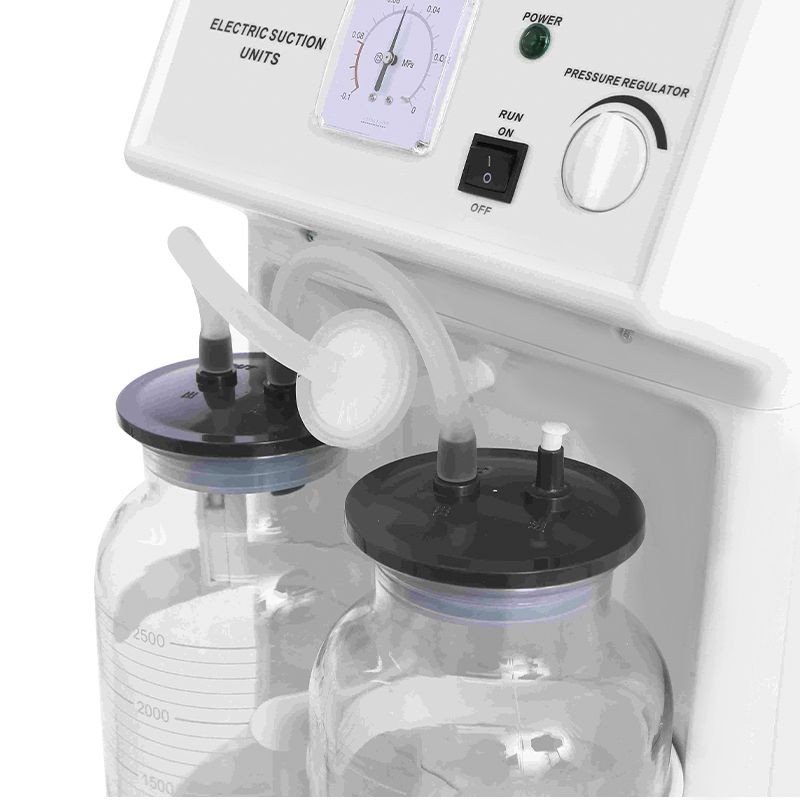 Dual Bottle Electric Suction DeviceProduct Features • Equipped with a trolley, flexible and stable, large-capacity liquid storage bottle and long battery life; • Small and light, easy to carry and trans...View Product →
Emergency departments need two kinds of lighting, and buying one fixture for both usually ends in a compromise at each.
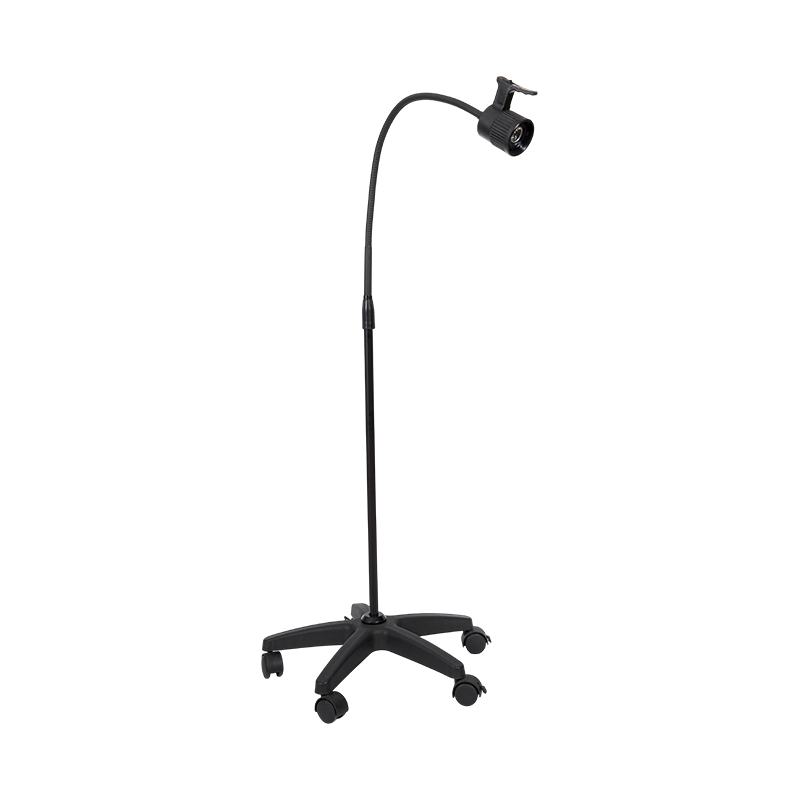
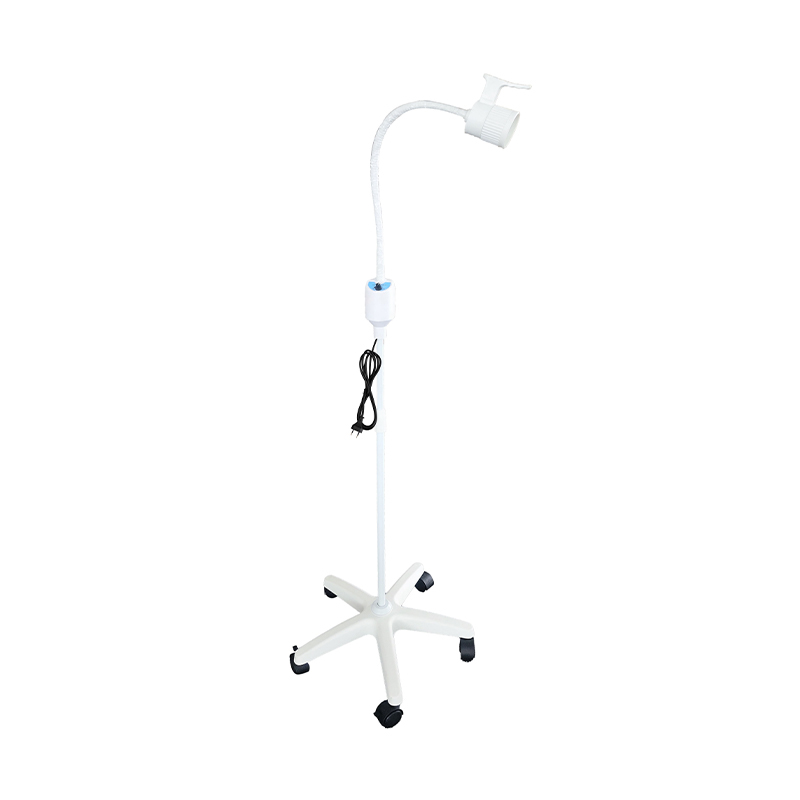
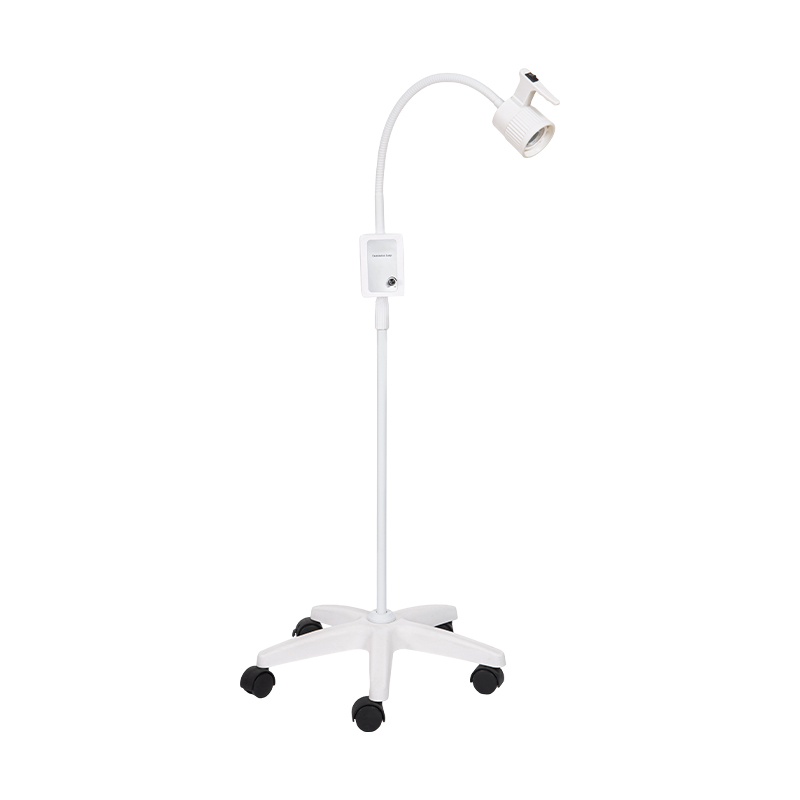
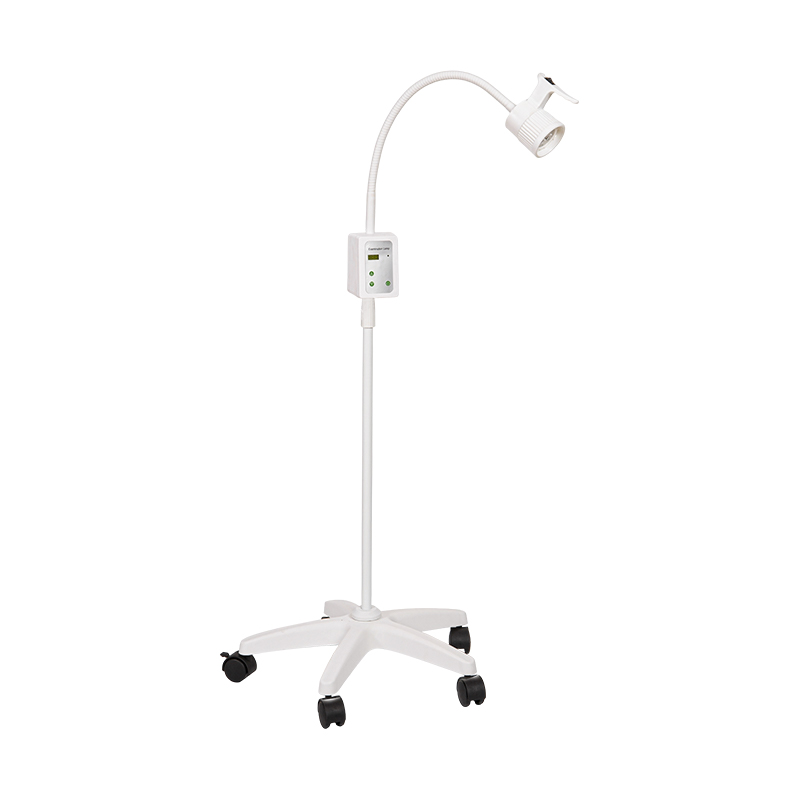
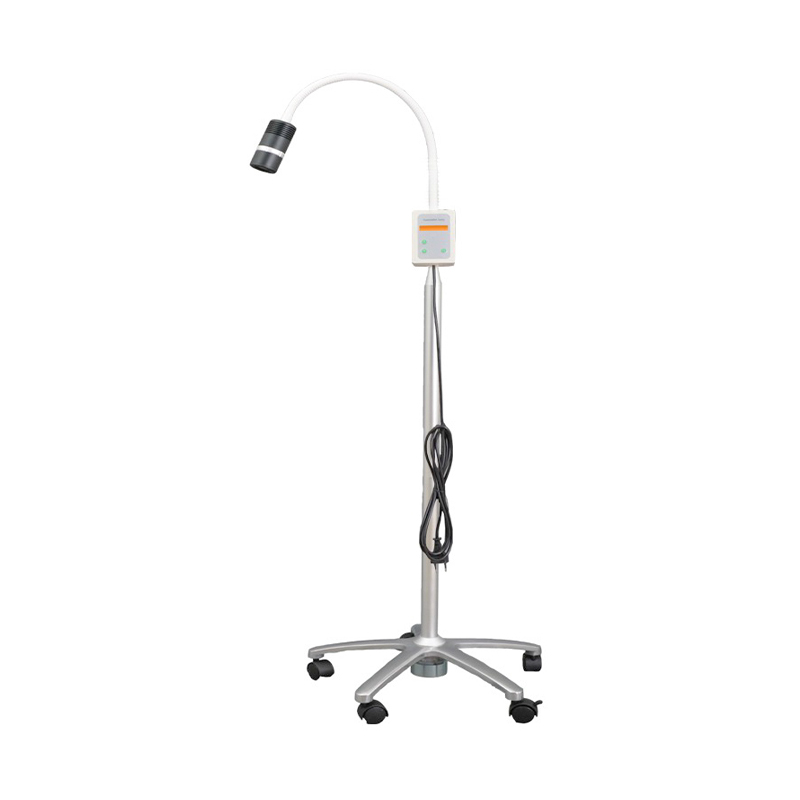
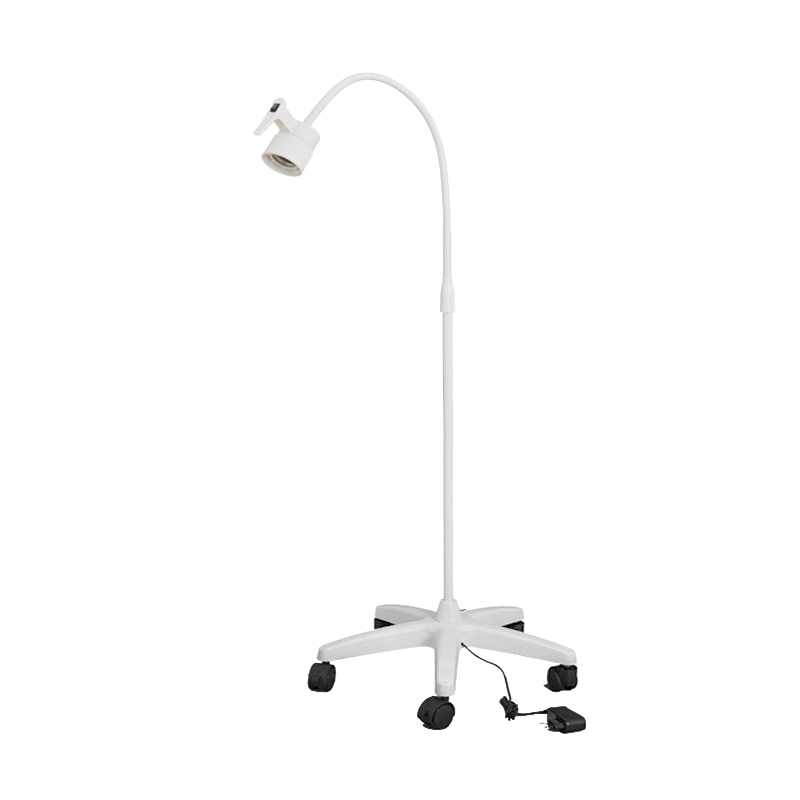
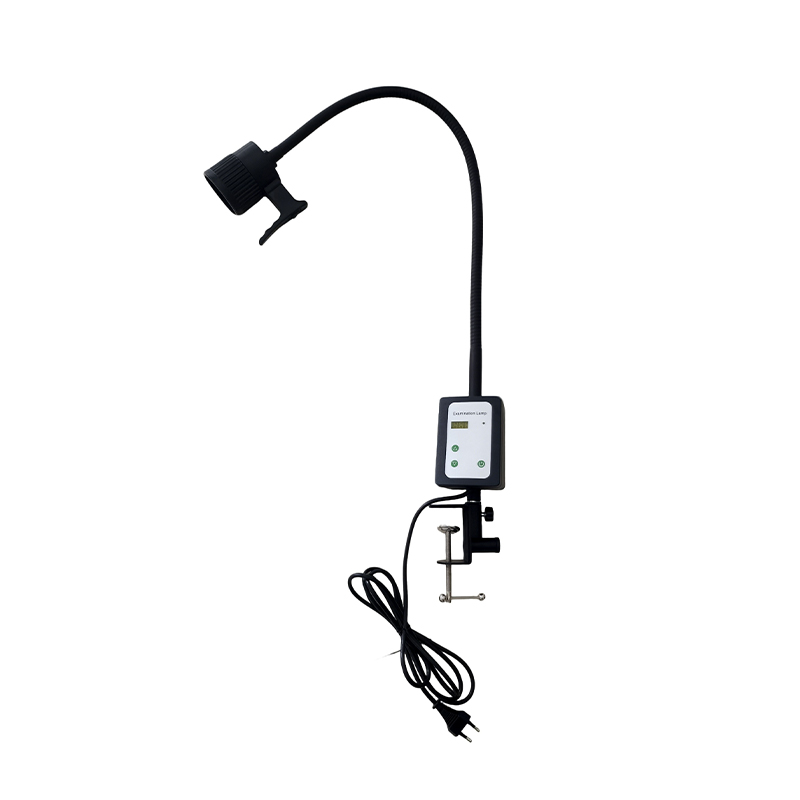
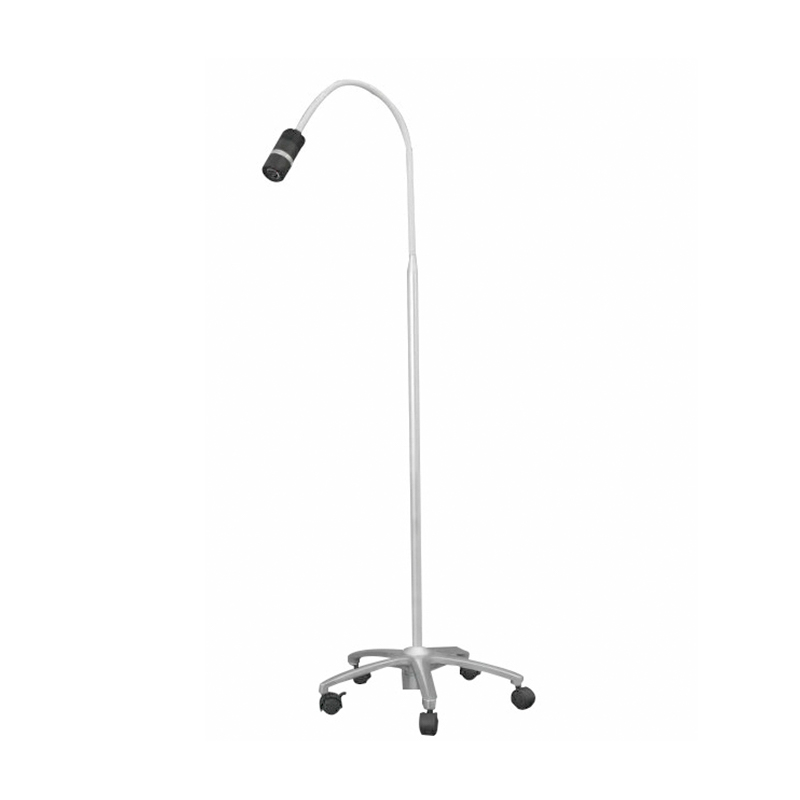
Bed-side assessment, wound inspection and suture preparation need a focused, low-heat beam that can be positioned precisely. LED gooseneck lamps from 3 W to 12 W cover most of this work; 25 W and 35 W halogen models remain common where colour rendering is prioritised over heat output. Mounting method decides practical value more than wattage does — a clip-on unit suits a bed rail, a mobile stand suits a shared treatment room, and a table base suits a consulting desk. Brightness or spot-size adjustable versions reduce repositioning, and where mains power is unreliable, a built-in backup battery keeps the lamp usable during transfer.
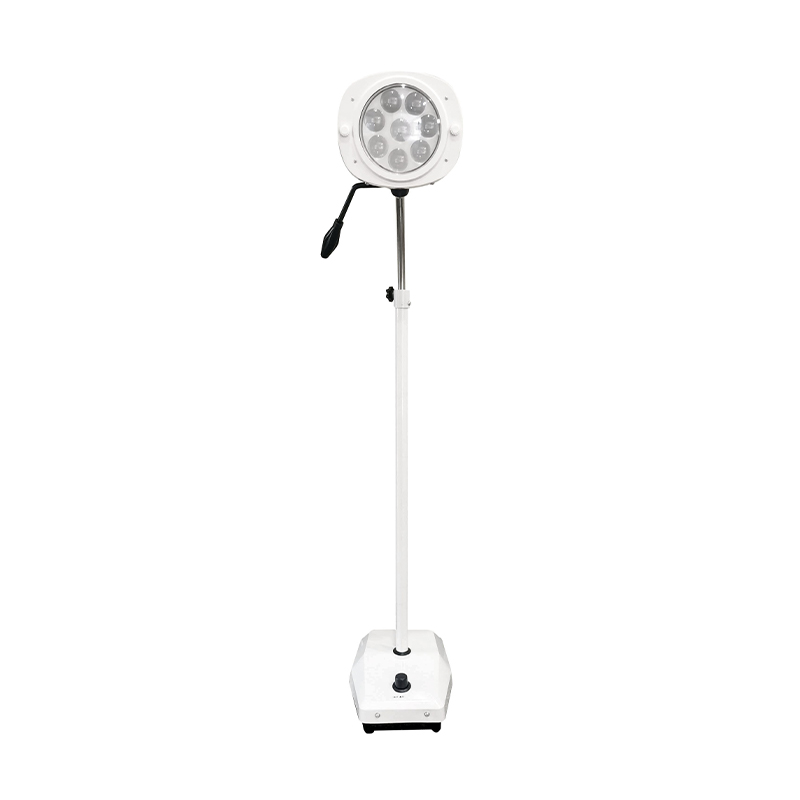
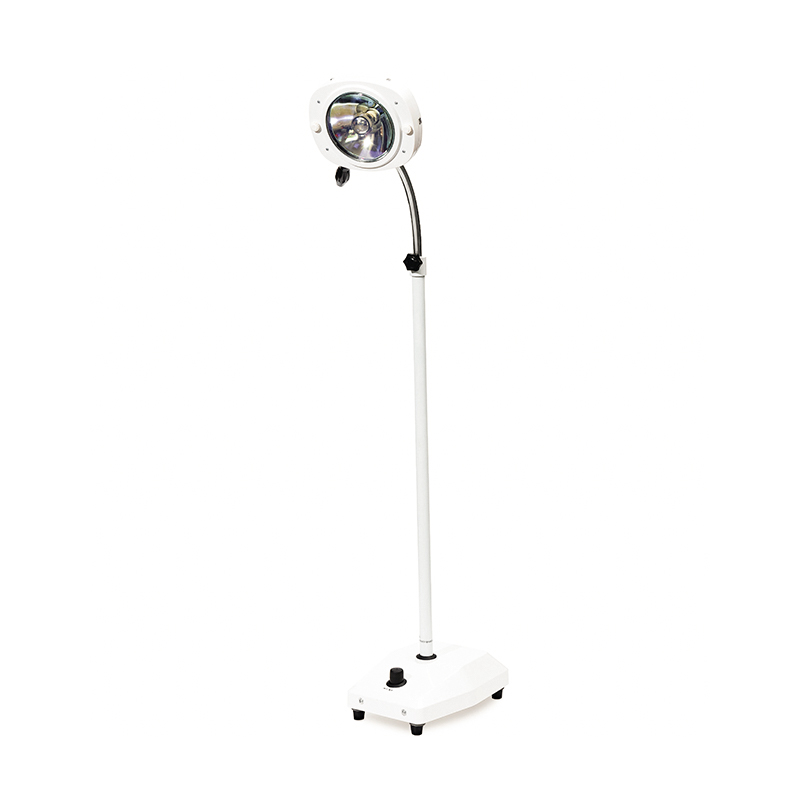
Suturing, incision and drainage, chest tube insertion and airway procedures need shadow-free illumination across a field rather than a single bright spot. Mobile shadowless surgical lights in the 48 W to 80 W range, or ceiling-mounted 5-, 9- and 12-hole units, provide that coverage. Confirm three things: colour temperature between roughly 4000 K and 5000 K so tissue colour stays readable, a depth of field wide enough for the working distance, and an easy-clean or antibacterial housing, because these lights sit in rooms that are wiped down between patients.
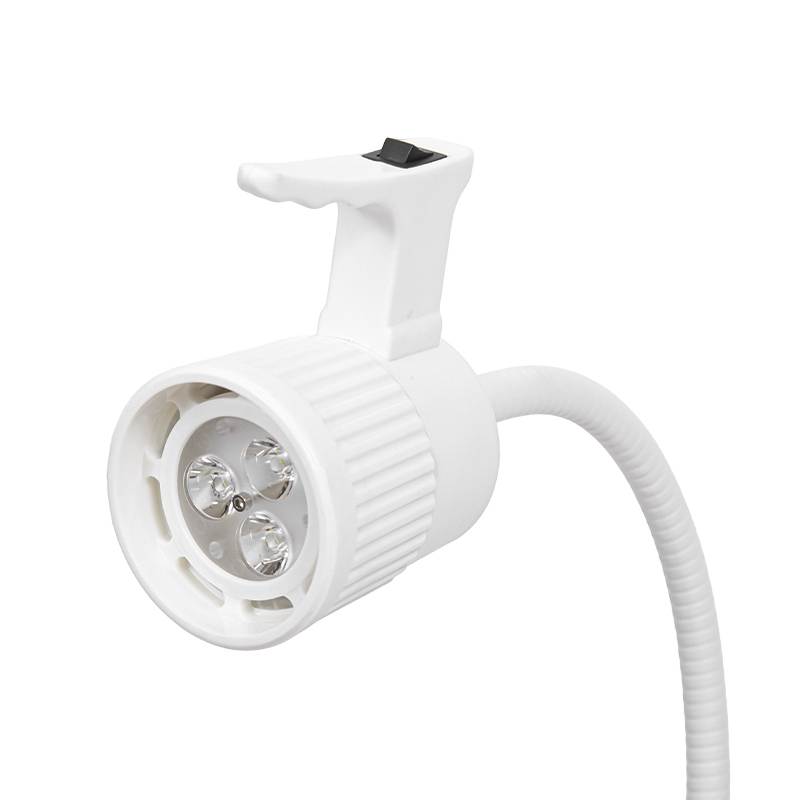 9W Mobile Led Examination Lamp*Built-in 9W backup battery, with overcharge protection function to ensure battery safety; *LED light source design, the light is uniform and soft, without flicker and...View Product →
 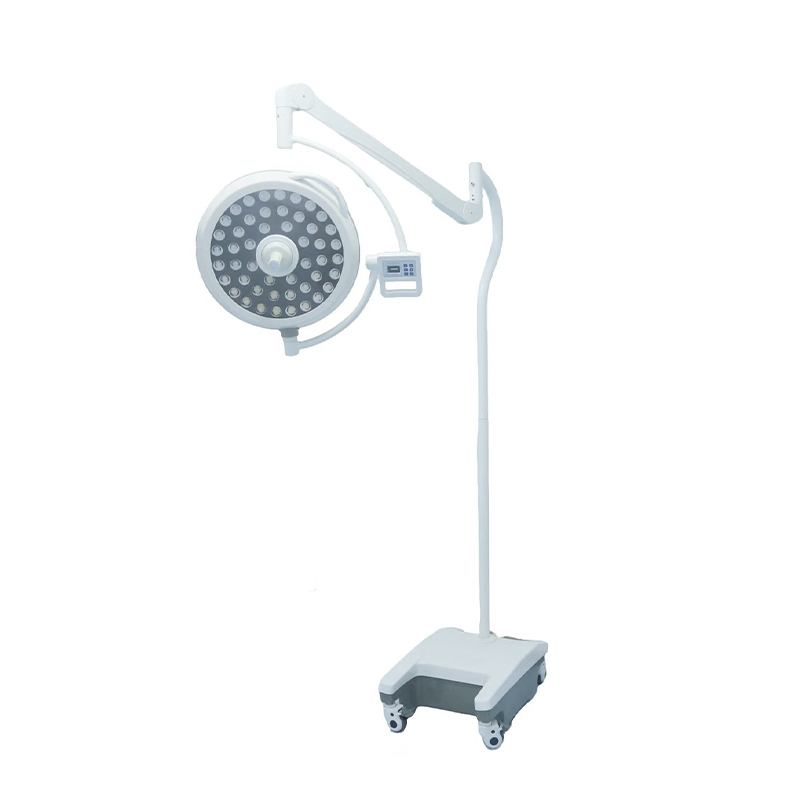 48W Mobile Led Shadowless Surgical Light With Casters1. Adopt imported OSRAM LED light source, 48 high-brightness lamp beads, provide sufficient and stable surgical lighting. 2. Efficient heat dissipation design: adopt a...View Product →
Disinfection equipment rarely appears on a clinician's ER equipment list, yet it sets the practical limit on how many patients a department can process. A bed unit sterilizer that runs too long forces an empty bay; an air sterilizer sized for the wrong room volume keeps that room out of service longer than necessary.
Sizing follows simple arithmetic. Air sterilizers are matched to room volume, and model numbers such as 100, 120 or 150 usually refer to that nominal treatment capacity rather than to wattage. UV trolley units are chosen by tube count and total lamp power: 60 W stainless-steel single-tube carts suit small treatment rooms, while dual-tube and four-tube designs, or U-shaped 80 W and 150 W vertical units, cover a larger floor area in one pass. Water sterilizers, from 6 W up to 165 W, belong in decontamination and dental areas rather than in the resuscitation bay.
Two practical points apply to all of them. Confirm the device is ozone-free, since rooms may be reoccupied shortly after a cycle. And order spare tubes and lamps with the original purchase — a sterilizer idle for a week waiting on a tube is a throughput problem, not a maintenance problem. Our walk-through of bed unit sterilizer operation covers cycle checks and the operator errors that shorten equipment life.
Voltage and frequency mismatches are the most predictable failure in international ER procurement. A unit built for 220–240 V and 50 Hz will not run correctly on a 110–120 V supply, and step-up transformers add heat, weight and another point of failure in an already crowded room. Confirm voltage, frequency, plug type and cord length on the purchase order, not on the quotation email.
Compliance paperwork follows the same logic. Medical electrical equipment is normally expected to meet IEC 60601-1 for basic safety and IEC 60601-1-2 for electromagnetic compatibility. A manufacturer holding ISO 13485 for medical devices, ISO 9001 for general quality, CE marking and RoHS compliance can usually supply the reports behind those claims. Ask for the declarations in writing, plus the ingress protection rating if the device will be wiped down or used near fluids, a spare-parts list with part numbers, and a service manual in the language your biomedical team reads.
Once the specification is fixed, the practical question becomes who can supply suction, lighting and disinfection equipment in one shipment with documentation an importer or hospital tender will accept. A manufacturer such as Jiangyin Jianshifu Equipment Co., Ltd, producing medical equipment in Jiangyin, Jiangsu since 1993, covers those three categories with series-built ranges — examination lamps from 3 W to 35 W, mobile and ceiling surgical lights, five plasma air sterilizer configurations and four electric suction apparatus variants — and states ISO 9001:2015, ISO 13485:2016, CE and RoHS certification. Buyers working with one supplier usually get faster answers on lead time, spare parts and mixed-model orders, especially when the order includes custom voltages or mounting options.
Emergency room equipment is judged in seconds, not seasons. Get suction, lighting and disinfection capacity right, confirm the electrical and documentation details before the order is placed, and the rest of the department — trolleys, storage, monitoring — becomes a layout exercise rather than a risk. Those three groups can be phased in; the first three cannot be guessed at.
 We have specialised in medical devices for 32 years.
Contact Us
 No 48 Xiaokan Rd, Shizhuang town, Jiangyin, Jiangsu, China
 sara@jsf-qx.com
 +86-18915253915
 +86-18861287595
+86-18915253915
+86-18861287595
+86-18915253915
Copyright @ Jiangyin Jianshifu Equipment Co.,Ltd.
 Custom Disinfection Equipment Manufacturers
China Disinfection Equipment Factory
Custom Disinfection Equipment Manufacturers
China Disinfection Equipment Factory
The information provided on this website is intended for use only in countries and jurisdictions outside of the People's Republic of China.


 English
  عربى
عربى