By Admin
Content
If you have been handed a bottle of Hibiclens and told to shower with it before surgery, the most important rule is this: use it exactly as your surgical team instructs, usually twice—the night before and the morning of surgery—and never mix it with other soaps, lotions, or powders. The second rule is to leave it on your skin for the full contact time, typically three minutes, before rinsing. Getting those two details right matters more than how much you use or how hard you scrub. Preoperative chlorhexidine baths remain one of the simplest ways to lower the bacteria on your skin before an incision. But the protection only works when the product is applied correctly and given time to kill organisms.
This guide walks through the practical steps, the common mistakes that cancel out the benefit, and the safety checks that keep your skin intact. It also covers what happens when skin prep is only one part of a larger infection-prevention plan in the hospital room.
Hibiclens is a skin cleanser built around 4% chlorhexidine gluconate (CHG). Unlike ordinary soap, CHG binds to the outer layer of skin and keeps killing bacteria for hours after you rinse. That residual action is the reason surgeons ask for a shower the night before and again on the morning of surgery: the first wash reduces the total number of bacteria, and the second wash adds another layer of protection while you travel to the hospital.
Timing matters because hospital bedding, operating room tables, and even your own clothes can reintroduce bacteria. A shower at 6 a.m. for an 8 a.m. surgery is not the same as a shower at 10 p.m. the night before. The goal is to have the highest concentration of CHG on your skin at the moment the incision is made. If you skip the morning wash, you lose the fresh layer that covers the hours between your last shower and the start of the procedure.
Your surgical team may also ask you to use a nasal antibiotic ointment or an antiseptic mouth rinse. Those steps target different reservoirs, such as the nose and mouth, but they do not replace the Hibiclens shower. Follow the full bundle, not just the part that seems easiest.
Set aside about 15 minutes for each Hibiclens shower. The steps below reflect standard patient instructions from hospitals that use CHG-based preoperative bathing.
Most failures with Hibiclens are not about the product itself. They come from small deviations that leave too little CHG on the skin or introduce new bacteria afterward.
| Mistake | Why It Matters | Correct Approach |
|---|---|---|
| Mixing Hibiclens with regular soap | Soap ingredients can inactivate CHG and reduce residual killing. | Use Hibiclens as the only cleanser during the pre-op shower. |
| Rinsing too soon | CHG needs contact time to disrupt bacterial cell walls. | Leave it on for a full three minutes before rinsing. |
| Using dirty towels or clothes | Reintroduces bacteria right after the shower. | Use a clean towel, fresh clothes, and clean bedding. |
| Applying lotion or deodorant afterward | Creates a barrier that blocks CHG from reaching the skin surface. | Skip all skin products after the Hibiclens shower. |
| Shaving the surgical site | Nicks and cuts can become entry points for infection. | Let the surgical team handle hair removal if it is needed. |
Hibiclens is generally well tolerated, but it is not right for everyone. Contact your surgeon or pre-op nurse before use if you have a known allergy to chlorhexidine, a skin condition that covers a large area, or a history of reactions to antiseptic soaps. Stop using it and call your team if you notice spreading redness, blistering, swelling, or difficulty breathing. Those signs can indicate a rare but serious allergic reaction.
Do not use Hibiclens on infants younger than two months unless a clinician directs you. For children or adults who cannot shower independently, a caregiver can help with a washcloth, but the same contact time and rinse rules apply. If you have an open wound, a surgical drain, or a healing skin graft, keep Hibiclens away from that area unless your surgeon specifically says otherwise.
Some patients worry that missing one shower will ruin their surgery. It is better to tell your team than to try to catch up by scrubbing harder or using extra product. Strong scrubbing can irritate skin and increase the chance of a reaction. Honest reporting lets the nurses adjust the prep plan safely.
Skin is the largest source of bacteria that can reach a surgical incision, but it is not the only one. Bed rails, over-bed tables, IV poles, and the mattress surface can carry organisms from previous patients. Hospitals that take infection prevention seriously combine patient skin prep with environmental cleaning. That is why a bed unit sterilizer is often used between patients to treat mattresses, pillows, and bed frames without damaging fabrics. For a closer look at how these units fit into turnover routines, see this practical guide to bed unit sterilizer operation.
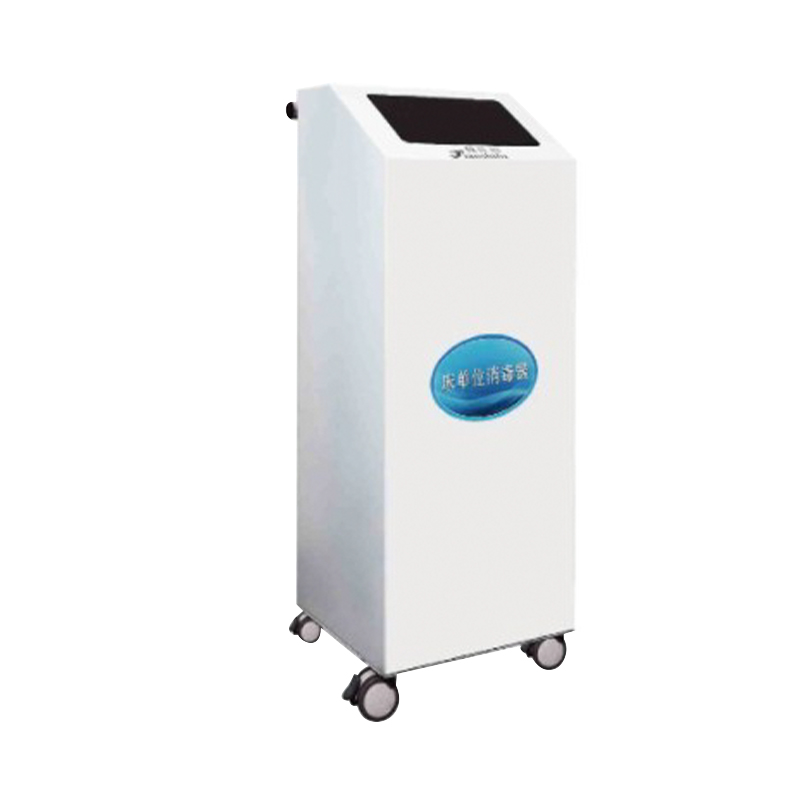 Medical Mobile Bed Unit Sterilizer*Beautiful design and easy to move; *It can osmose the ozone into the bedding, completely disinfect; *High ozone density,long lifetime, efficient disinfection; *Analys...View Product →
Surface disinfection is another layer. UV lamp sterilizer trolleys can be rolled into a room after cleaning to reach shadowed areas on walls, floors, and equipment. They do not replace manual cleaning, because dirt and bodily fluids block UV light, but they add a consistent final step.
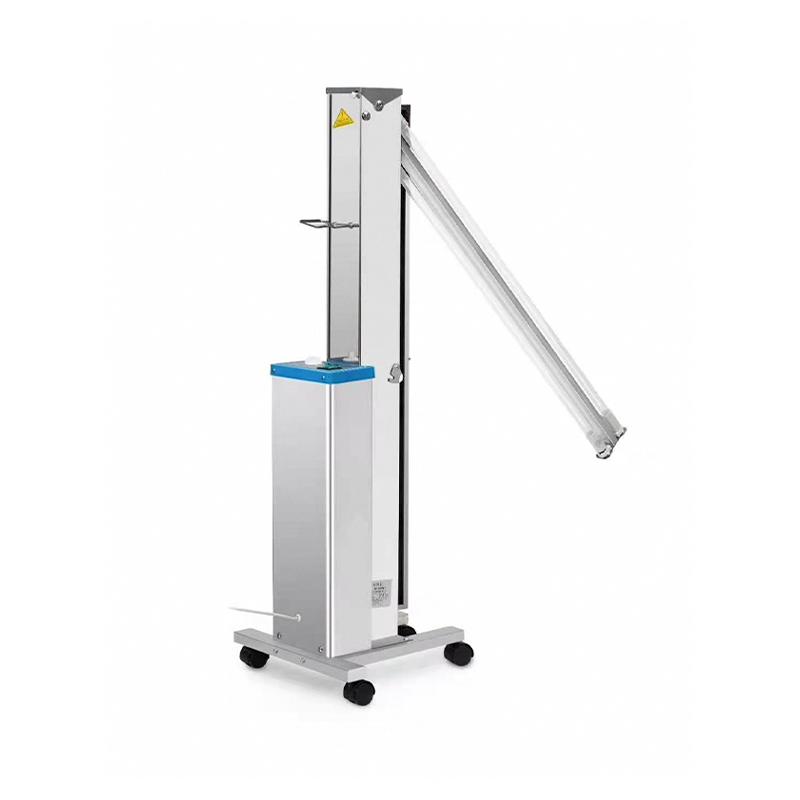 60w Stainless Steel UV Lamp Sterilizer TrolleyUV lamp sterilizer trolley makes sterilization with high strength UV lamp, lamp arm can be adjusted between 0-180° freely.It moves easily,the smart and infrared type h...View Product →
Air quality matters as well, especially in operating suites and recovery rooms where aerosolized bacteria can drift toward an open wound. Plasma air disinfection machines can run continuously in occupied spaces, while UV air sterilizers are used when a room is empty.
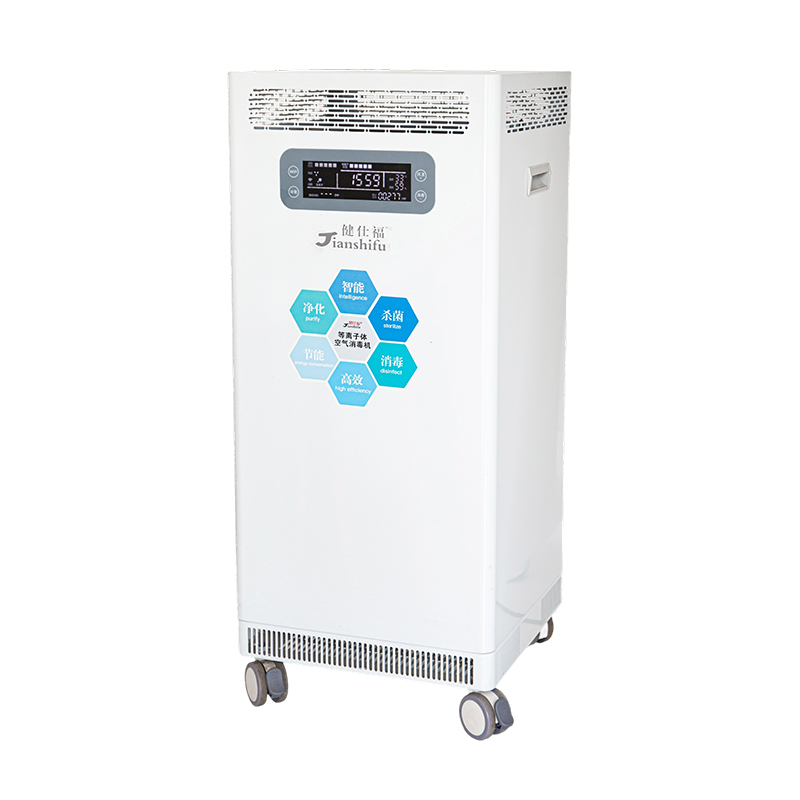 Medical Mobile 120 Plasma Air Disinfection Machine*Silent design: With low-noise motor and optimized air duct design, the noise is as low as 30dB during operation, which is suitable for use in quiet environments such ...View Product →
If you are a patient, you do not need to manage these systems yourself. But it helps to know that your Hibiclens shower is part of a chain. If the room, bed, or air is contaminated, the benefit of a perfect shower can be reduced. If you are a clinic or hospital buyer, the same logic applies to your procurement list: skin prep products, surface disinfection, and air treatment should be evaluated together, not as isolated purchases.
Call your surgeon's office or the pre-op nurse if you are unsure whether to use Hibiclens on a particular body area, if you develop a rash or itching after the first shower, or if you forget a scheduled wash. They can tell you whether to repeat a shower, switch to a different antiseptic, or proceed as planned. Do not make that decision on your own, because the right answer depends on the surgery type, your skin history, and the timing of the operation.
The night before surgery is not the time to experiment with a new soap, scrub brush, or exfoliating product. Keep your routine simple: warm water, Hibiclens, three minutes, thorough rinse, clean towel, clean clothes. That sequence gives the product the best chance to work and keeps your skin calm for the operating room.
Correct Hibiclens use before surgery comes down to repetition and restraint. Wash at the times your team specifies, leave it on for the full contact time, avoid the areas that should not be scrubbed, and do not layer other products on top. If you do those things, you have done your part to lower the bacteria on your skin before the incision. The rest of the infection-prevention chain—sterile technique, environmental cleaning, and careful post-op care—belongs to the clinical team, but your shower is one step you can control.
 We have specialised in medical devices for 32 years.
Contact Us
 No 48 Xiaokan Rd, Shizhuang town, Jiangyin, Jiangsu, China
 sara@jsf-qx.com
 +86-18915253915
 +86-18861287595
+86-18915253915
+86-18861287595
+86-18915253915
Copyright @ Jiangyin Jianshifu Equipment Co.,Ltd.
 Custom Disinfection Equipment Manufacturers
China Disinfection Equipment Factory
Custom Disinfection Equipment Manufacturers
China Disinfection Equipment Factory
The information provided on this website is intended for use only in countries and jurisdictions outside of the People's Republic of China.


 English
  عربى
عربى