By Admin
Content
An examination lamp is not a minor accessory in orthopedic practice — it is a functional partner to the orthopedic surgery instruments used during diagnosis, casting, wound inspection, and minor bedside procedures. Its role is straightforward but non-negotiable: deliver shadow-free, color-accurate, adjustable light so that clinicians can correctly identify bone alignment, skin tone changes, swelling, and instrument placement without visual distortion. Facilities that pair a properly specified examination lamp with their orthopedic instrument sets consistently report fewer repositioning delays, fewer repeat inspections, and clearer visibility during fine manual tasks such as suturing, probing, or pin removal.
In short, the right examination lamp does three things for orthopedic teams: it standardizes lighting conditions across exam rooms, it reduces eye strain during long procedure days, and it improves the accuracy of visual assessments that guide instrument selection. These three outcomes are not abstract — they translate into measurable workflow benefits, including shorter setup time before a procedure and fewer instances where a clinician has to reposition a limb or reach for a secondary light source mid-procedure.
Orthopedic teams often underestimate lighting until it becomes a bottleneck. A dim or poorly focused lamp forces clinicians to compensate with awkward angles, close proximity to the patient, or repeated adjustments to instrument grip — all of which slow down routine tasks and increase the risk of small errors. The sections below explain what to look for in an examination lamp, how it interacts with everyday orthopedic instrument use, and how to select a configuration suited to a specific clinical environment.
Orthopedic work involves close inspection of skin, bone landmarks, and metal instrument surfaces, so lighting quality directly affects clinical judgment. Unlike general ambient room lighting, an examination lamp is a targeted tool, and its specifications should be evaluated with the same care given to the instruments it supports. Five parameters deserve close attention when matching an examination lamp to orthopedic use.
A high CRI, typically 90 or above, allows clinicians to see true skin coloration and bruising patterns, which is critical when assessing circulation around a splint or cast edge before or after using orthopedic instruments. A low-CRI lamp can make early bruising or mild cyanosis harder to detect, which matters when a clinician is deciding whether to loosen a cast or adjust instrument pressure.
Lamps set between 4000K and 5000K produce a neutral white light that avoids the yellow cast of warm lighting and the harshness of cold blue light, making it easier to distinguish inflammation from normal tissue tone. Some facilities standardize on a single color temperature across all exam rooms so that clinicians moving between rooms do not need to recalibrate their visual judgment each time.
Adjustable focus lets the beam be narrowed for detailed instrument work, such as guiding a probe or forceps into a small wound, or widened for a general limb examination. Uneven light spots increase the risk of missing subtle defects on the skin or on instrument tips. A lamp with a smooth, stepless brightness dial gives clinicians more control than a lamp with only two or three fixed brightness levels, particularly during procedures where lighting needs change from one step to the next.
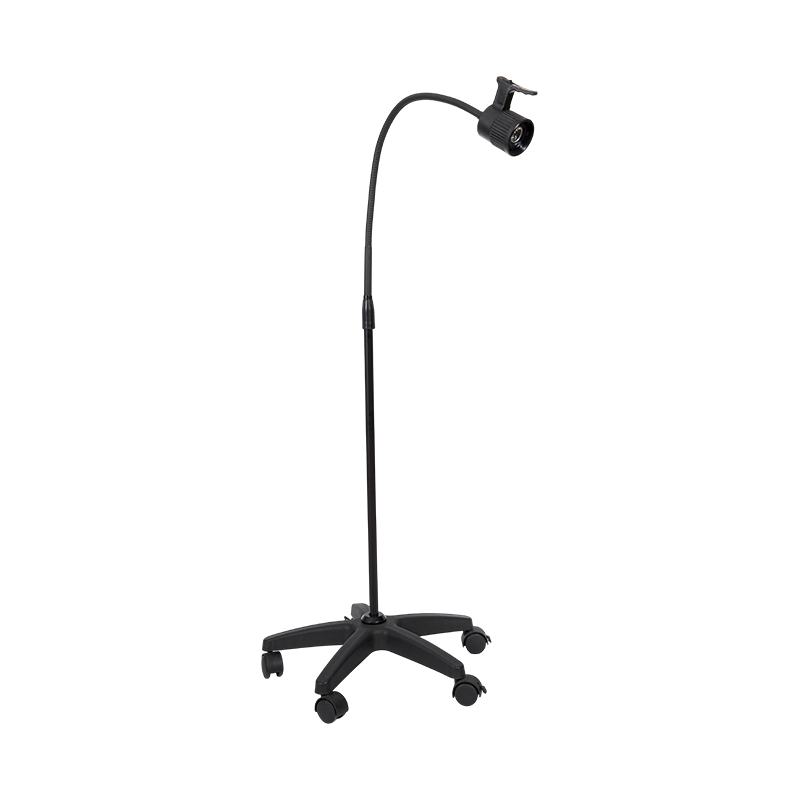
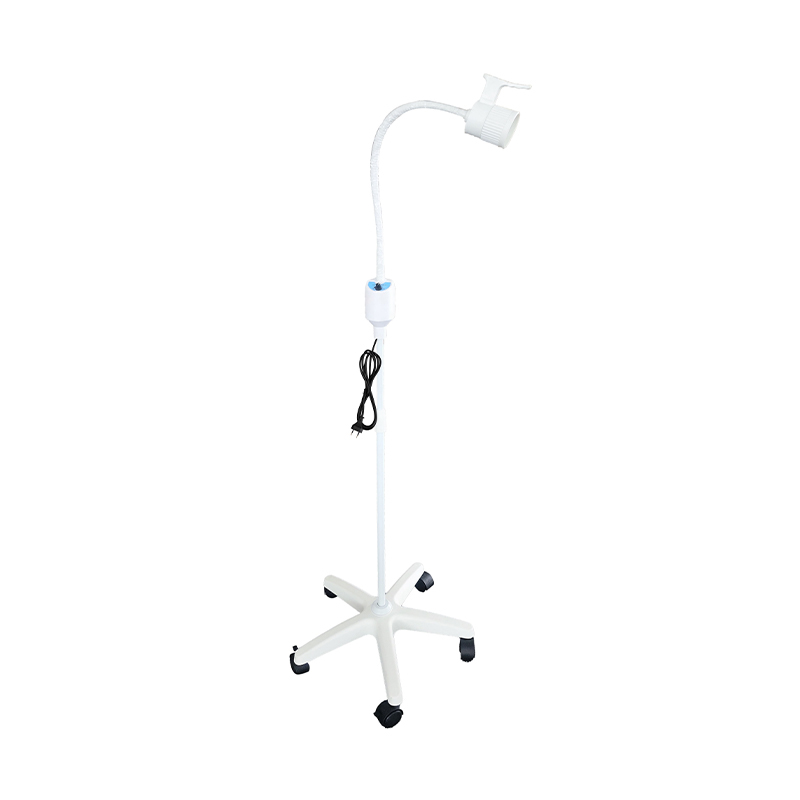
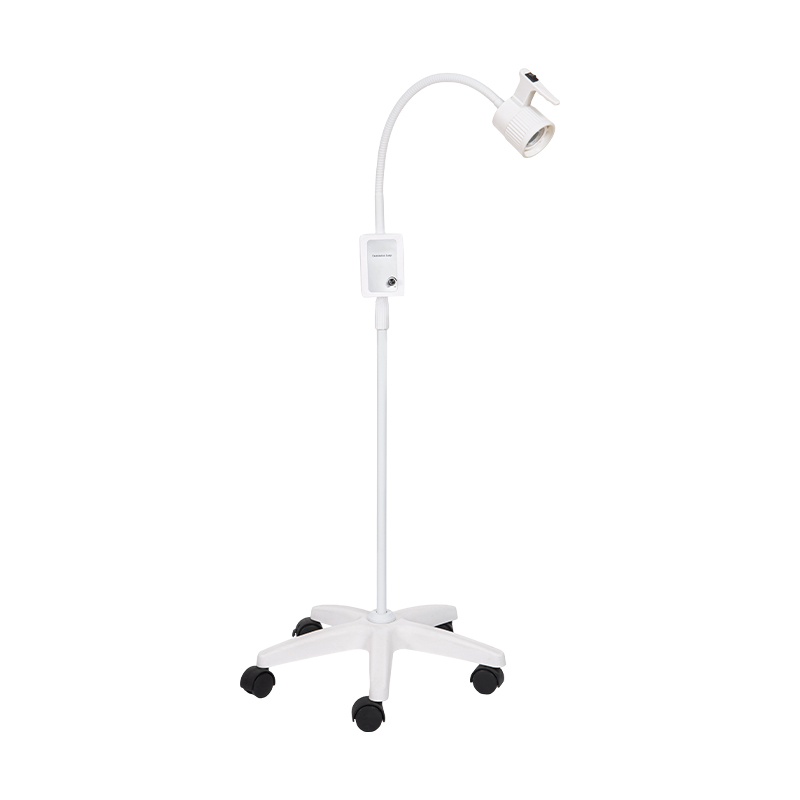
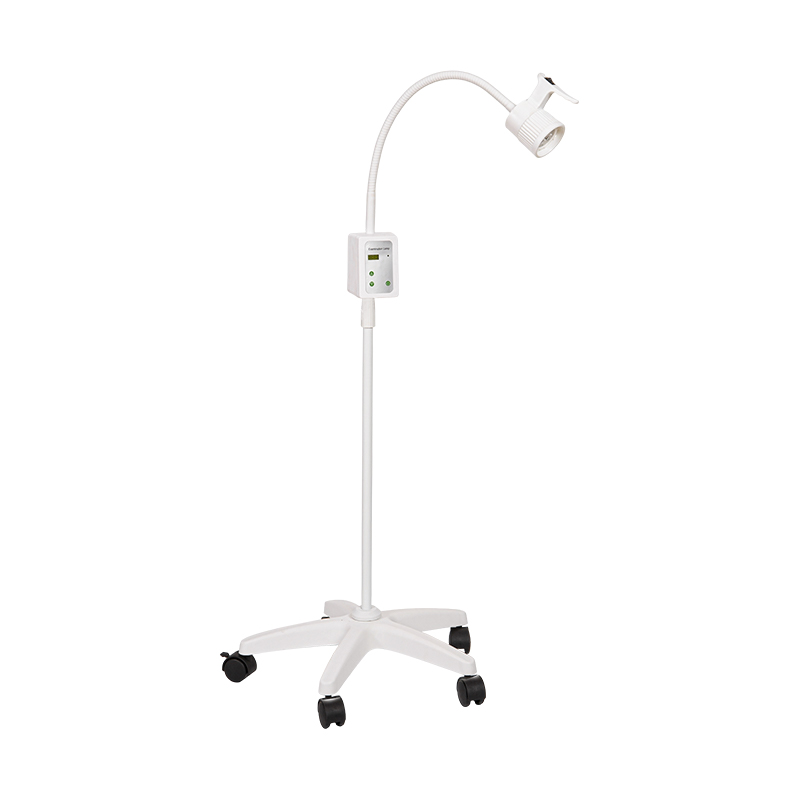
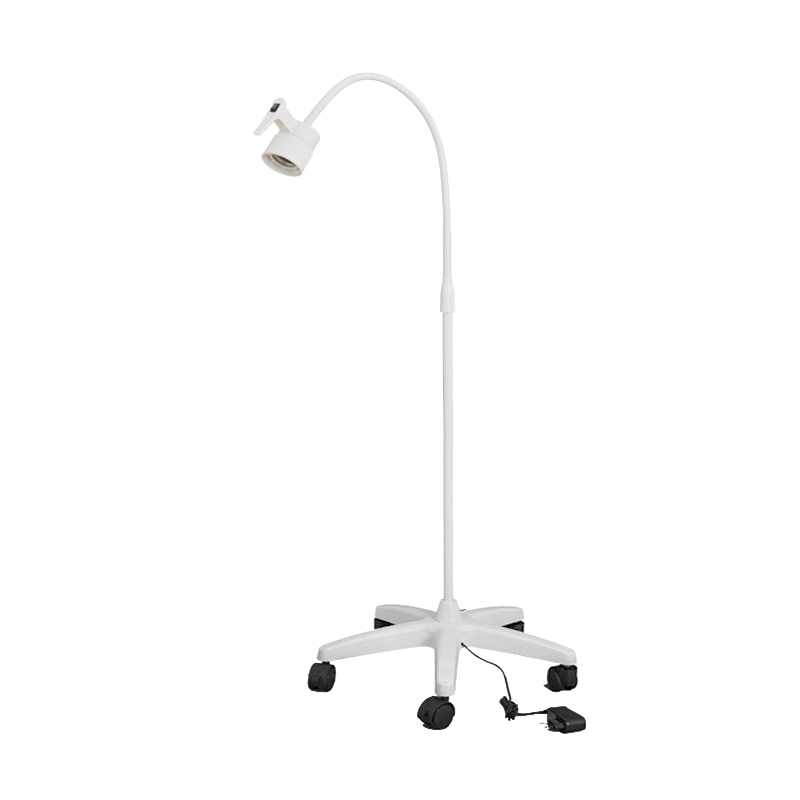
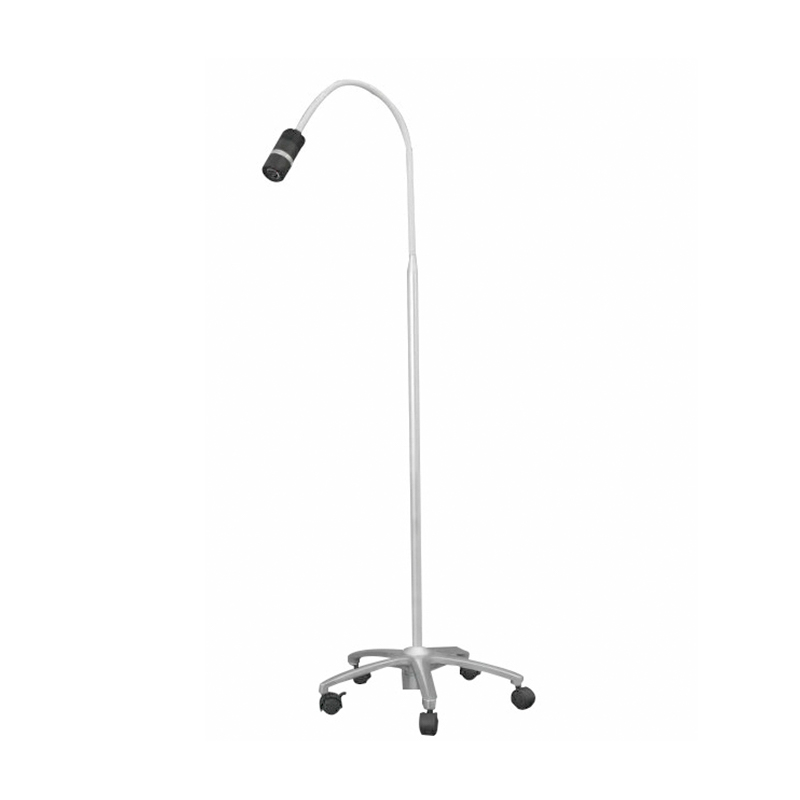
A gooseneck or articulated arm allows the light source to be angled precisely over a joint or fracture site, keeping the beam aligned with the instrument in the clinician's hand rather than casting a shadow across the work area. The reach and range of motion of the arm should be checked against the typical distance between the light mount and the patient bed or exam chair, since an arm that cannot fully extend will limit positioning options during longer procedures.
Because examination lamps are often positioned close to the patient and to the clinician's hands, low heat output at the lamp head matters for comfort during extended procedures. LED-based lamps generally run cooler at the point of use than older halogen designs, which is a practical consideration when a lamp will remain on and positioned close to the skin for several minutes at a time.
Orthopedic surgery instruments — including probes, retractors, bone hooks, plaster shears, and reduction forceps — are used in close, detail-sensitive work. Good lighting removes ambiguity at every step of that workflow, and it does so in a way that directly affects how confidently and quickly an instrument can be applied.
Facilities that treat lighting and instrumentation as one connected system, rather than as separate purchases made at different times, tend to standardize both replacement cycles and cleaning protocols, which simplifies maintenance planning and reduces the administrative burden of managing two unrelated equipment schedules.
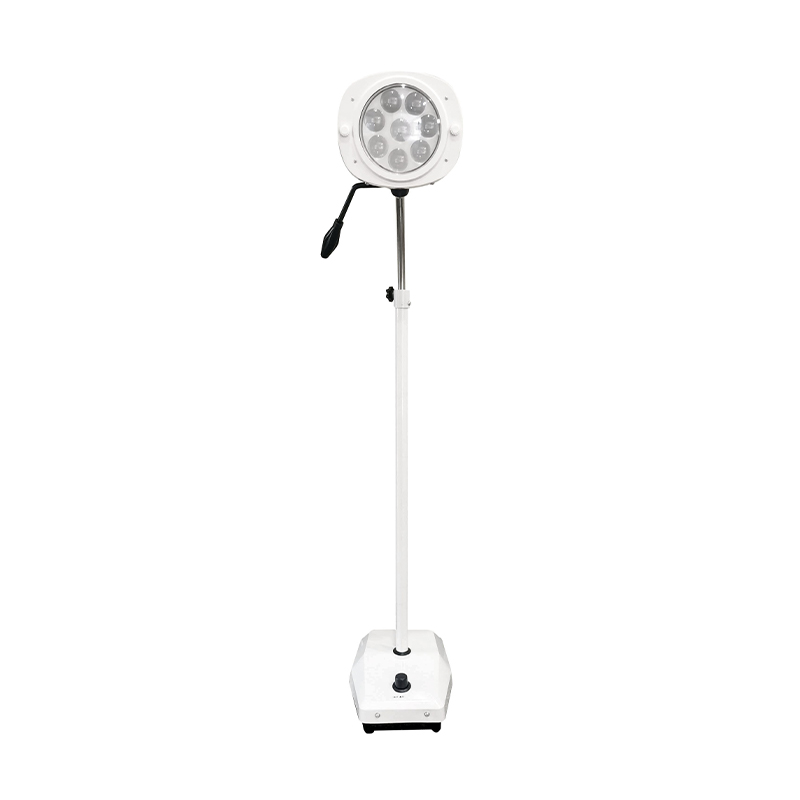
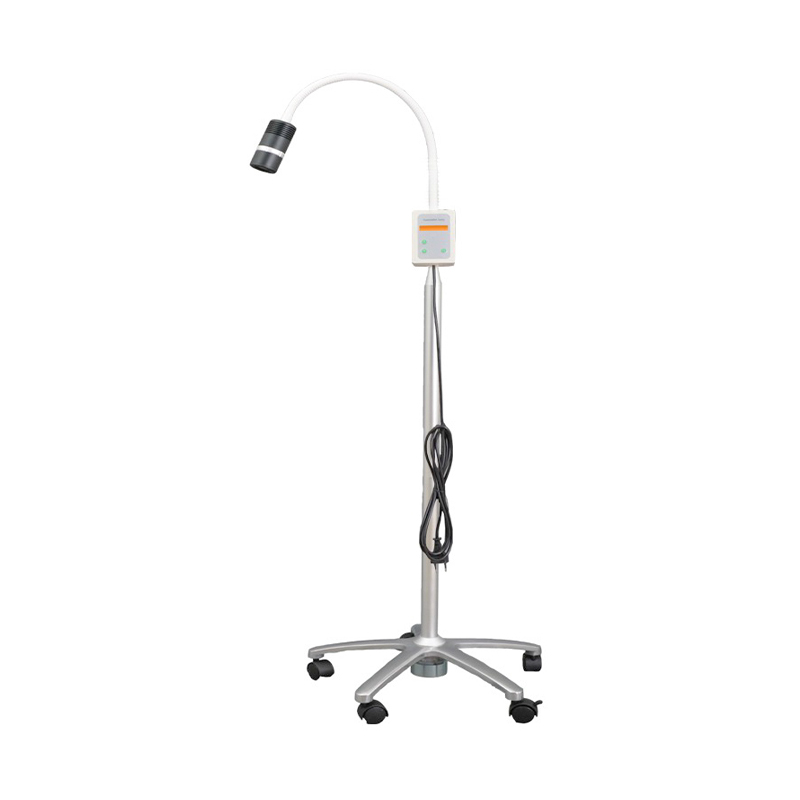
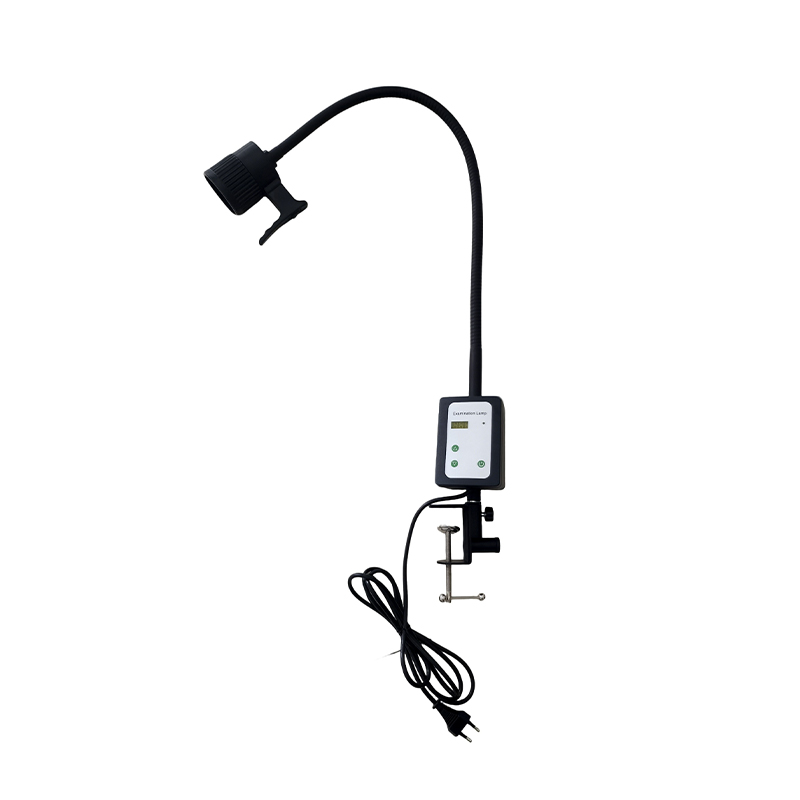
Different orthopedic settings call for different lamp formats, and choosing the wrong format can create friction even when the lamp's technical specifications are otherwise strong. A mobile ward may need portability above all else, while a dedicated casting room benefits more from a fixed, high-stability mount. The table below summarizes common configurations and where they tend to fit best.
| Lamp Type | Typical Setting | Main Advantage |
|---|---|---|
| Gooseneck LED Lamp | Outpatient casting rooms | Precise beam positioning near instruments |
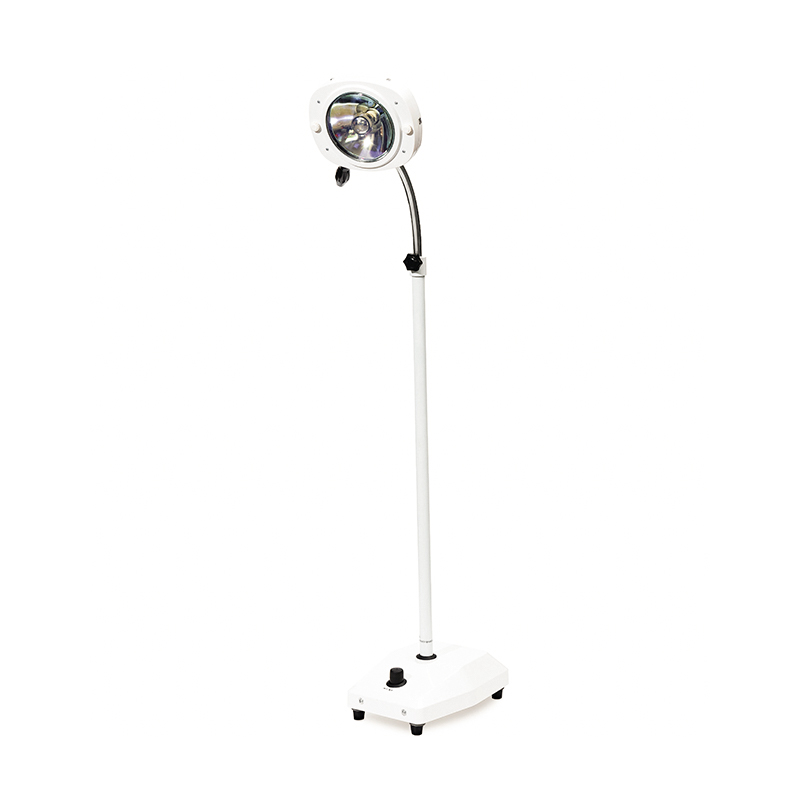
| Mobile Battery-Powered Lamp | Ward rounds, emergency response | No fixed power source required |
| Wall or Ceiling-Mounted Lamp | Fixed treatment rooms | Stable, floor-space-saving illumination |
| Clip-On Bed Lamp | Bedside instrument work | Compact, attaches directly to the bed rail |
| Floor-Standing Adjustable Lamp | Shared treatment areas | Easy to relocate between exam stations |
When comparing formats, it helps to map each option against the actual instrument workflow of the room. A casting room where forceps, plaster shears, and padding tools are used in a fixed sequence benefits from a gooseneck or ceiling-mounted lamp that stays consistently positioned. A ward that handles unpredictable bedside checks benefits more from a mobile or clip-on lamp that can move with the clinician rather than requiring the patient to be repositioned under a fixed light.
Because examination lamps are used in close proximity to orthopedic surgery instruments, hygiene and mechanical reliability go hand in hand. Lighting equipment that is neglected does not just dim over time — it can also become a point of cross-contamination if it is not cleaned as consistently as the instruments themselves. The following practices help extend service life and reduce cross-contamination risk.
Not necessarily. Wattage relates to power draw, while the visual outcome depends more on CRI, focus control, and how evenly the light spreads across the work area. A well-focused, moderate-wattage LED lamp can outperform a higher-wattage lamp with a poorly designed reflector.
A single gooseneck or mobile lamp can usually handle general examination, casting support, and minor instrument work, provided it has adjustable focus and brightness. Highly specialized tasks, such as detailed wound photography, may still benefit from a dedicated fixed lamp with tighter color consistency.
Rather than following a fixed calendar date, most facilities replace a lamp when brightness output falls noticeably below its original specification, or when the arm mechanism no longer holds position reliably — whichever comes first.
Selecting an examination lamp works best as part of a broader conversation with a manufacturer that understands how lighting integrates with everyday clinical instrument use, rather than treating the lamp as an isolated purchase. Jiangyin Jianshifu Equipment Co., Ltd., established in 1993, has focused on medical lighting and disinfection equipment for over three decades, with a modernized production line and in-house testing capability that supports consistent quality across production batches.
Its examination lamp range spans gooseneck, mobile, wall-mounted, and clip-on formats, allowing orthopedic departments to match lamp configuration to the specific instrument workflows used in casting rooms, wards, and treatment areas. For facilities planning new exam rooms or upgrading existing lighting, working directly with a manufacturer that offers requirement consultation and after-sales support can simplify the process of matching lamp specifications to actual clinical needs, rather than selecting equipment based on general product listings alone.
Ultimately, the value of an examination lamp is measured not by its specification sheet alone, but by how well it performs alongside the orthopedic surgery instruments it is meant to support in daily clinical use. A thoughtful selection process — one that accounts for CRI, focus control, arm flexibility, and the specific instrument workflow of the room — pays off in fewer delays, clearer assessments, and a more consistent standard of care across every exam room in the facility.
 We have specialised in medical devices for 32 years.
Contact Us
 No 48 Xiaokan Rd, Shizhuang town, Jiangyin, Jiangsu, China
 sara@jsf-qx.com
 +86-18915253915
 +86-18861287595
+86-18915253915
+86-18861287595
+86-18915253915
Copyright @ Jiangyin Jianshifu Equipment Co.,Ltd.
 Custom Disinfection Equipment Manufacturers
China Disinfection Equipment Factory
Custom Disinfection Equipment Manufacturers
China Disinfection Equipment Factory
The information provided on this website is intended for use only in countries and jurisdictions outside of the People's Republic of China.


 English
  عربى
عربى