By Admin
Content
The Direct Answer: What Machine Is Used to Sterilize Surgical Instruments?
The primary machine used to sterilize surgical instruments is the autoclave (steam sterilizer), which uses pressurized steam at high temperatures to eliminate bacteria, viruses, fungi, and spores. However, autoclaves are not the only solution. Modern healthcare facilities also rely on dry heat sterilizers, chemical sterilizers, and — increasingly — UV lamp sterilizer trolleys for rapid surface and air disinfection in operating rooms, wards, and clinical workspaces.
Each machine serves a specific sterilization role. Choosing the right one depends on the material of the instrument, the required sterility level, the available space, and the urgency of the procedure. This article walks through every major sterilization machine used in surgical and clinical settings, with particular focus on where the UV lamp sterilizer trolley fits into a complete infection control strategy.
Healthcare facilities use several distinct types of sterilization equipment. The table below summarizes each machine type, its sterilization method, and its primary applications.
| Machine Type | Sterilization Method | Typical Applications | Heat Sensitivity |
|---|---|---|---|
| Autoclave (Steam Sterilizer) | Pressurized steam, high heat | Surgical instruments, metal tools, lab waste | Requires heat-tolerant items |
| Dry Heat Sterilizer | Hot air, no steam | Glassware, metal instruments, powders | Requires heat-tolerant items |
| Chemical / Liquid Sterilizer | Immersion in liquid sterilants | Endoscopes, heat-sensitive surgical tools | Suitable for heat-sensitive items |
| UV Lamp Sterilizer Trolley | UVC germicidal irradiation (253.7 nm) | Room surfaces, air, medical equipment surfaces | No heat — safe for all surfaces |
| Microwave Steam Sterilizer | Microwave energy + steam | Small tools, lab waste decontamination | Limited item compatibility |
The autoclave remains the most widely used machine for sterilizing surgical instruments in hospitals, clinics, and surgical centers. It works by exposing instruments to pressurized steam at temperatures typically between 121°C and 134°C, which destroys all forms of microbial life including heat-resistant bacterial spores.
Steam under pressure penetrates instrument packaging, wrappings, and porous materials more effectively than dry heat alone. The combination of pressure, temperature, and time — the three critical variables of steam sterilization — ensures that even the most resistant pathogens are eliminated. A standard cycle for wrapped surgical instruments typically runs at 134°C for a minimum of 3 minutes under vacuum conditions.
Autoclaves are highly effective but cannot be used for every item. Heat-sensitive instruments, including many endoscopes and fiber-optic components, are damaged by high-temperature steam. Additionally, autoclaves sterilize instruments inside their chambers — they do not address airborne pathogens or surface contamination in the surrounding clinical environment. This is precisely where the UV lamp sterilizer trolley plays a complementary and vital role.
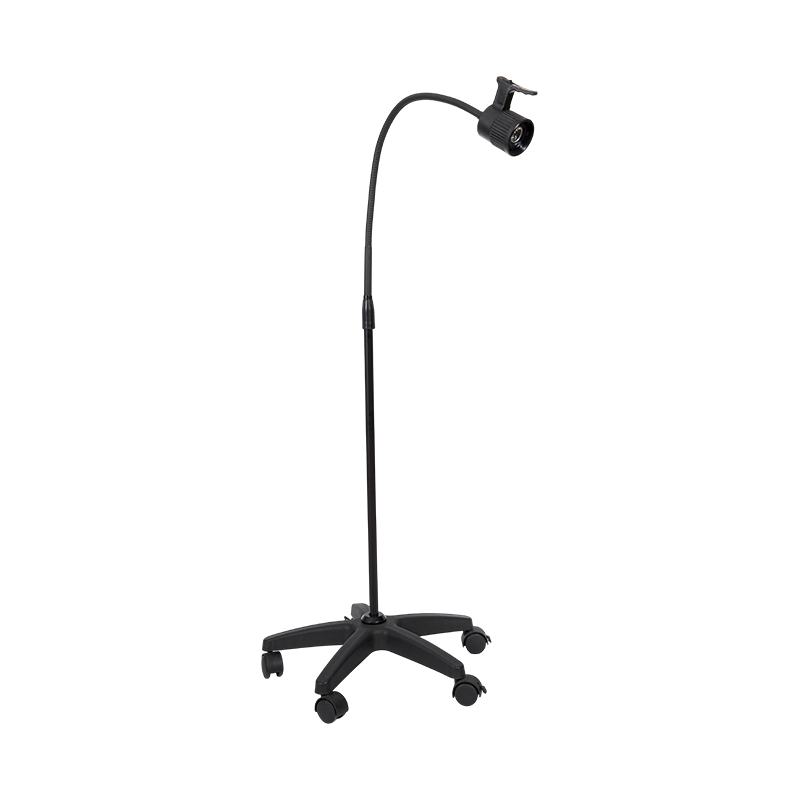
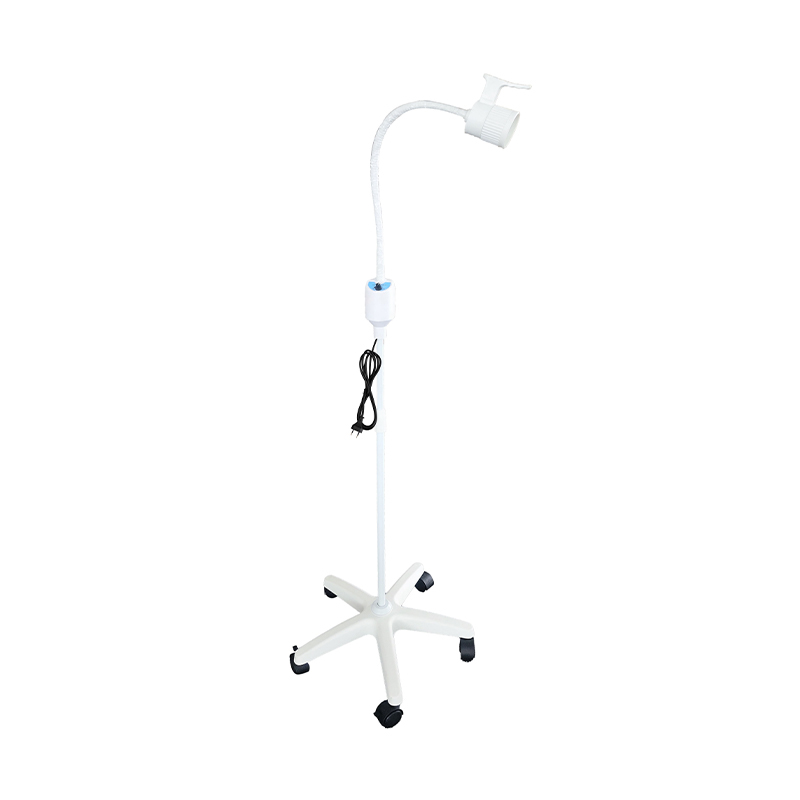
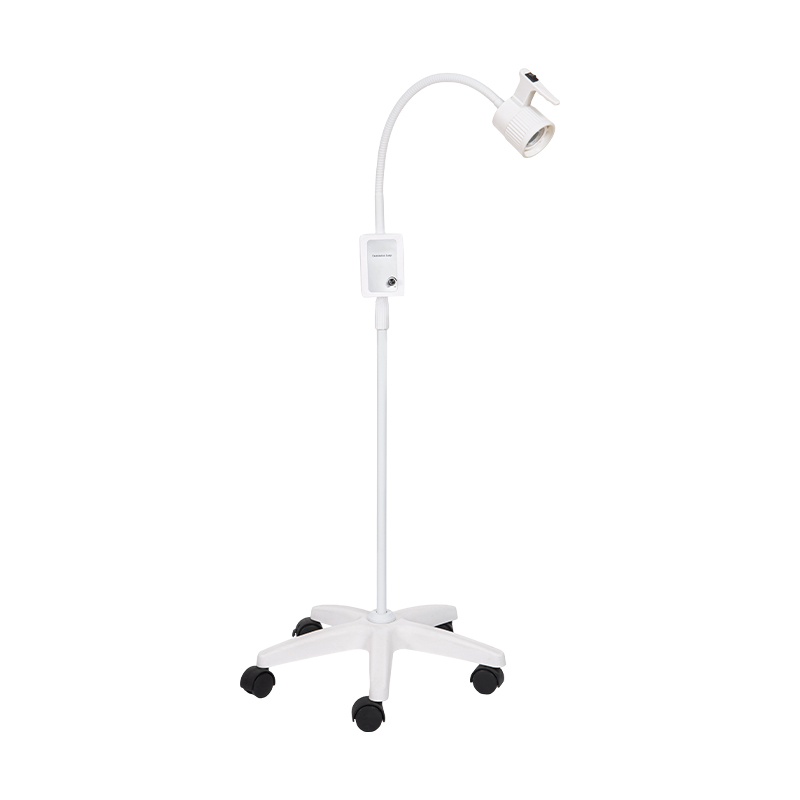
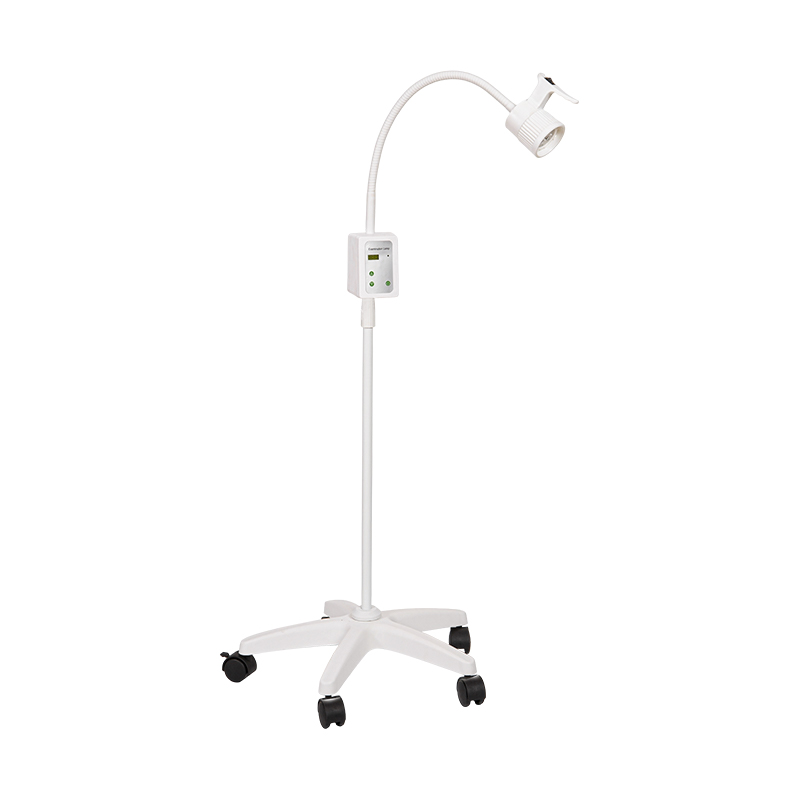
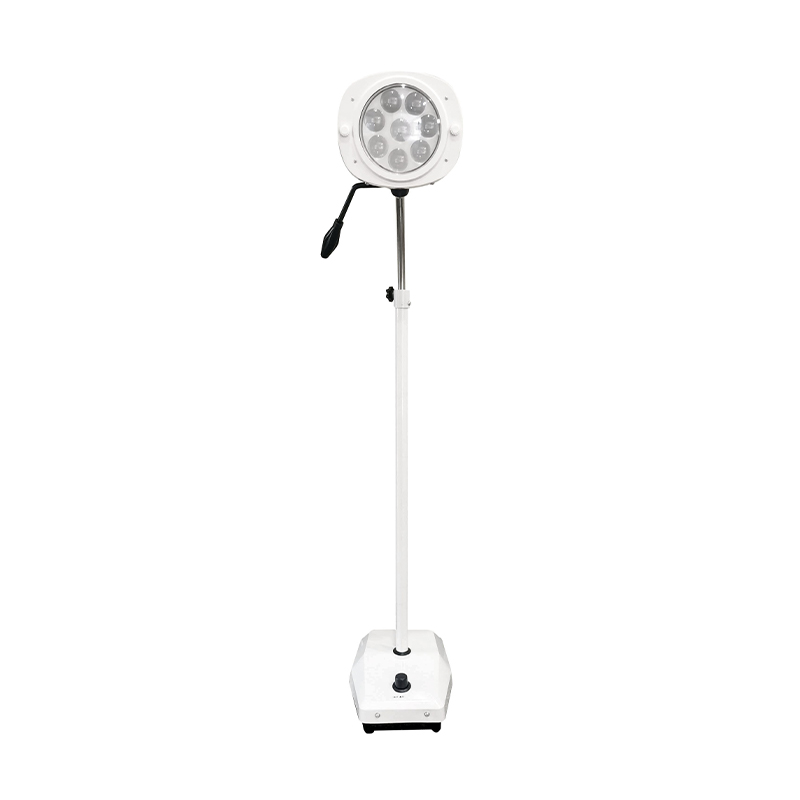
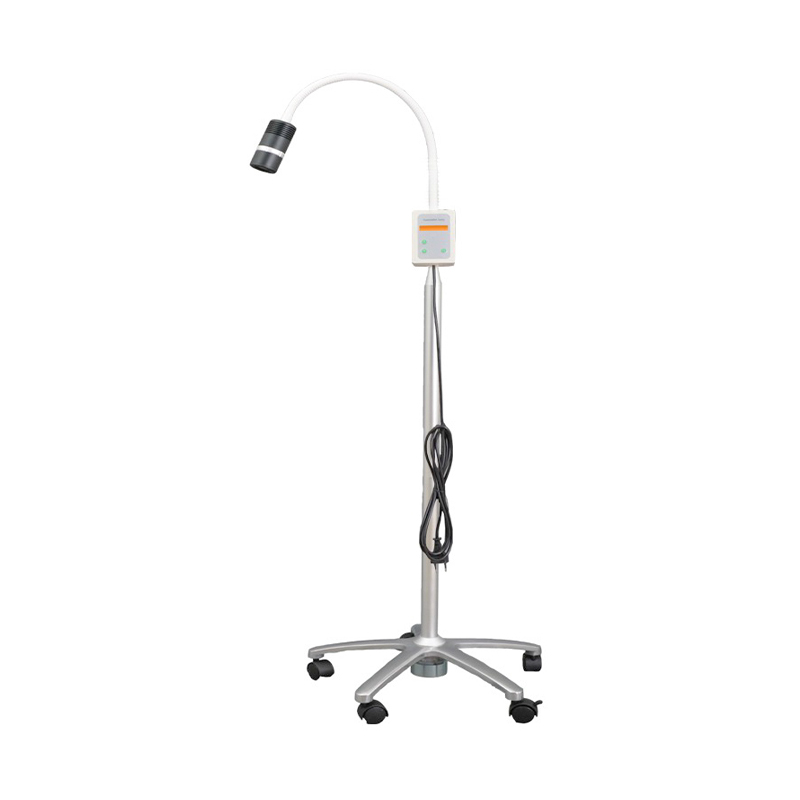
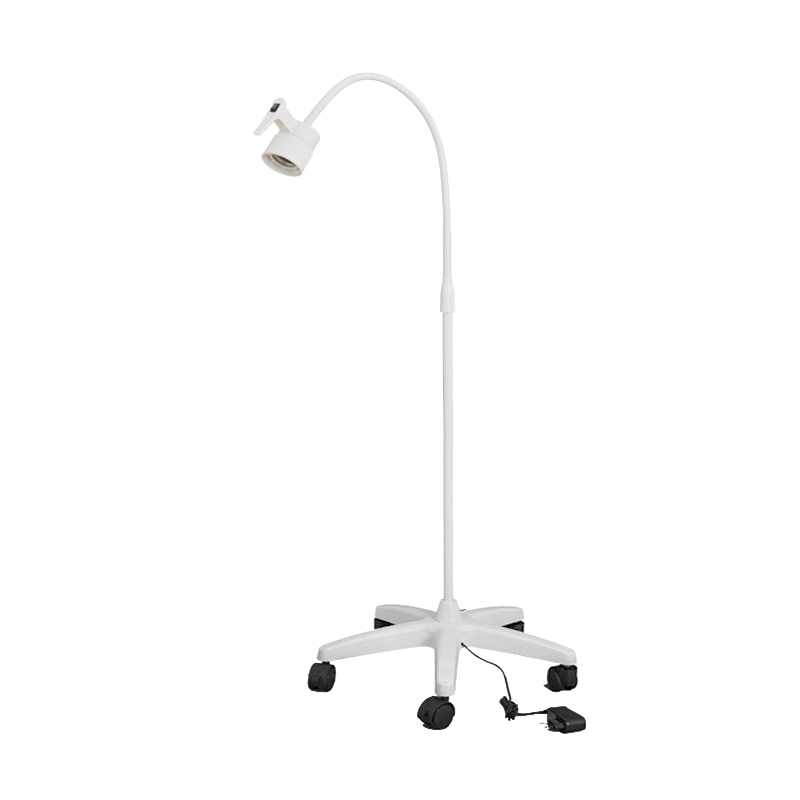
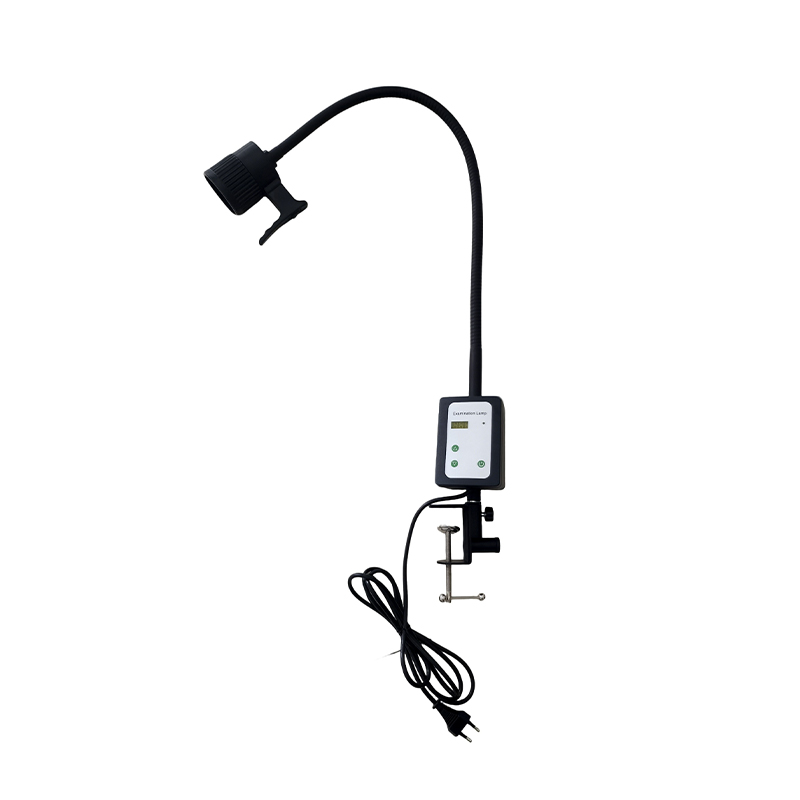
A UV lamp sterilizer trolley is a mobile, wheeled disinfection unit equipped with UVC germicidal lamps — typically emitting at a wavelength of 253.7 nm, which corresponds to the peak absorption point of microbial DNA. At this wavelength, UVC radiation penetrates the cell walls of bacteria, viruses, and fungi, disrupting their DNA and preventing replication. The result is rapid, chemical-free inactivation of pathogens on surfaces and in the air.
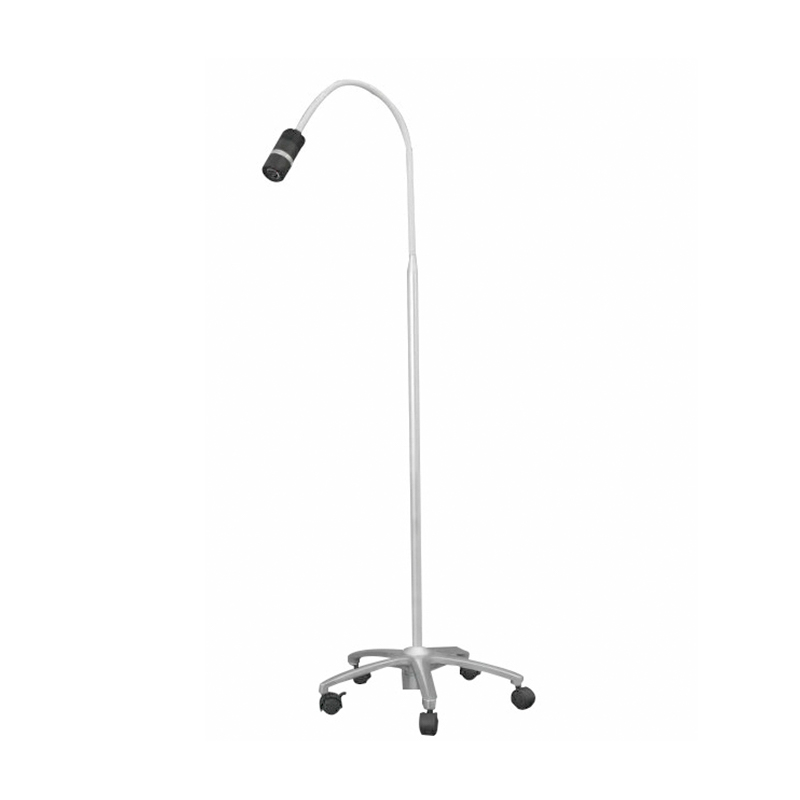
Unlike fixed UV installations, the trolley configuration allows healthcare staff to move the unit freely between operating rooms, wards, treatment rooms, and corridors — providing flexible, targeted disinfection wherever it is needed. Facilities such as JYJ Medical (jyjsf.com) offer UV lamp sterilizer trolleys specifically designed for hospital-grade disinfection, with stainless steel construction, programmable timers, and motion-sensor safety shutoffs to protect personnel during operation.
UVC irradiation at 253.7 nm is effective against a broad spectrum of healthcare-associated pathogens, including:
Research published in peer-reviewed literature shows that SARS-CoV-2 requires only 1.2–1.8 mJ/cm² of UVC exposure for a 90% reduction in viral load, and that C. difficile spores can be nearly fully inactivated with a surface dose of approximately 2,200 mJ/cm² over 20 minutes — underscoring the genuine clinical power of UV lamp sterilizer trolleys in infection prevention.
The mobility of a UV lamp sterilizer trolley is its defining advantage. A single unit can serve multiple clinical environments within one facility, making it highly cost-effective. Common deployment locations include:
Surgical theaters require the highest level of environmental sterility. UV lamp sterilizer trolleys are deployed before and after procedures to neutralize airborne and surface-level pathogens that manual cleaning may miss. The trolley can be rolled into position, set for a timed cycle, and activated while the room is unoccupied between surgical cases.
High-touch surfaces — bed rails, bedside tables, monitoring equipment, nurse call buttons — are common vectors for cross-contamination. A UV sterilizer trolley supplements routine manual cleaning in these high-risk areas, targeting residual pathogens after visible dirt has been removed.
High-traffic emergency zones with a continuous flow of patients and staff present elevated infection risks. UVC trolleys can disinfect exam rooms, check-in stations, and shared seating areas between patient encounters, helping to reduce the microbial burden in these densely used spaces.
UV lamp sterilizer trolleys are widely used in clinical and research laboratories to disinfect work benches, biosafety cabinets, culture preparation areas, and tissue culture hoods between experiments, reducing cross-contamination risk.
Moist, frequently used spaces such as restrooms and linen storage areas can accumulate significant microbial loads. UVC trolleys can be programmed to disinfect these areas during off-peak hours, providing continuous environmental hygiene management without disrupting hospital operations.
| Feature | Autoclave | Chemical Sterilizer | UV Lamp Sterilizer Trolley |
|---|---|---|---|
| Mobile / portable | No (fixed unit) | No (fixed or benchtop) | Yes |
| Air disinfection | No | No | Yes |
| Surface disinfection (room-wide) | No | Partial (manual application) | Yes |
| Chemical residue | None | Requires thorough rinsing | None |
| Safe for heat-sensitive materials | No | Yes | Yes |
| Safe for metal instruments | Yes | Risk of corrosion | Yes (metals reflect UVC) |
| Cycle time | 15–60 minutes | 30 min – 12 hours | Programmable: minutes to 2 hours |
Operating a UV lamp sterilizer trolley requires adherence to a defined protocol to ensure both effective disinfection and personnel safety. UVC light is harmful to unprotected skin and eyes and must never be used in occupied rooms without proper safeguards.
The built-in motion sensor found on professional UV lamp sterilizer trolleys provides an important safety layer: if someone inadvertently enters the treatment area during operation, the unit automatically suspends the UV cycle and resumes once the area is clear again.
Some surgical instruments — most notably flexible endoscopes and fiber-optic components — cannot survive the high-temperature cycles of an autoclave. For these, chemical sterilization or high-level disinfection via liquid sterilants is the approved method. Common sterilants and their contact requirements include:
Chemical sterilizers require thorough rinsing of instruments with sterile water after each cycle to remove toxic residues — a step that adds processing time and must not be skipped.
There is no single machine that covers every sterilization need in a modern healthcare facility. The right choice — or more accurately, the right combination — depends on several factors:
Metal surgical instruments, implants, and heat-stable devices are best processed in a steam autoclave. Heat-sensitive instruments require chemical sterilization. For surface and air decontamination throughout the facility, a UV lamp sterilizer trolley fills the gap that no instrument-focused sterilizer can address.
Busy surgical centers with high daily instrument turnover need large-capacity autoclaves in a central sterile processing department. A UV lamp sterilizer trolley, by contrast, addresses environmental sterility across many rooms simultaneously — a single mobile unit can service an entire floor during off-peak hours.
Facilities focused on reducing hospital-acquired infections (HAIs) should implement UV lamp sterilizer trolleys as a supplementary disinfection layer. Research consistently shows that combining standard cleaning protocols with UVC irradiation achieves meaningfully lower surface pathogen counts than manual cleaning alone. A comprehensive review published in the Journal of Hospital Infection found that the combination of continuous UVC with other UV systems achieved up to a 70% reduction in infection rates for difficult pathogens such as C. difficile.
UV lamp sterilizer trolleys require no chemical consumables and have a lamp life typically exceeding 1,000 operating hours, making them operationally cost-effective after the initial capital investment. They require no fixed installation, no plumbing, and no dedicated room — a significant advantage for facilities with limited space or infrastructure constraints.
Dry heat sterilizers use circulating hot air — without steam — to sterilize instruments that would be damaged by moisture. They are commonly used for glassware, sealed metal instruments, oils, and powders that cannot be steam-sterilized. Dry heat cycles typically operate at temperatures between 160°C and 180°C, with cycle times significantly longer than steam autoclaves. While effective, dry heat sterilizers are slower and less penetrative than steam, making them a secondary rather than primary sterilization method in most surgical environments.
 We have specialised in medical devices for 32 years.
Contact Us
 No 48 Xiaokan Rd, Shizhuang town, Jiangyin, Jiangsu, China
 sara@jsf-qx.com
 +86-18915253915
 +86-18861287595
+86-18915253915
+86-18861287595
+86-18915253915
Copyright @ Jiangyin Jianshifu Equipment Co.,Ltd.
 Custom Disinfection Equipment Manufacturers
China Disinfection Equipment Factory
Custom Disinfection Equipment Manufacturers
China Disinfection Equipment Factory
The information provided on this website is intended for use only in countries and jurisdictions outside of the People's Republic of China.


 English
  عربى
عربى