By Admin
Content
Operating Light require a structured maintenance schedule to ensure consistent performance and patient safety. High-quality LED surgical lights should undergo daily surface disinfection between cases, weekly functional inspections, and comprehensive professional calibration at least annually. Facilities should also perform monthly illuminance level checks using a calibrated lux meter to verify that light output remains within manufacturer specifications.
Daily protocols include disinfecting all high-touch surfaces—particularly handles, control panels, and adjustment joints—using manufacturer-approved agents. Weekly inspections should cover mechanical articulation, electrical connections, and seal integrity. Annual professional maintenance must include calibration of light intensity, color temperature verification, and suspension system safety testing to comply with IEC 60601-2-41 requirements.
| Frequency | Task | Purpose |
|---|---|---|
| Between cases | Surface disinfection of handles and housing | Prevent healthcare-associated infections |
| Daily | Visual inspection for damage or contamination | Early detection of wear or fluid ingress |
| Weekly | Check articulation arms and electrical connections | Ensure mechanical stability and electrical safety |
| Monthly | Lux meter verification of illuminance output | Confirm light intensity meets procedure requirements |
| Annually | Professional calibration and safety certification | Compliance with IEC 60601-2-41 standards |
High-quality LED surgical lights typically deliver 50,000 to 100,000 hours of operational life, which translates to approximately 5.7 to 11.4 years of continuous 24-hour use. In practical surgical settings where lights operate 8 hours per day, 5 days per week, this lifespan can extend to 25–50 years before significant degradation occurs.
This represents a dramatic improvement over legacy technologies: halogen bulbs last only 2,000–4,000 hours, while xenon lamps reach approximately 10,000 hours. LED systems not only reduce replacement frequency but also maintain more consistent color rendering and illuminance over time compared to halogen alternatives that experience rapid lumen depreciation.
Key replacement indicators include noticeable dimming, color temperature shifts (appearing overly warm or cool), flickering, or failure to reach maximum intensity. Most modern LED surgical lights feature modular designs allowing individual LED panel replacement rather than full fixture disposal, reducing long-term costs.
Even well-maintained surgical lights can develop issues that compromise surgical precision. Understanding these problems enables rapid response and minimizes OR downtime.
Shadow formation remains the most reported problem, often caused by improper positioning or failure of multi-source shadow-dilution systems. Ensure lights are positioned to create overlapping fields, and verify that all LED arrays are functioning—single-point failures in multi-reflector systems can create noticeable shadows.
Flickering or intermittent output typically indicates power supply instability, loose electrical connections, or driver board malfunction. This requires immediate attention as flicker can cause surgeon fatigue and compromise visual acuity during delicate procedures.
Articulation arm drift—where the light head slowly moves from its set position—often results from worn friction brakes or gas spring degradation. IEC 60601-2-41:2021 specifically requires acceptable drift limits for lightheads attached to suspension systems, making this both a performance and compliance issue. Control panel unresponsiveness may stem from moisture ingress, particularly in high-humidity environments, emphasizing the importance of IP-rated enclosures.
While LEDs generate significantly less heat than halogen systems, blocked ventilation or dust accumulation on heat sinks can cause thermal protection shutdowns. Modern LED surgical lights should maintain a temperature rise below 1°C at a distance of 1 meter to prevent tissue drying during prolonged procedures.
Surgical lights must be disinfected between every procedure and undergo thorough terminal cleaning at day's end to maintain sterile field integrity and prevent healthcare-associated infections. As non-critical surfaces (they do not contact sterile tissue directly), surgical lights require intermediate-level disinfection using EPA-registered or manufacturer-approved agents.
After each operation, clean and disinfect all furniture or equipment that may have become soiled, including surgical light handles, control panels, and housing surfaces within arm's reach of the sterile field. Use soft, lint-free cloths to prevent scratching optical lenses or antimicrobial coatings.
End-of-day terminal cleaning requires a systematic top-to-bottom approach. Disinfect walls, doors, light fixtures, and ventilation grates. Inspect seals and gaskets to ensure they remain intact and dust-free, as compromised seals allow fluid ingress that can damage LED drivers and electrical components. Modern LED surgical lights with IP44-rated enclosures and seamless, antimicrobial-coated housings significantly simplify this process while enhancing durability.
Validation of cleaning effectiveness should include ATP bioluminescence testing or UV marker verification on high-touch surfaces such as surgical light handles to ensure thorough decontamination.
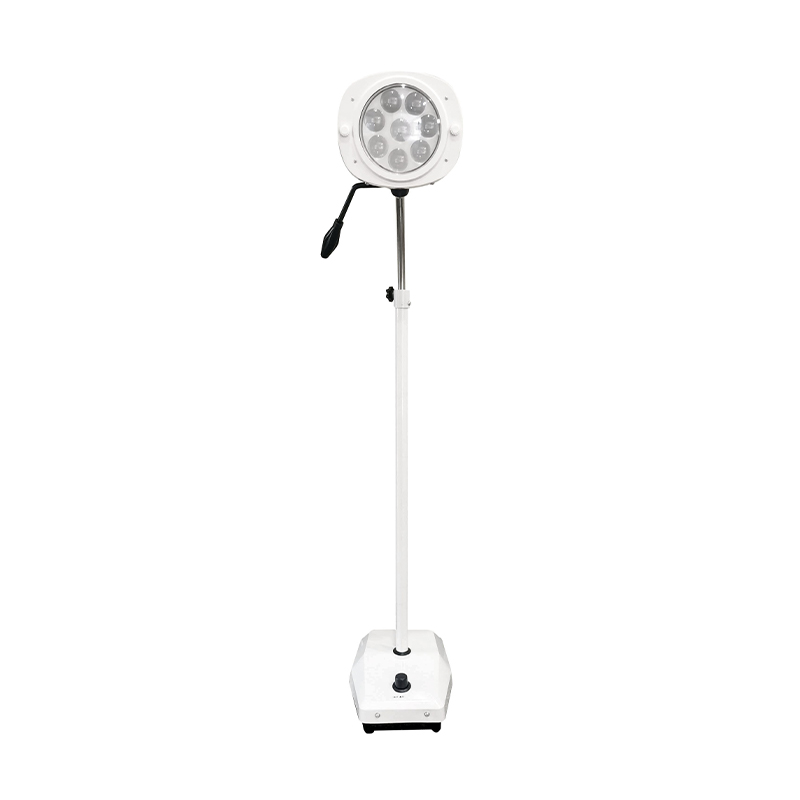
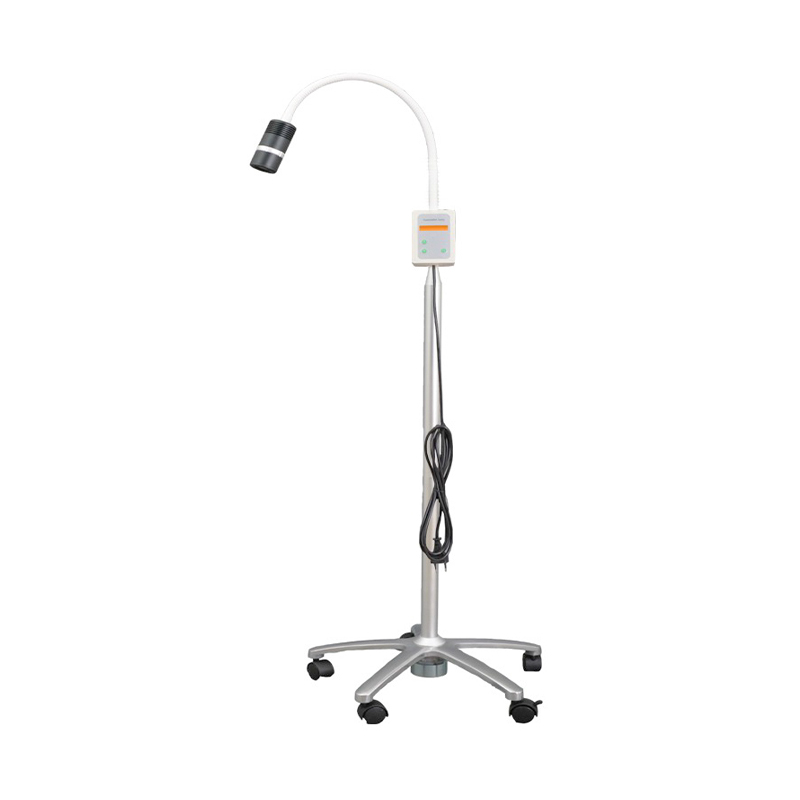
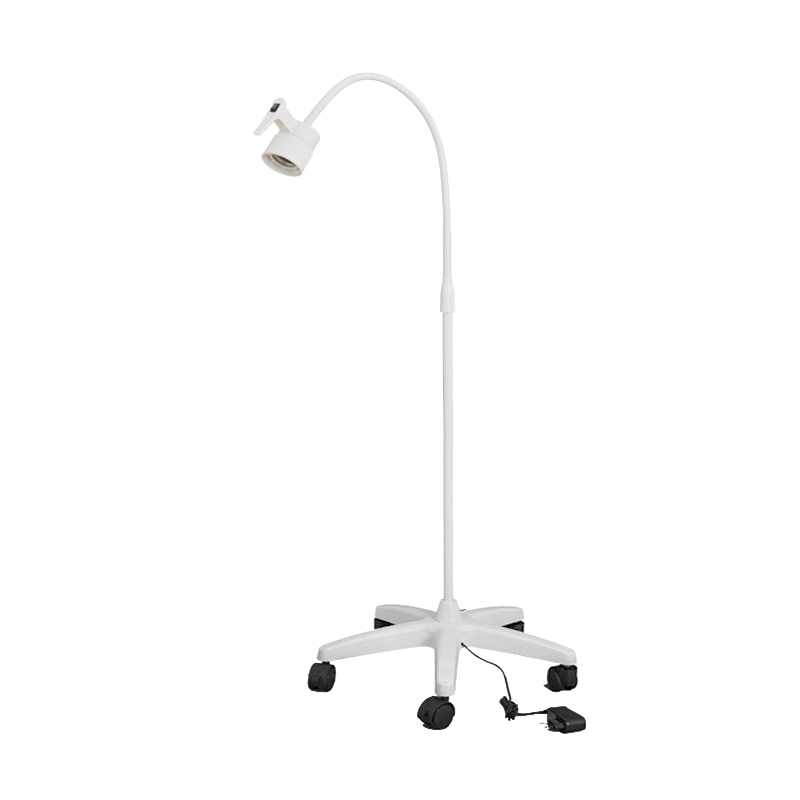
The choice between overhead ceiling-mounted systems and portable mobile units depends on surgical volume, room configuration, and capital investment capacity. For dedicated operating rooms performing frequent procedures, ceiling-mounted LED surgical lights are the clinical standard due to superior stability, positioning range, and integration capabilities.
| Feature | Ceiling-Mounted | Portable/Mobile |
|---|---|---|
| Stability | Excellent—fixed mounting eliminates drift | Moderate—casters may shift during procedures |
| Positioning Range | Full articulation via spring-balanced arms | Limited by base footprint and arm length |
| Illuminance Output | Up to 160,000 lux | Typically 60,000–80,000 lux |
| Installation Cost | $8,000–$40,000+ with structural support | $2,000–$5,000 with no installation |
| Best Application | Dedicated ORs, complex surgery | Emergency rooms, outpatient clinics, backup use |
Ceiling-mounted systems often integrate with surgical booms that consolidate power, data, and gas lines, reducing floor clutter and improving workflow. However, they require structural ceiling reinforcement and professional installation, making them less suitable for temporary or multi-purpose spaces.
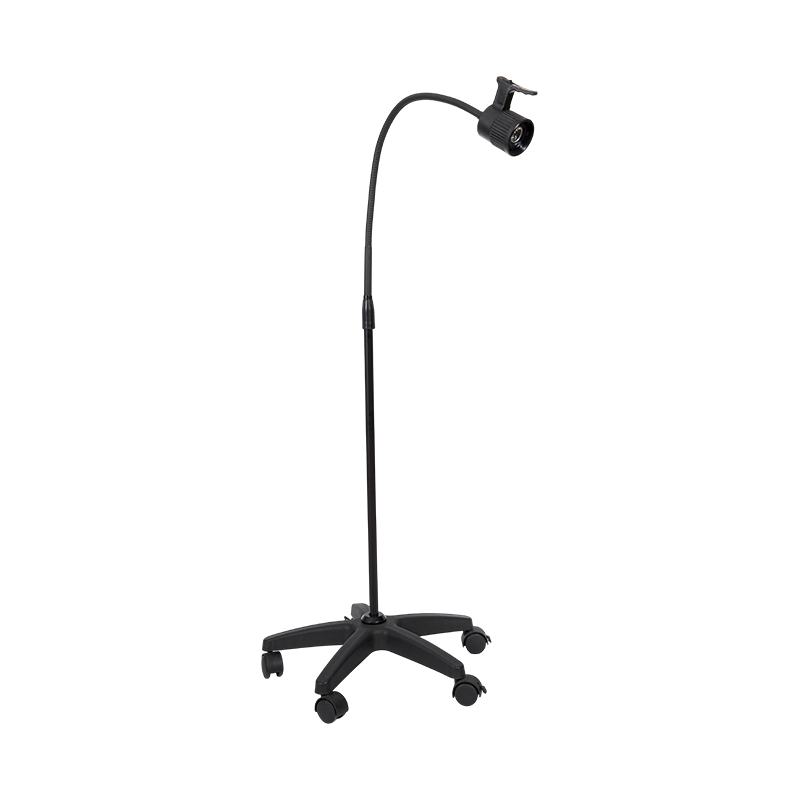
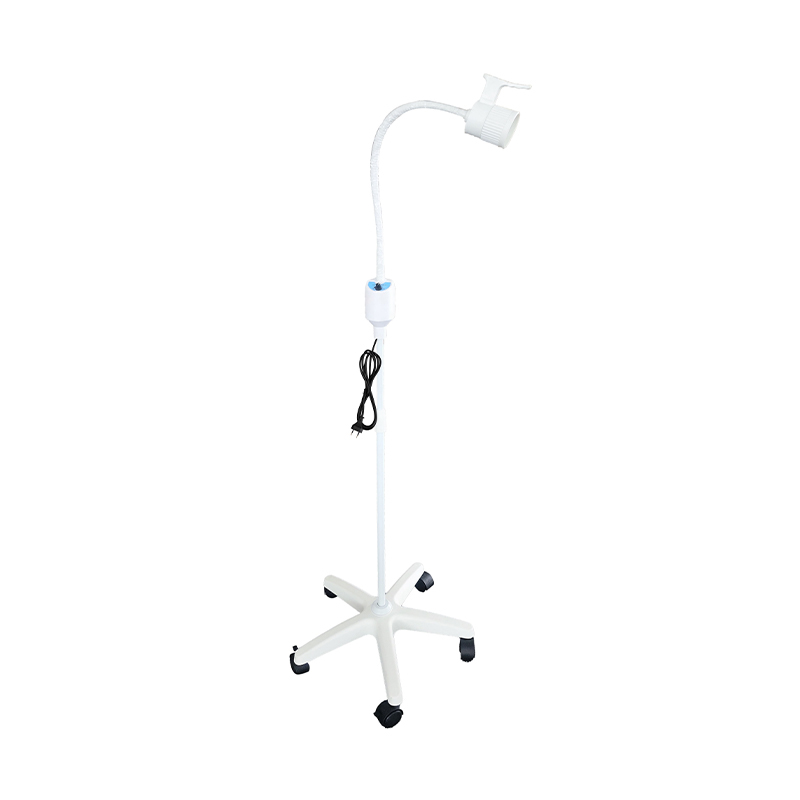
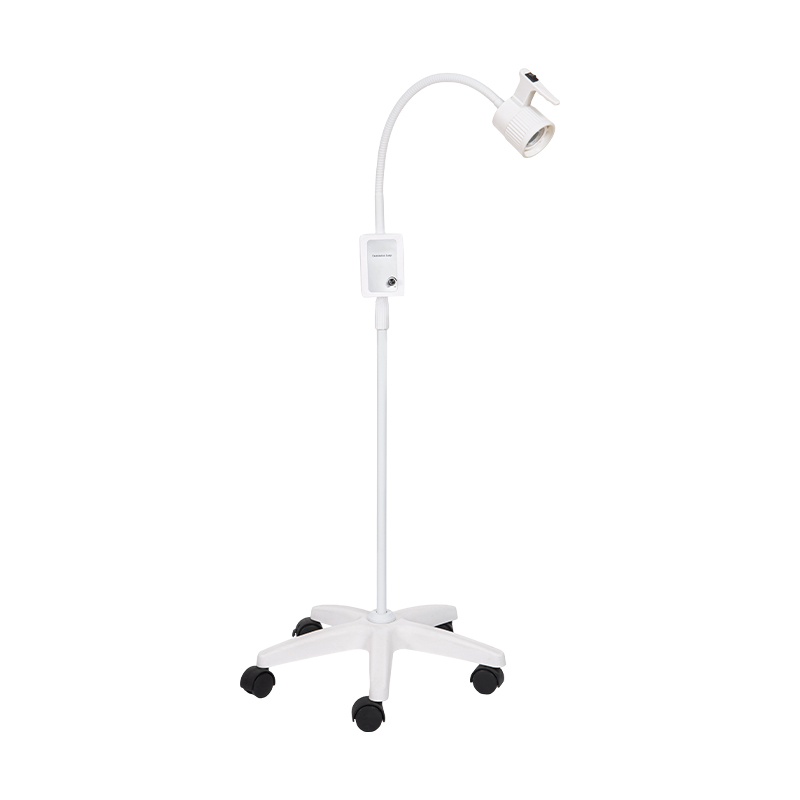
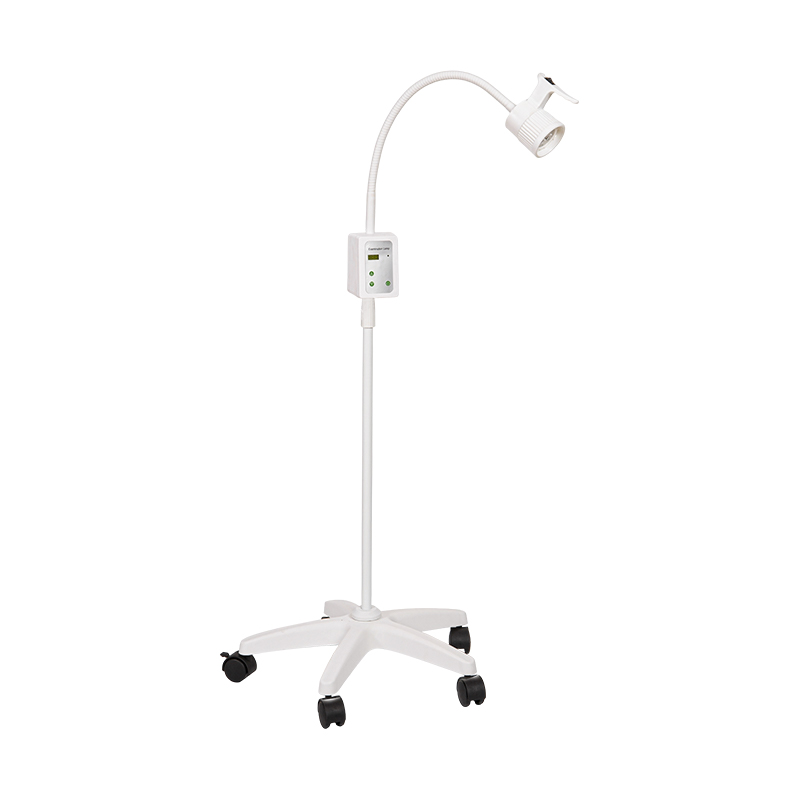
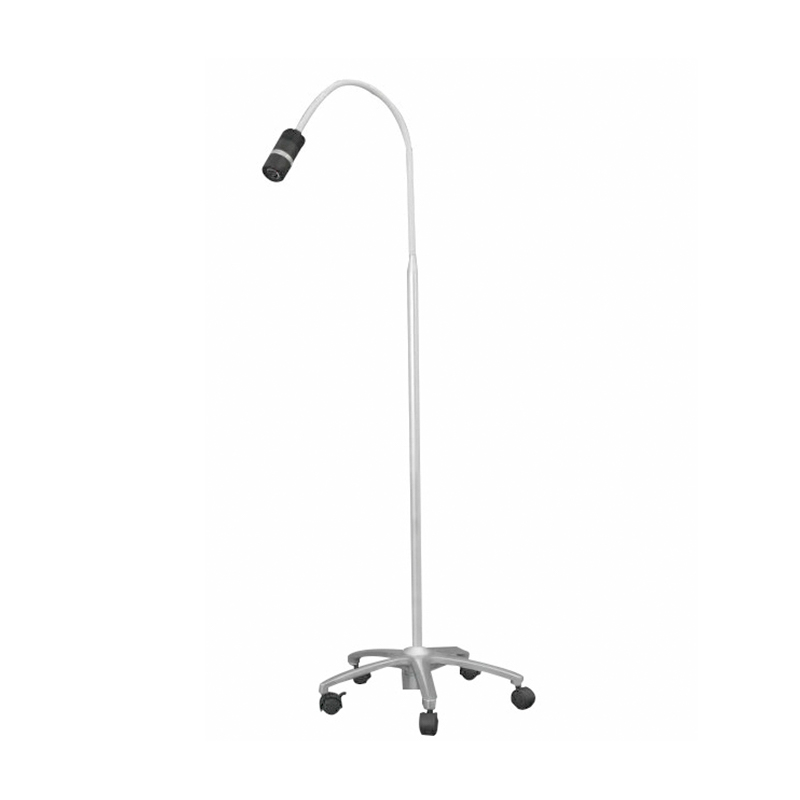
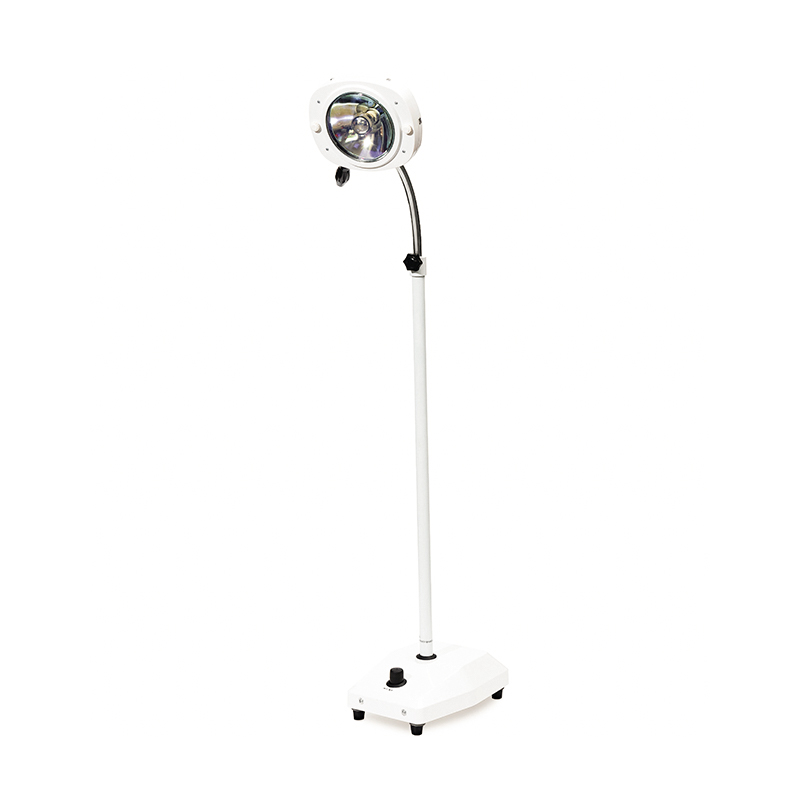
Portable units provide essential flexibility for emergency departments, field hospitals, disaster response units, and clinics with limited space. They serve as valuable backup systems during primary light maintenance or unexpected failures. The key limitation is reduced stability and lower maximum illuminance compared to ceiling-mounted counterparts.
Small surgical centers should prioritize LED-based systems with CRI ≥95, adjustable illuminance from 30,000 to 100,000 lux, and modular designs that accommodate future growth. Budget constraints often drive decisions, but focusing solely on purchase price rather than total cost of ownership can result in higher long-term expenses.
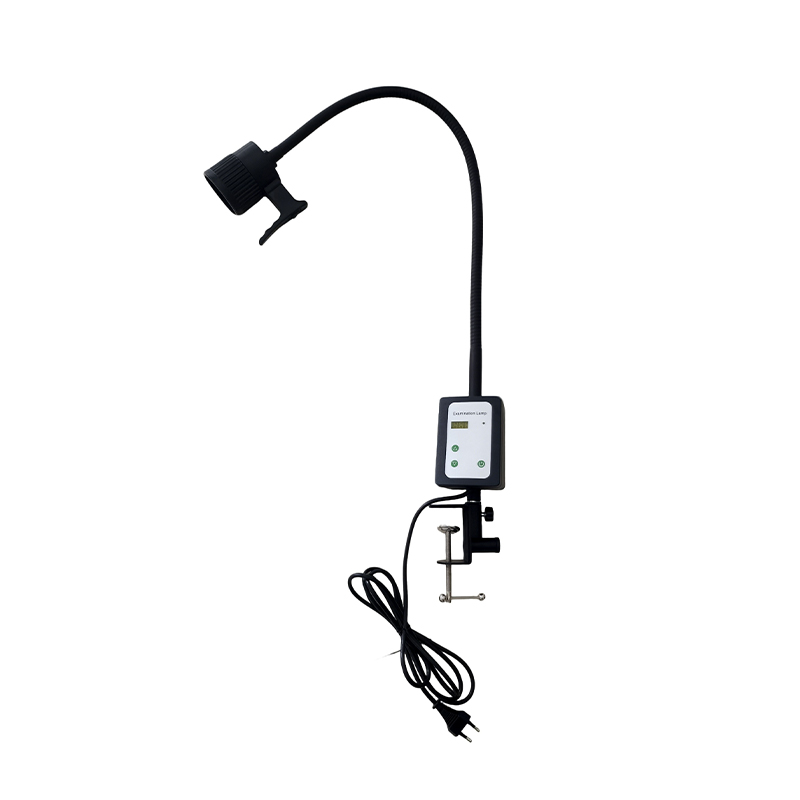
Entry-level mobile LED units range from $2,000–$5,000, while mid-range ceiling-mounted systems cost $8,000–$15,000. Premium integrated boom systems exceed $20,000. For small centers performing fewer than 10 procedures weekly, a mobile unit paired with a wall-mounted supplementary light may provide optimal cost-effectiveness without compromising clinical capability.
All surgical lights must comply with IEC 60601-2-41:2021 (Edition 3), the international standard governing basic safety and essential performance of surgical luminaires. This standard supersedes the 2009 edition and introduces critical updates including photobiological hazard exposure limits, fluid ingress protection requirements, and revised shadow dilution measurement protocols.
The standard mandates specific performance thresholds that directly impact patient and staff safety:
Installation requires qualified personnel and must account for structural load requirements. Ceiling-mounted systems typically weigh 50–150 kg and require reinforced mounting points capable of supporting dynamic loads during arm articulation. Electrical installation must include proper grounding, leakage current testing per IEC 60601-1, and verification that electromagnetic compatibility standards are met to prevent interference with patient monitors and imaging equipment.
In the United States, surgical lights are classified as Class II medical devices requiring FDA 510(k) clearance. European installations must display CE marking under the Medical Device Regulation (MDR). Post-installation, facilities must establish quality assurance programs including annual electrical safety testing and illuminance verification, to maintain compliance and ensure continuous safe operation.
Professional calibration and safety inspection should occur annually at minimum, with monthly illuminance checks performed in-house. High-volume facilities may require semi-annual professional service.
Most modern LED surgical lights feature modular designs allowing individual LED panel or driver replacement. This modularity significantly reduces lifetime costs compared to legacy systems requiring complete fixture replacement.
Use only manufacturer-approved disinfectants—typically 70% isopropyl alcohol or quaternary ammonium compounds. Avoid bleach concentrations above manufacturer recommendations and never use abrasive cleaners on optical surfaces.
Yes, portable surgical lights must comply with the same IEC 60601-2-41 standards. However, they may offer lower maximum illuminance and reduced shadow-dilution capability compared to premium ceiling-mounted systems.
A CRI of 95 or higher is recommended for accurate tissue color differentiation. Values below 90 may compromise the surgeon's ability to distinguish between healthy and ischemic tissue.
 We have specialised in medical devices for 32 years.
Contact Us
 No 48 Xiaokan Rd, Shizhuang town, Jiangyin, Jiangsu, China
 sara@jsf-qx.com
 +86-18915253915
 +86-18861287595
+86-18915253915
+86-18861287595
+86-18915253915
Copyright @ Jiangyin Jianshifu Equipment Co.,Ltd.
 Custom Disinfection Equipment Manufacturers
China Disinfection Equipment Factory
Custom Disinfection Equipment Manufacturers
China Disinfection Equipment Factory
The information provided on this website is intended for use only in countries and jurisdictions outside of the People's Republic of China.


 English
  عربى
عربى