By Admin
Content
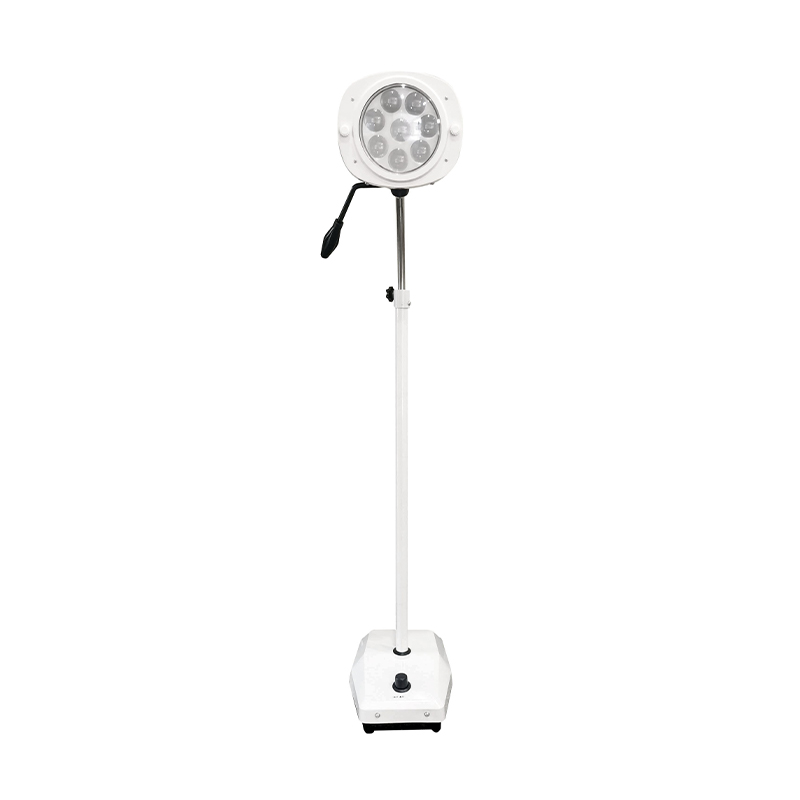
Effective surgery lighting depends on three measurable factors: illuminance at the surgical site, color rendering accuracy, and shadow control. A quality operating light should deliver between 40000 and 160000 lux at the incision area, maintain a color rendering index above 95, and use multiple LED sources arranged to minimize shadowing from the surgeon's hands and instruments. LED based operating light systems have become the standard choice because they meet all three requirements while generating minimal heat at the surgical field.
Surgery lighting is not simply about brightness. Poor illumination at the surgical site increases the likelihood of visual fatigue, misjudged tissue color, and delayed recognition of bleeding, all of which can extend procedure time and increase risk. A properly specified operating light addresses these concerns by combining high intensity output with color accuracy close to natural daylight conditions.
Modern operating light systems also need to manage heat carefully, since traditional halogen fixtures historically generated significant thermal output at the surgical field, causing discomfort for the surgical team and potential tissue drying during extended procedures. LED operating light technology has largely resolved this issue, producing high lux output while keeping radiant heat at the surgical site significantly lower than legacy lighting systems.
Shadow dilution refers to how effectively an operating light compensates when an obstruction, such as a surgeon's head or instrument, blocks part of the light source. High quality surgery lighting uses multiple individually focused LED modules so that when one light path is blocked, the remaining modules continue illuminating the surgical field from different angles, preventing dark spots during critical moments of a procedure.
Surgery lighting systems vary significantly in configuration and output. The table below compares common operating light types found in hospitals and surgical centers today.
| Light Type | Typical Illuminance | Color Rendering Index | Best Use Case |
|---|---|---|---|
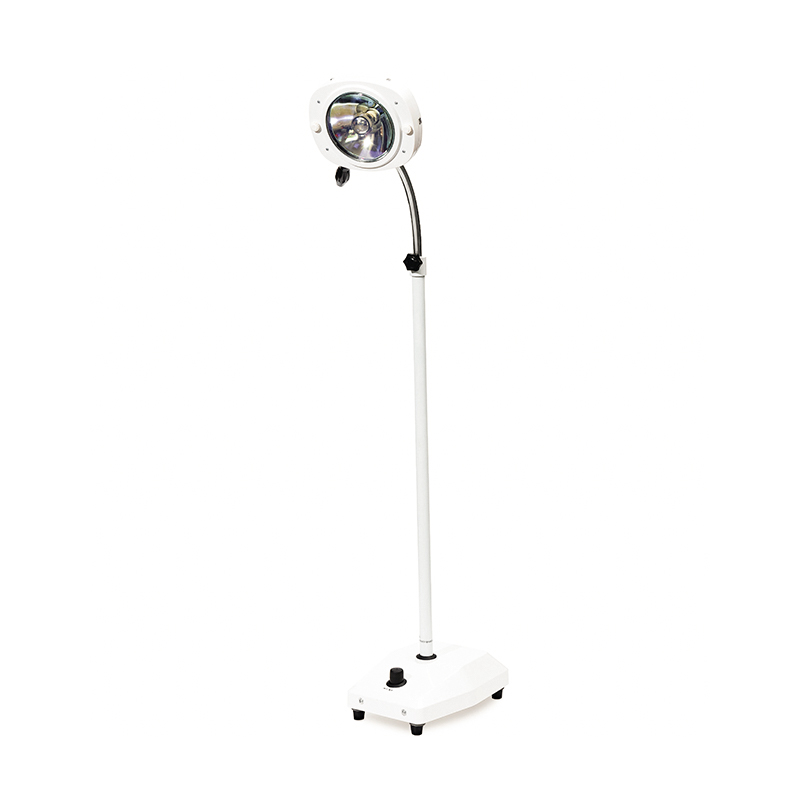
| Single Dome LED | 40000 to 100000 lux | 96 plus | General and outpatient surgery |
| Dual Dome LED | 100000 to 160000 lux | 96 plus | Cardiac and deep cavity procedures |
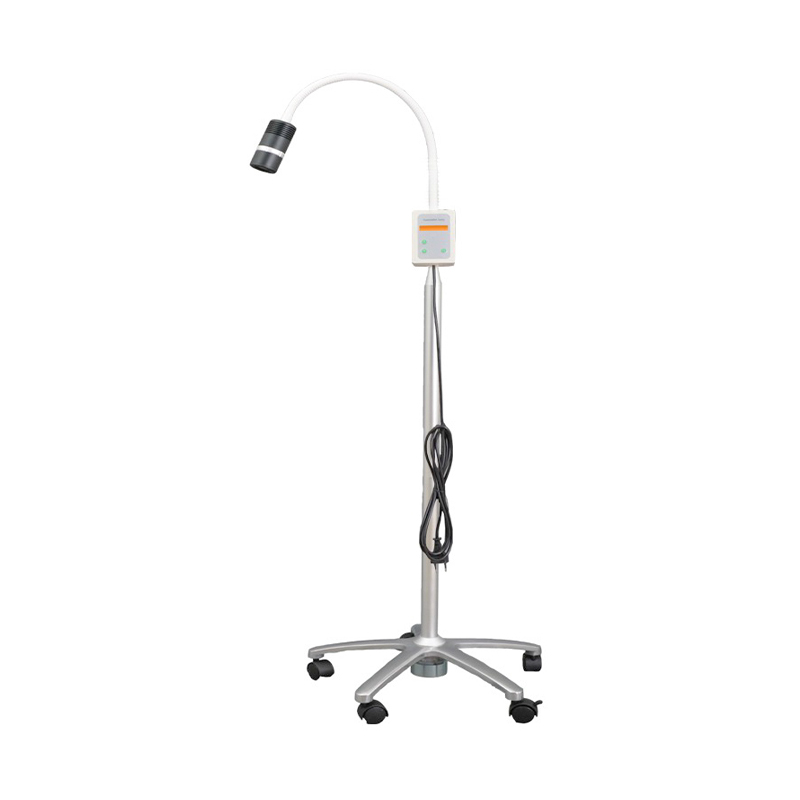
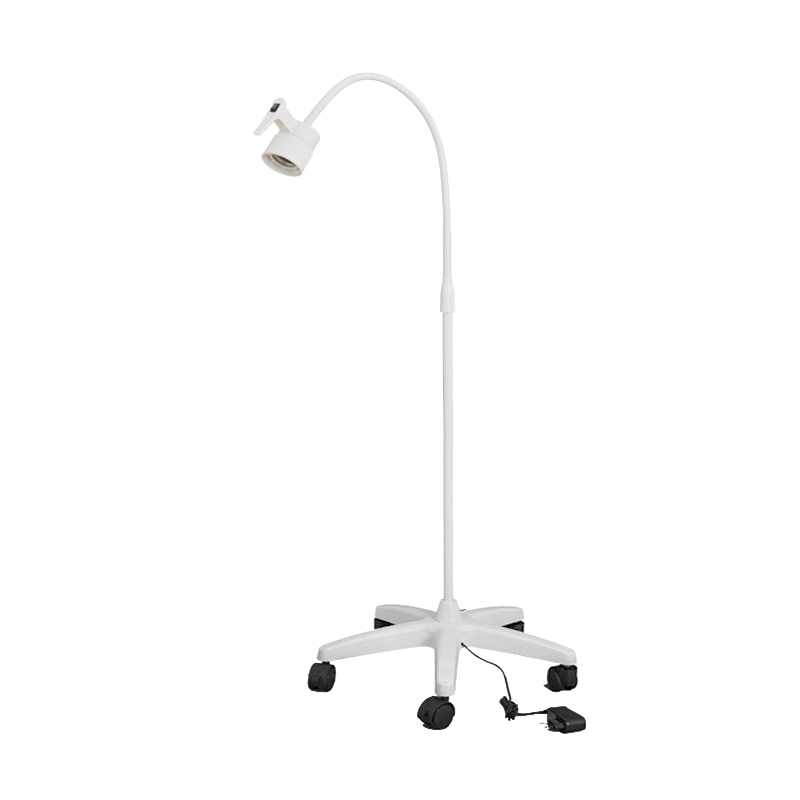
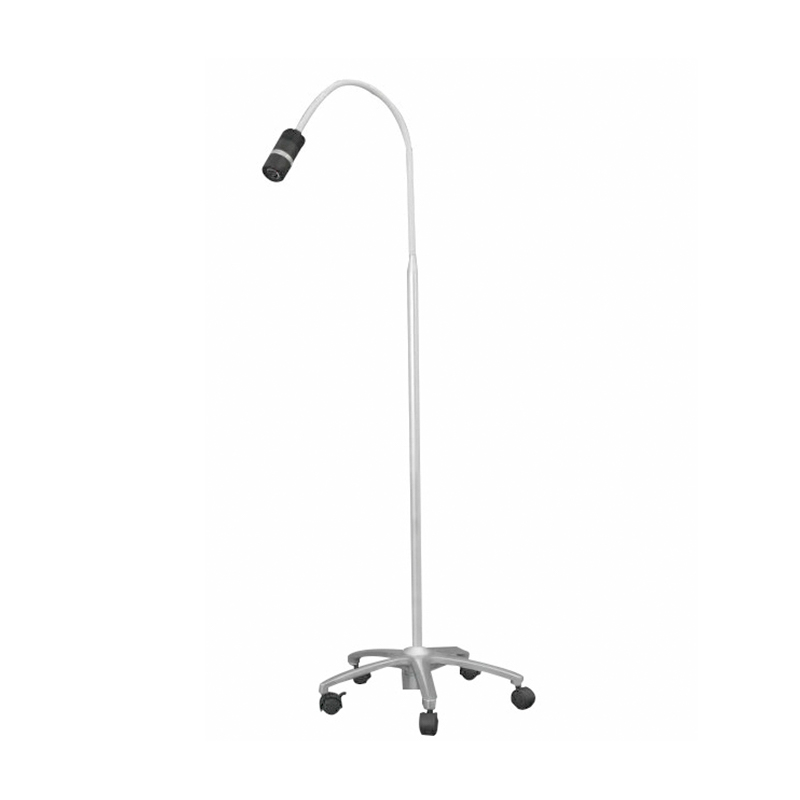
| Mobile LED Unit | 20000 to 60000 lux | 90 plus | Emergency rooms, minor procedure areas |
| Ceiling Mounted Halogen | 40000 to 80000 lux | 90 to 95 | Legacy installations, budget upgrades |
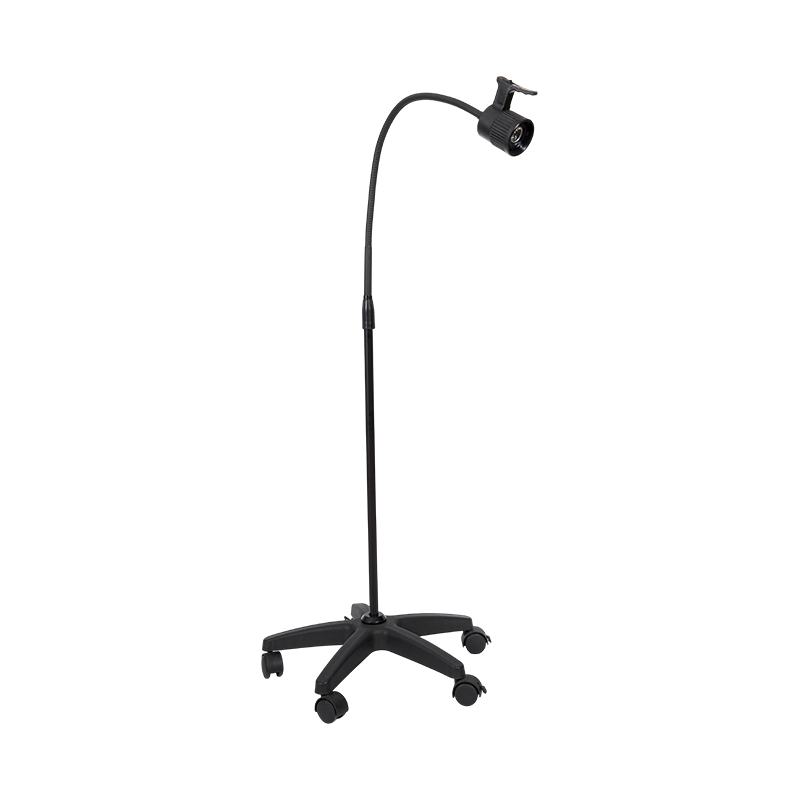
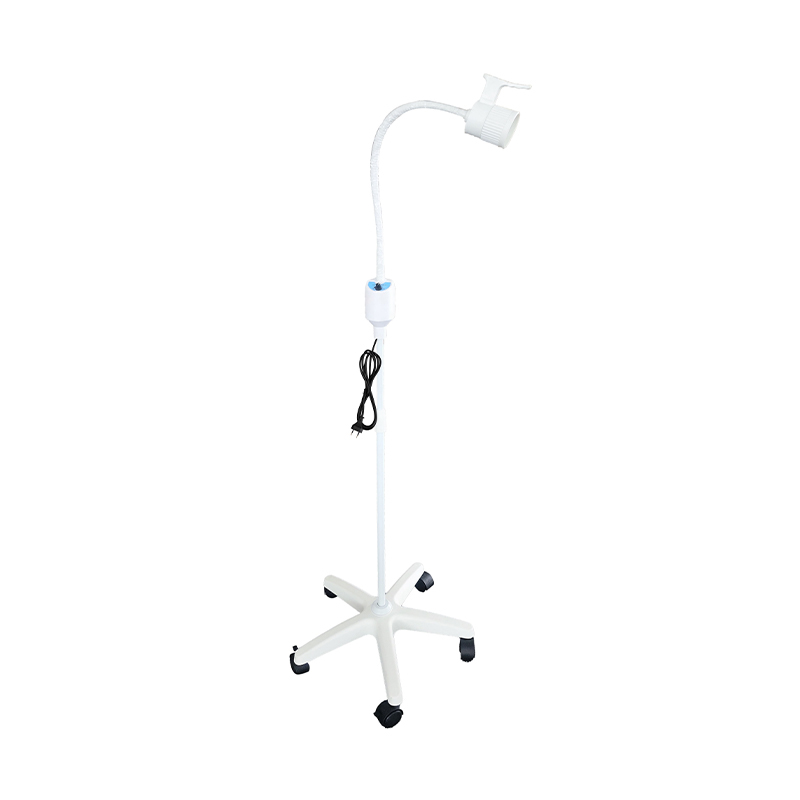
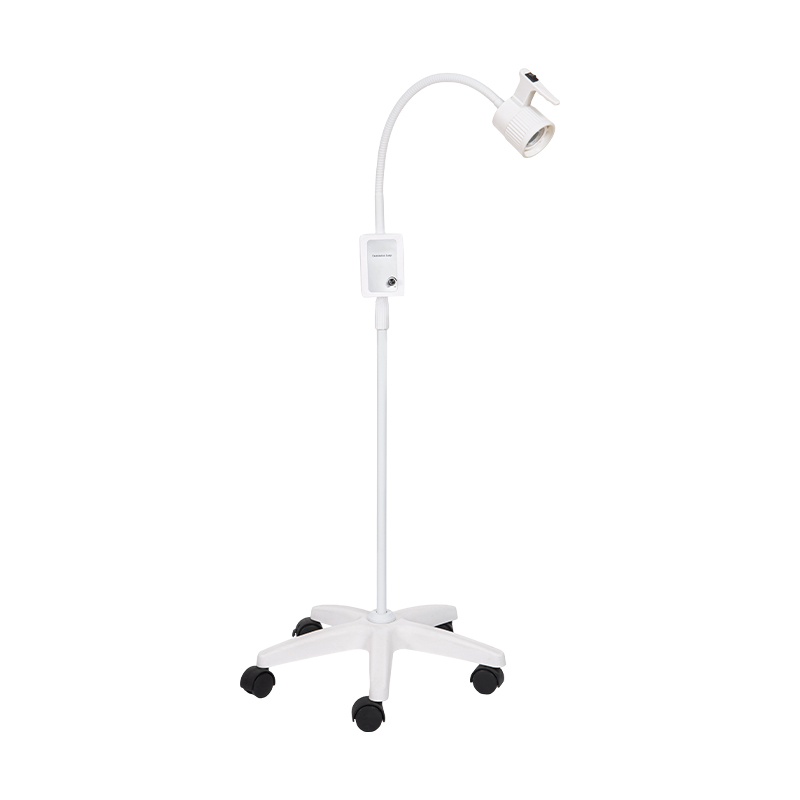
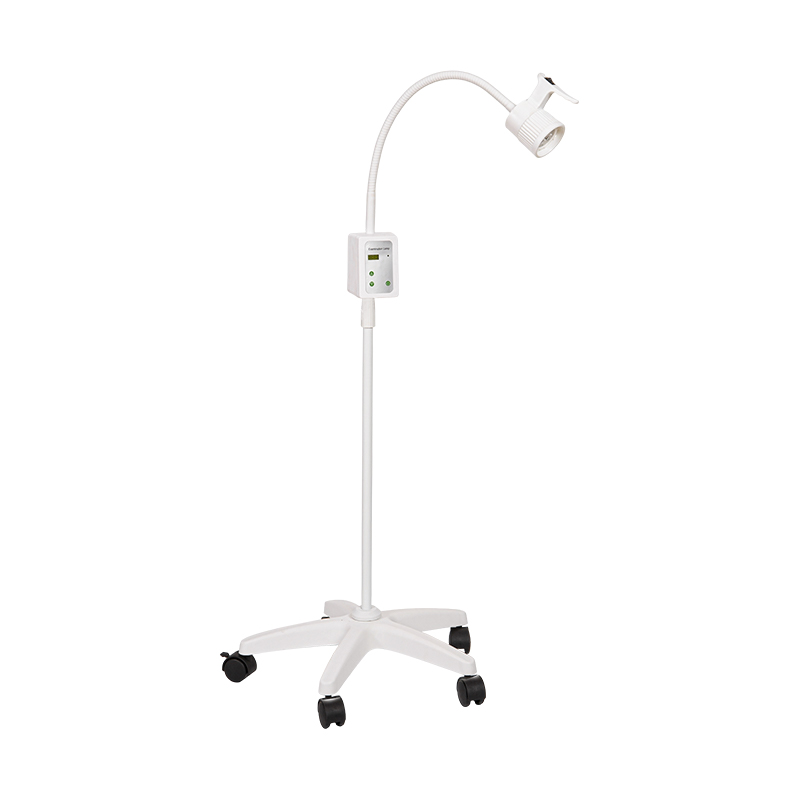
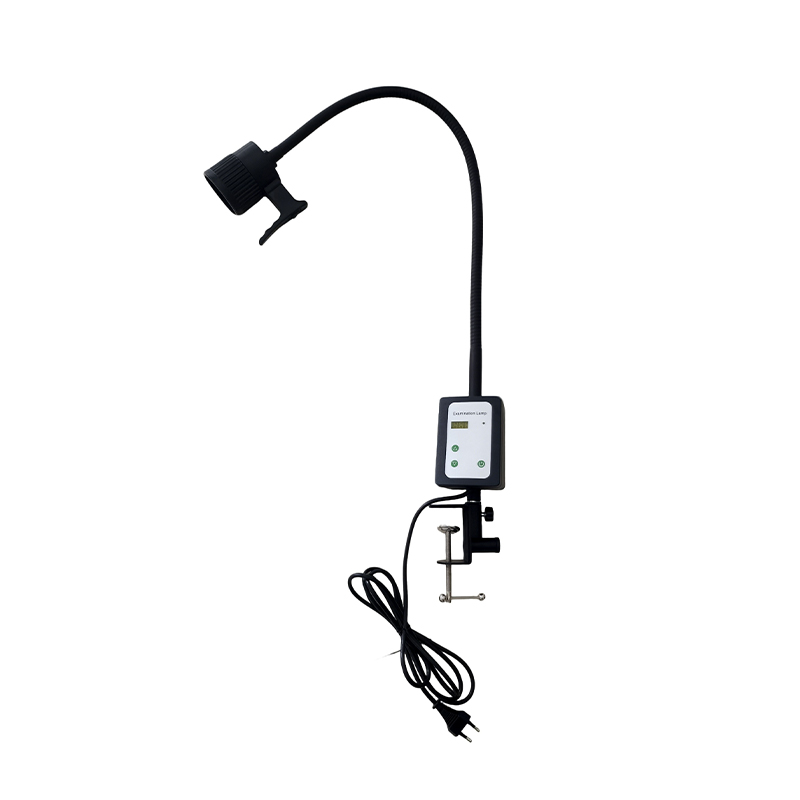
| Examination LED Light | 10000 to 30000 lux | 90 plus | Clinics, wound care, minor treatment |
Dual dome LED operating light systems remain the preferred configuration for complex procedures because the second light head compensates for shadowing when the primary dome is partially obstructed, a common occurrence during multi surgeon operations.
When comparing surgery lighting products, several technical specifications determine whether an operating light will perform reliably across different procedure types.
Illuminance at the surface is important, but depth illumination, meaning how well light penetrates 100mm below the surface into a cavity, matters equally for procedures involving deeper anatomical access. A well designed operating light maintains at least 80 percent of surface illuminance at this depth, ensuring consistent visibility throughout the procedure.
Adjustable color temperature, typically ranging from 3000K to 5000K, allows surgical teams to fine tune lighting for better tissue contrast depending on the procedure type. Warmer settings can improve visualization of vascular tissue, while cooler settings enhance contrast in general soft tissue work.
The ability to adjust the diameter of the illuminated field allows surgeons to focus light precisely on the working area without spilling excess brightness into peripheral areas, reducing glare and improving visual comfort during long procedures.
Choosing appropriate surgery lighting requires evaluating the types of procedures performed, room layout, and existing infrastructure before committing to a specific operating light configuration.
Clinical lighting studies have shown that surgical teams report measurably reduced eye fatigue when color rendering index exceeds 95, reinforcing why this specification should not be overlooked when comparing operating light options.
Proper installation and ongoing maintenance help surgery lighting systems maintain consistent performance throughout their operational lifespan.
Operating light products used in accredited medical facilities are expected to meet recognized technical standards that define minimum performance and safety requirements.
This international standard specifies particular safety requirements for medical electrical equipment used as examination and surgical luminaires, covering illuminance, color rendering, and thermal safety at the surgical field.
This standard addresses dental practitioner luminaires but is often referenced alongside general surgical lighting standards when evaluating illuminance consistency and glare control in clinical lighting fixtures.
When sourcing surgery lighting for a new build or facility upgrade, consistency in output specifications, documented compliance testing, and long term parts availability all factor into total lifecycle value beyond the initial purchase price. Requesting detailed photometric test data helps facilities confirm that a proposed operating light will meet actual clinical requirements rather than relying solely on marketed specifications.
Facilities managers should also verify serviceability, since average LED module lifespans exceeding 40000 hours reduce long term maintenance costs compared to older lighting technologies requiring frequent bulb replacement.
A manufacturer offering a complete range of operating light configurations, from single dome units for outpatient rooms to dual head systems for complex surgical suites, allows healthcare facilities to standardize lighting specifications across multiple rooms while working with one consistent source for equipment, documentation, and ongoing technical support.
 We have specialised in medical devices for 32 years.
Contact Us
 No 48 Xiaokan Rd, Shizhuang town, Jiangyin, Jiangsu, China
 sara@jsf-qx.com
 +86-18915253915
 +86-18861287595
+86-18915253915
+86-18861287595
+86-18915253915
Copyright @ Jiangyin Jianshifu Equipment Co.,Ltd.
 Custom Disinfection Equipment Manufacturers
China Disinfection Equipment Factory
Custom Disinfection Equipment Manufacturers
China Disinfection Equipment Factory
The information provided on this website is intended for use only in countries and jurisdictions outside of the People's Republic of China.


 English
  عربى
عربى