By Admin
Content
An operating room medical equipment list is not a universal spreadsheet. It is a category-by-category planning tool that must match the surgical specialties, case volume, room size, power supply, and infection-control workflow of a specific facility. The practical starting point is to organize the list around safety-critical functions first: surgical lighting, anesthesia, patient monitoring, suction, and air disinfection. Equipment that cannot be repaired quickly or stocked with consumables should be flagged before purchase, not after installation.
Use a functional framework instead of a simple brand list. Each category should answer a clinical question: how is the airway managed, how is the patient observed, how is the surgical field illuminated and kept clear, and how is the environment kept safe for both the patient and the surgical team.
| Category | Representative Equipment | Primary Purpose |
|---|---|---|
| Anesthesia and respiratory | Anesthesia machine, anesthesia cart, breathing circuits, ventilators, laryngoscopes, CO2 absorber | Deliver anesthesia, manage airway and ventilation |
| Patient monitoring | ECG monitor, pulse oximeter, capnograph, NIBP, temperature probe, defibrillator | Detect clinical changes before they become complications |
| Surgical table and positioning | Operating table, mattresses, arm boards, leg holders, straps | Provide required exposure, positioning, and patient safety |
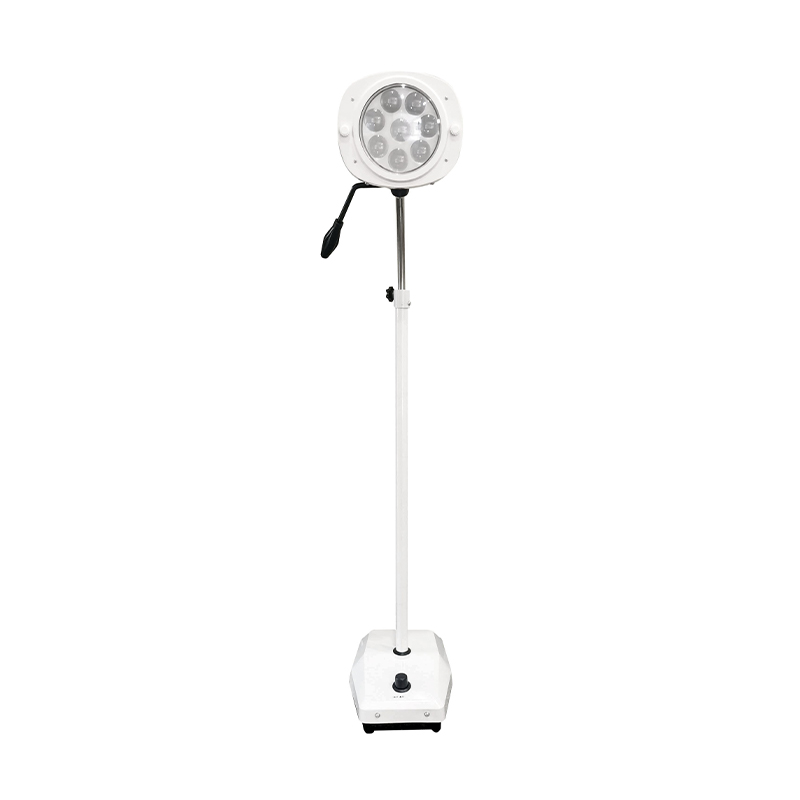
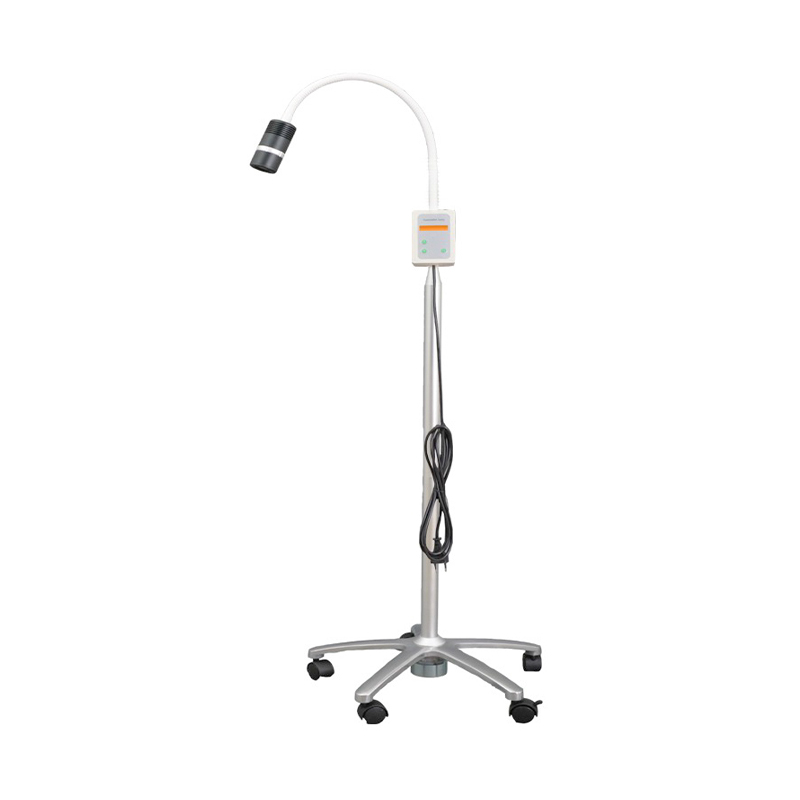
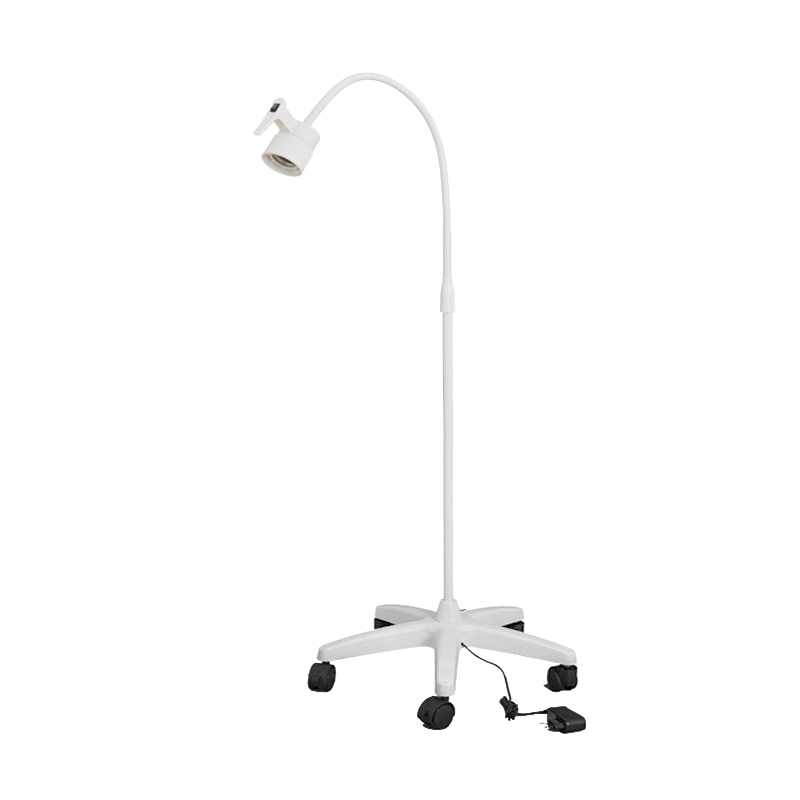
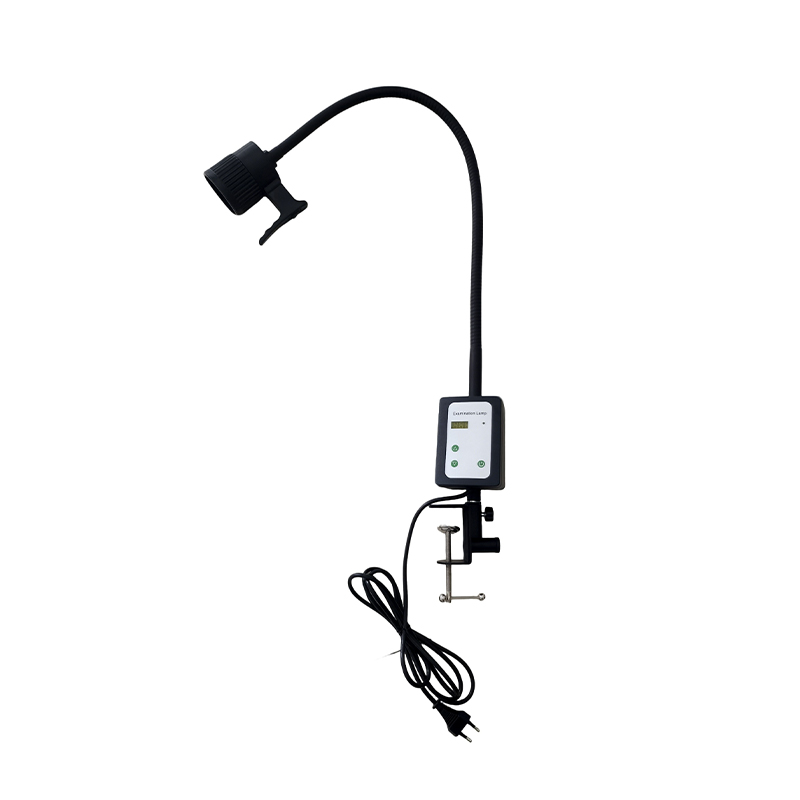
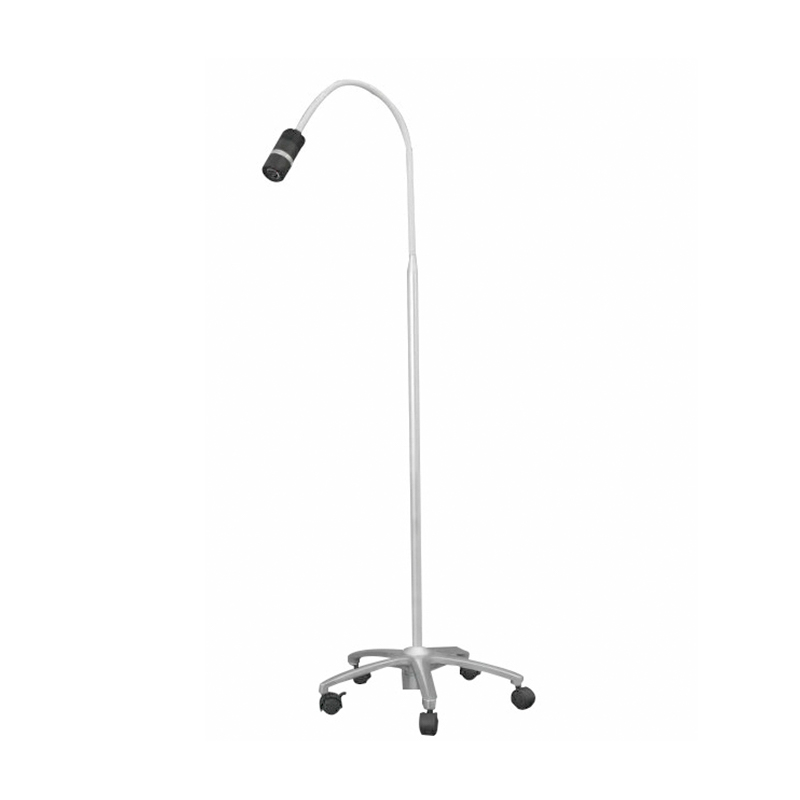
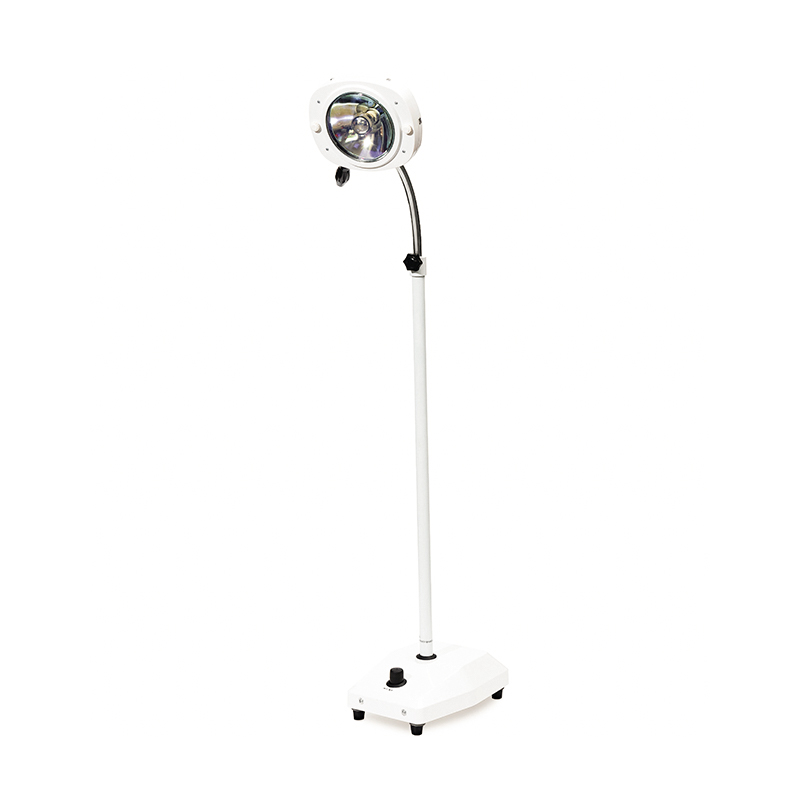
| Surgical lighting | Ceiling surgical light, mobile LED shadowless light, backup battery light | Illuminate the surgical field without shadows |
| Surgical instruments | Scalpels, forceps, scissors, retractors, needle holders, suction tips | Perform dissection, hemostasis, and suturing |
| Fluid and suction management | Electric suction apparatus, collection canisters, surgical smoke evacuator | Keep the field visible and remove fluids and smoke |
| Infection control | Plasma air sterilizer, UV air sterilizer, bed unit sterilizer, disinfectant stations | Maintain air and surface cleanliness |
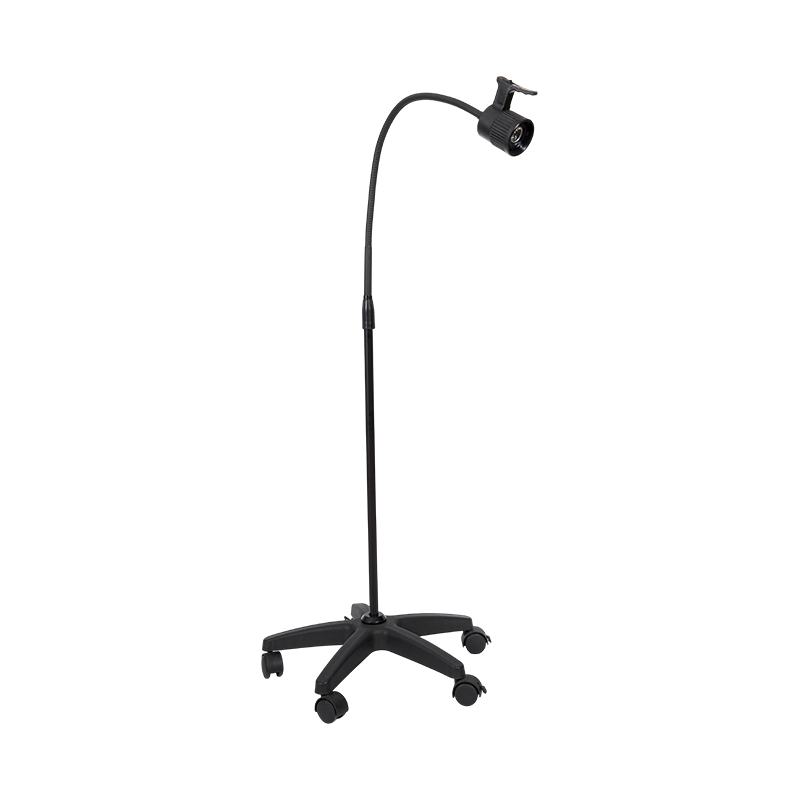
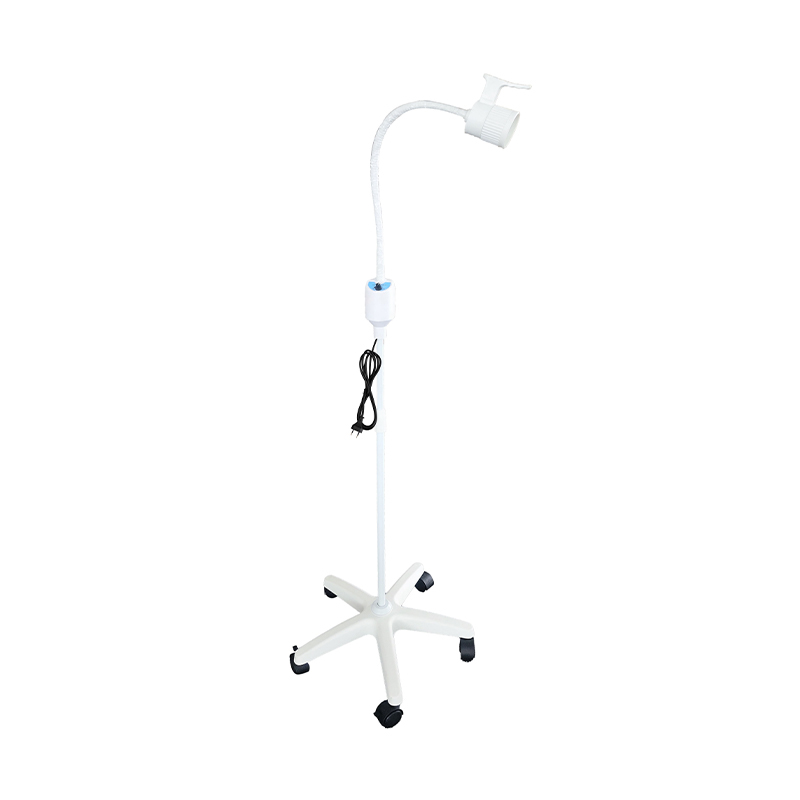
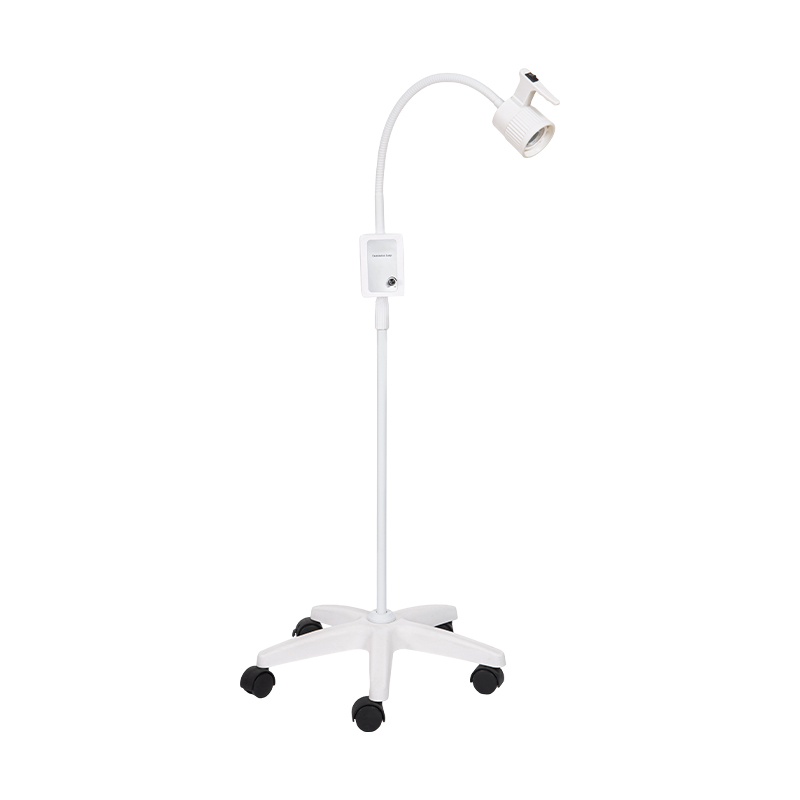
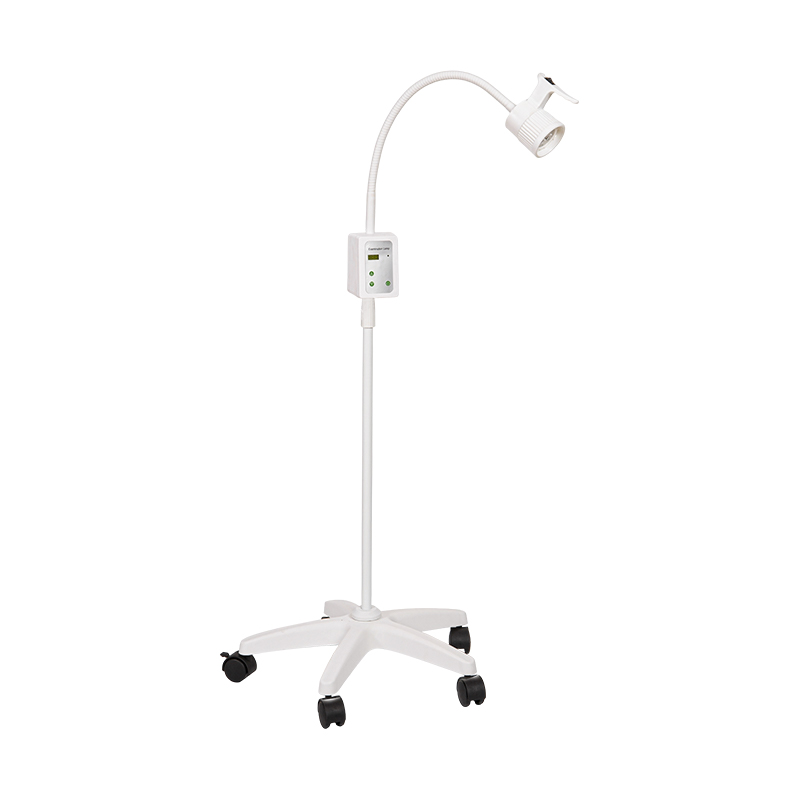
Lighting affects every step of the operation. A surgical light must be shadowless, color stable, and easy to position. Ceiling lights save floor space, while mobile lights add flexibility for minor procedures, outpatient surgery, and emergency rooms where overhead mounting is not available.
For a typical operating room, a mobile LED shadowless antibacterial surgical light is a practical primary unit for smaller rooms or a reliable backup for a ceiling-mounted system. Its antibacterial surface and casters make it easy to position without adding a separate rolling stand to the equipment list.
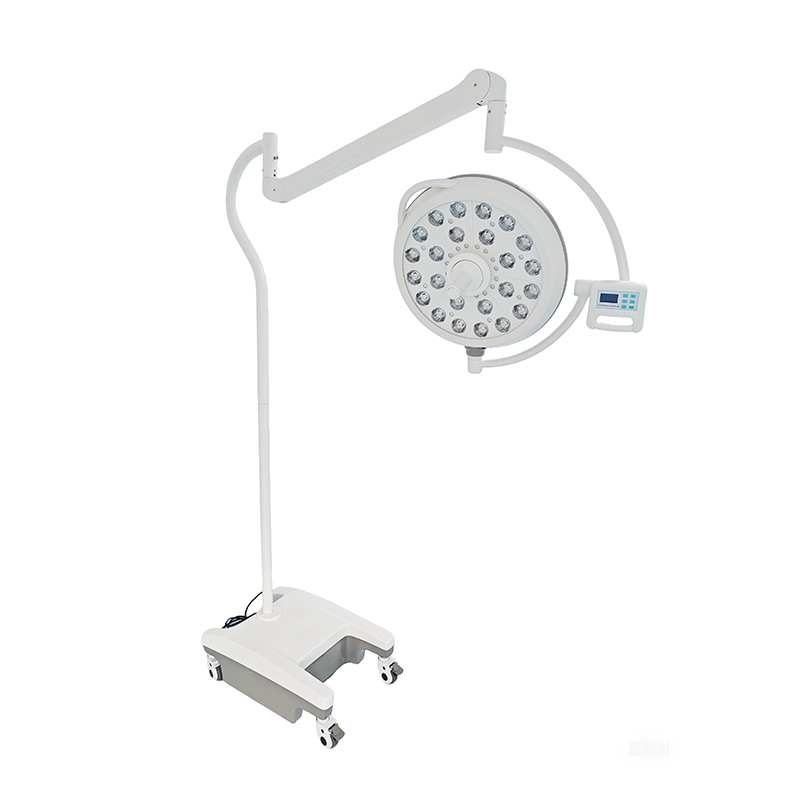 Wholesale 48W Mobile Led Shadowless Antibacterial Surgical Light Suppliers, OEM Jiangyin jianshifu Equipment Co.,Ltd is top China 48W Mobile Led Shadowless Antibacterial Surgical Light suppliers and OEM company, We sp...View Product →
The anesthesia machine is more than a ventilator with gas connectors. It is a safety system that must integrate alarms, gas delivery, scavenging, and patient monitoring. A hospital that builds its operating room medical equipment list without verifying these two functions together creates a serious safety gap.
The minimum set should include:
Each item should be included in the daily pre-anesthesia check. If the monitor, ventilator, or scavenging system is not compatible with the room power and gas outlets, the entire OR workflow will be delayed.
The operating table must support the patient position required by the procedure, including weight limits, radiolucency for imaging, and compatibility with transfer systems. Surgical instruments are more procedure-specific than any other category, so the equipment list should be reviewed against the actual surgical schedule.
Advanced equipment is determined by the service line. Laparoscopy, orthopedics, ENT, and cardiac surgery each bring additional stacks, scopes, drills, or imaging devices. Resist the urge to create one huge generic list; instead, build a core list plus specialty add-on lists.
Blood, irrigation fluid, and surgical smoke can obscure the field and increase the time under anesthesia. Reliable suction is a safety function, not an accessory. The OR should include a primary suction unit plus a backup, especially for urgent cases where the table position changes quickly.
Specify a high-negative-pressure electric suction device with adjustable pressure control, overflow protection, and a collection system that can be changed without exposing staff to fluid. This is especially important in general surgery, obstetrics, and emergency procedures.
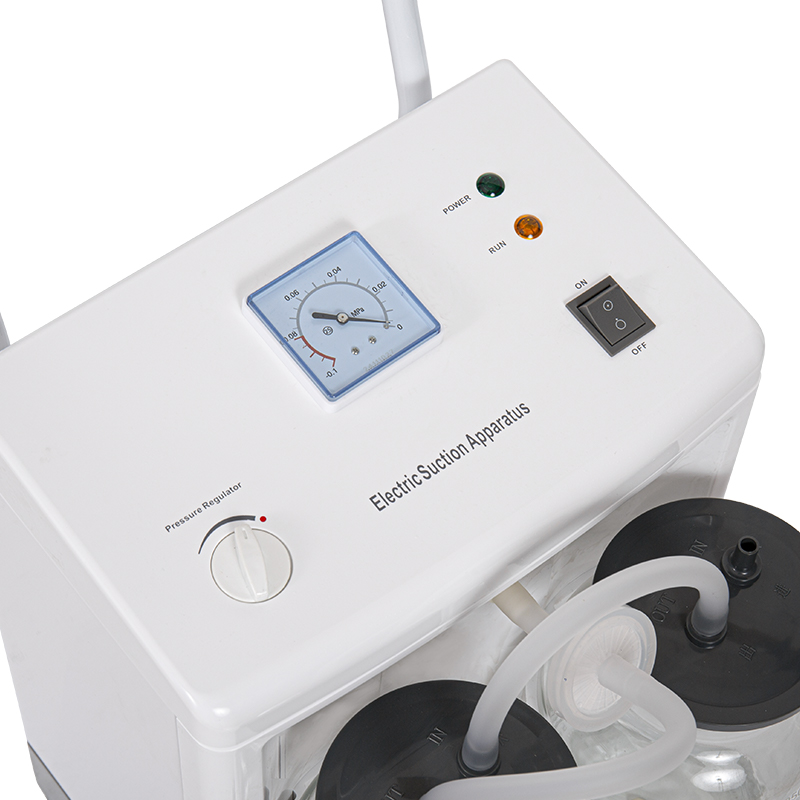 Wholesale High Negative Pressure Electric Suction Device Suppliers, OEM Company Jiangyin jianshifu Equipment Co.,Ltd is top China High Negative Pressure Electric Suction Device suppliers and OEM company, We specialize...View Product →
Surgical site infections are influenced by airborne and surface contamination. The operating room equipment list should therefore include continuous air cleaning, surface disinfection, and terminal cleaning equipment. Plasma air sterilizer operating principles make this technology practical because the unit can run while staff are present, unlike UV systems that require an empty room.
For rooms with flexible layouts, a 100 m³/h mobile plasma air sterilizer supports different spaces without permanent installation. Wall-mounted and ceiling-mounted units are better when the OR layout is fixed and dedicated air handling is already planned.
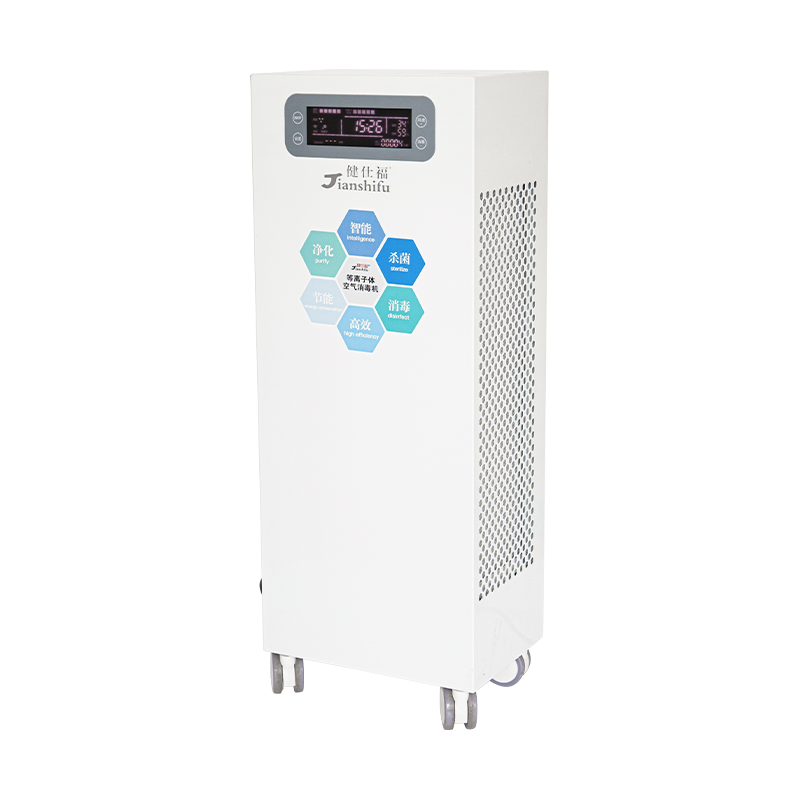 Wholesale Mobile 100 Plasma Air Sterilizer Suppliers, OEM Company - Jiangyin jiaJiangyin jianshifu Equipment Co.,Ltd is top China Mobile 100 Plasma Air Sterilizer suppliers and OEM company, We specializes in wholesale...View Product →
| Technology | Best Fit | Staff Presence |
|---|---|---|
| Plasma air sterilizer | Continuous air cleaning in occupied ORs | Staff may remain in the room |
| UV lamp air sterilizer | Terminal air cleaning after a procedure | Room must be unoccupied |
| UV disinfection trolley | Surface and air disinfection in the empty OR | Room unoccupied during operation |
After the categories are filled, evaluate each item against certification, service, consumables, and expandability. This is where the practical quality of an operating room medical equipment list is tested.
These checks are as important as the brand name. Manufacturers with documented quality systems and responsive service channels reduce procurement risk. A cheaper device with no local support is rarely the real saving.
A reliable operating room medical equipment list is a living document. Review it when a new surgical specialty is added, when room ventilation is changed, or after every incident review. Start with the safety-critical core, keep the list measurable, and make sure each item can be tested, maintained, and supported. That approach produces an OR that is ready for the procedure and prepared for the unexpected.
 We have specialised in medical devices for 32 years.
Contact Us
 No 48 Xiaokan Rd, Shizhuang town, Jiangyin, Jiangsu, China
 sara@jsf-qx.com
 +86-18915253915
 +86-18861287595
+86-18915253915
+86-18861287595
+86-18915253915
Copyright @ Jiangyin Jianshifu Equipment Co.,Ltd.
 Custom Disinfection Equipment Manufacturers
China Disinfection Equipment Factory
Custom Disinfection Equipment Manufacturers
China Disinfection Equipment Factory
The information provided on this website is intended for use only in countries and jurisdictions outside of the People's Republic of China.


 English
  عربى
عربى