By Admin
Content
A quality surgical lamp, commonly called an Operating Light in medical equipment catalogs, needs four things working together: enough illuminance to reveal fine tissue detail, a high color rendering index so tissue colors appear true to life, a shadow-dilution design that keeps the surgeon's own hands and instruments from blocking the light, and a cool LED light source that will not add heat stress to an open surgical site. In practical terms, that means an illuminance range of roughly 40,000 to 160,000 lux, a color rendering index above 90, and a color temperature between 4000K and 5000K to closely match natural daylight. The sections below explain why each of these specifications matters, how mobile and ceiling-mounted designs differ, and what to check before selecting an operating light for a specific procedure room.
In a surgical operating room, visual clarity is not a comfort feature — it directly affects how accurately a surgeon can identify tissue structures and complete a procedure safely. A single, focused light source would cast a hard shadow the moment a hand, head, or instrument moved into the beam, which is why an Operating Light is built around multiple smaller light sources arranged around a central housing.
Each light module illuminates the surgical field from a slightly different angle, so when an obstruction blocks one beam, the surrounding modules continue lighting that same spot from a different direction. The combined effect is a well-lit field with minimal shadow, even as hands and instruments move continuously through the space during the operation.
Marketing terms like "bright" or "shadowless" do not tell you much on their own. These are the measurable specifications worth comparing directly across products.
| Specification | Why It Matters |
|---|---|
| Illuminance (lux) | Higher lux at the center of the field improves visibility of fine tissue detail during deep or delicate procedures |
| Color rendering index (CRI) | A CRI above 90 ensures tissue color appears accurate, which helps surgeons distinguish healthy from compromised tissue |
| Color temperature | A range close to daylight (4000K–5000K) reduces eye strain during long procedures |
| Heat radiation at the field | LED cold-light sources minimize added heat to exposed tissue compared to older halogen designs |
| Depth of illumination | Determines how well the light maintains brightness at varying depths inside a body cavity |
The choice between a mobile floor-standing unit and a ceiling-mounted system depends largely on how the room is used, not simply on budget.
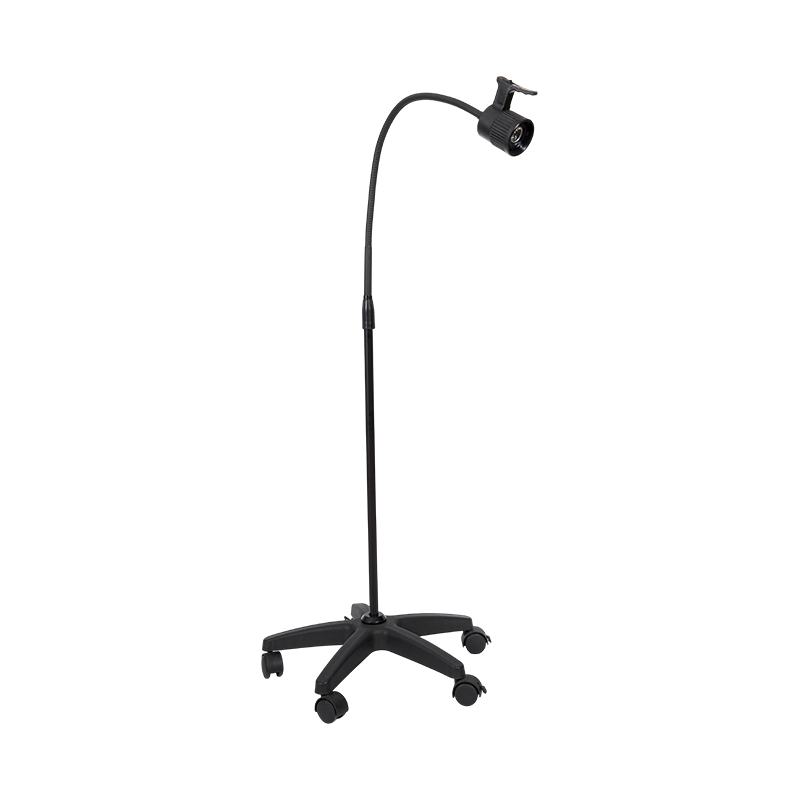
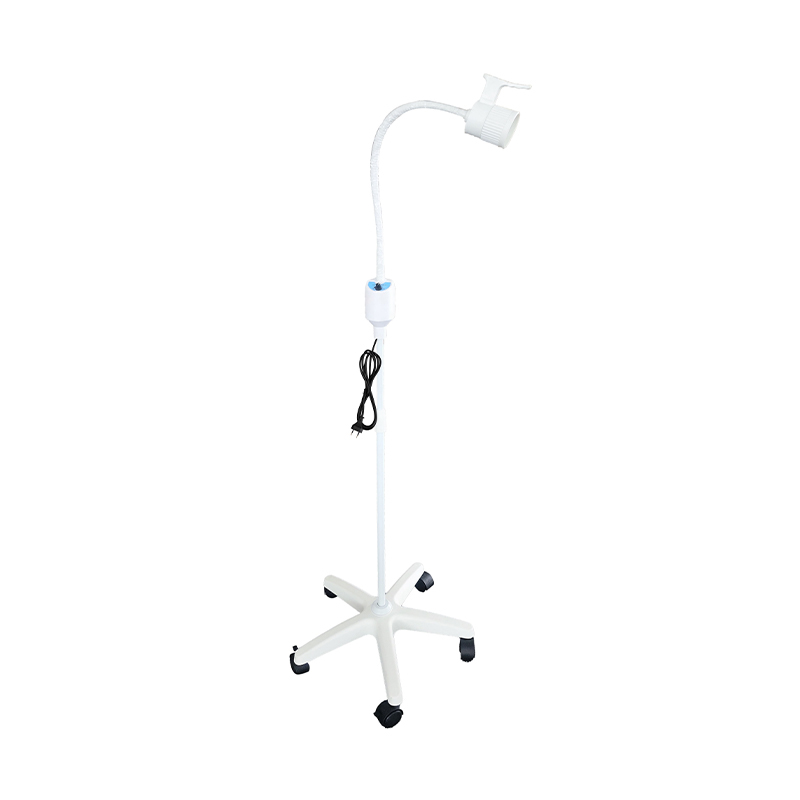
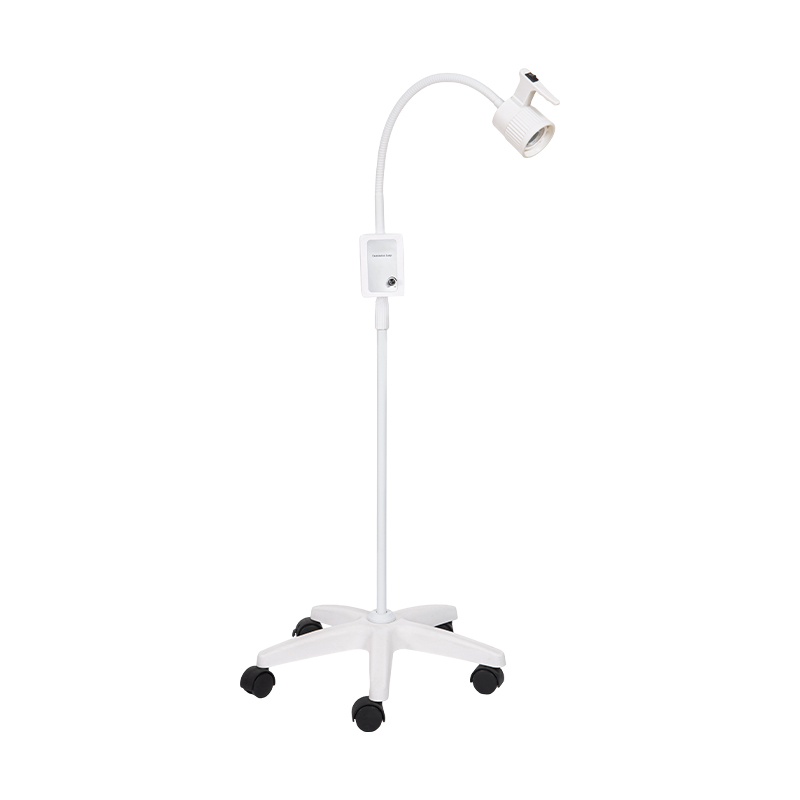
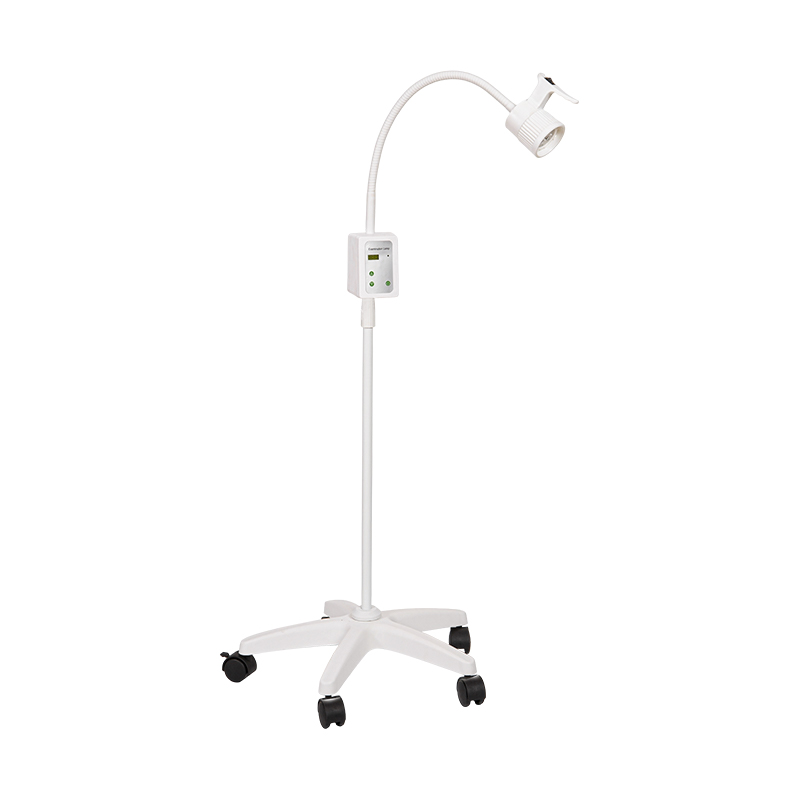
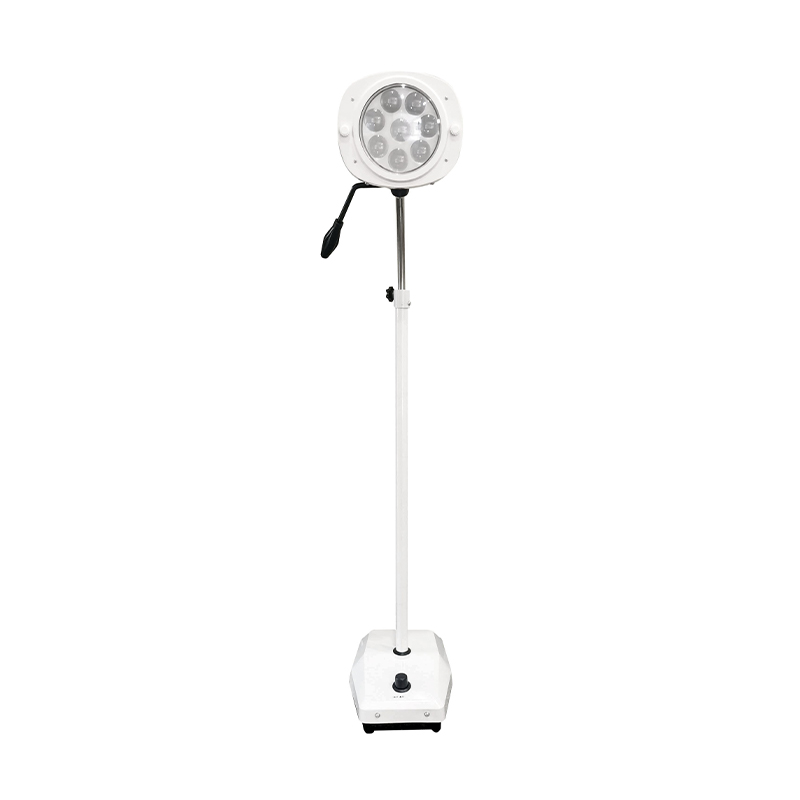
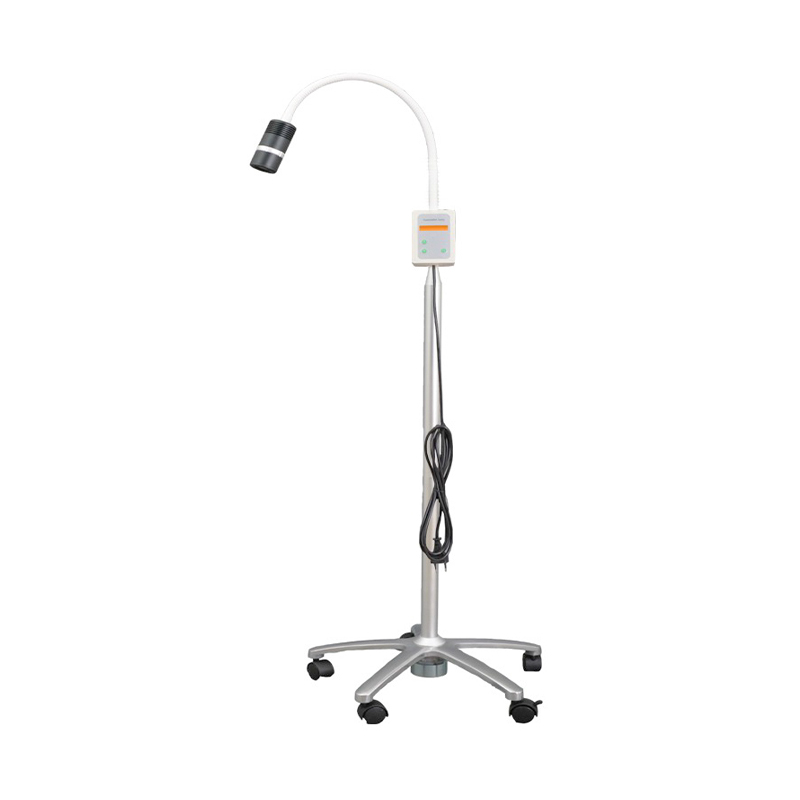
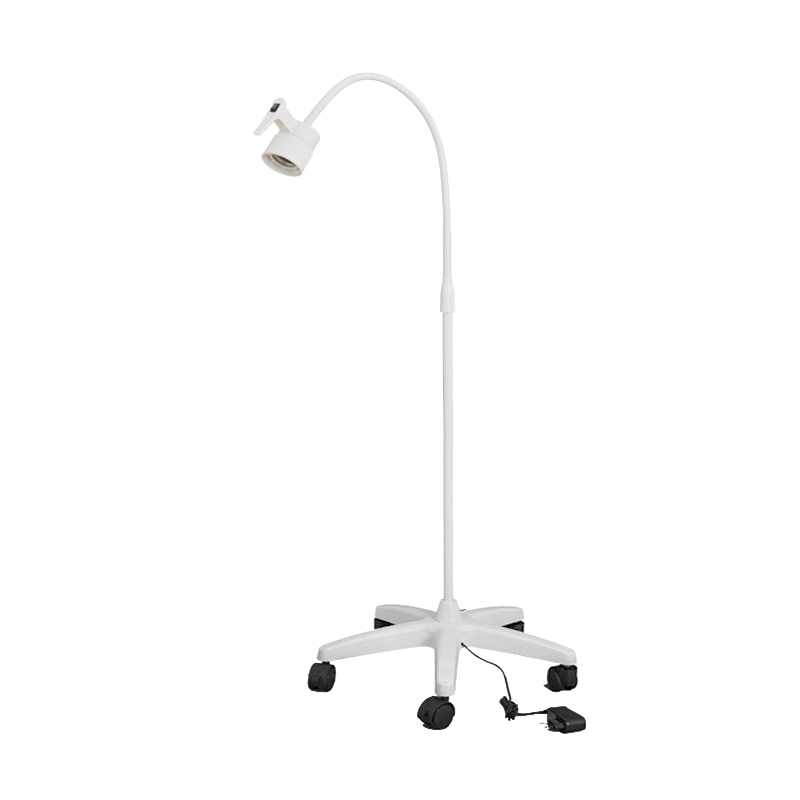
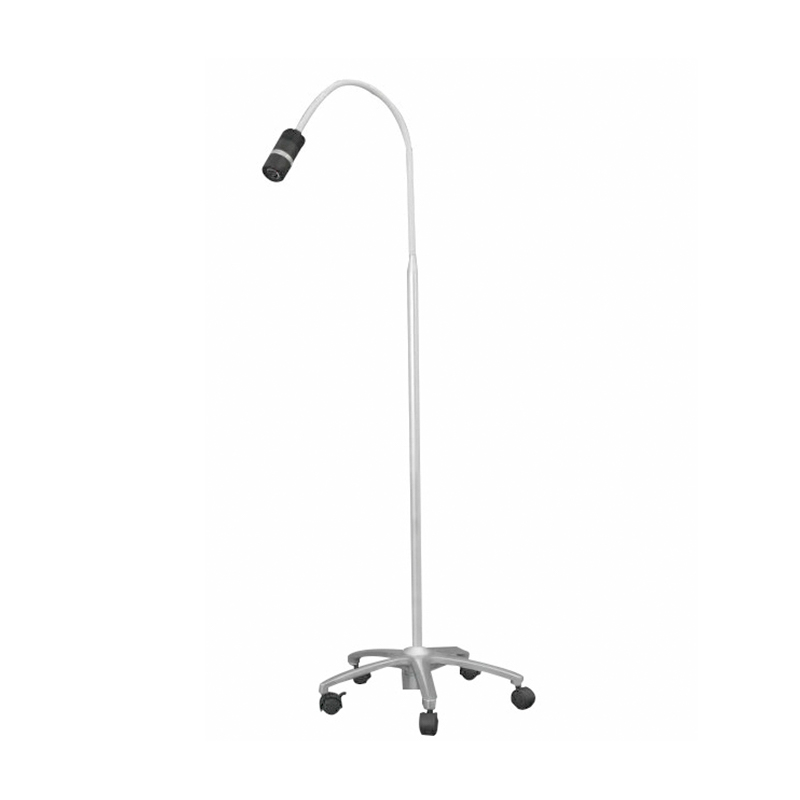
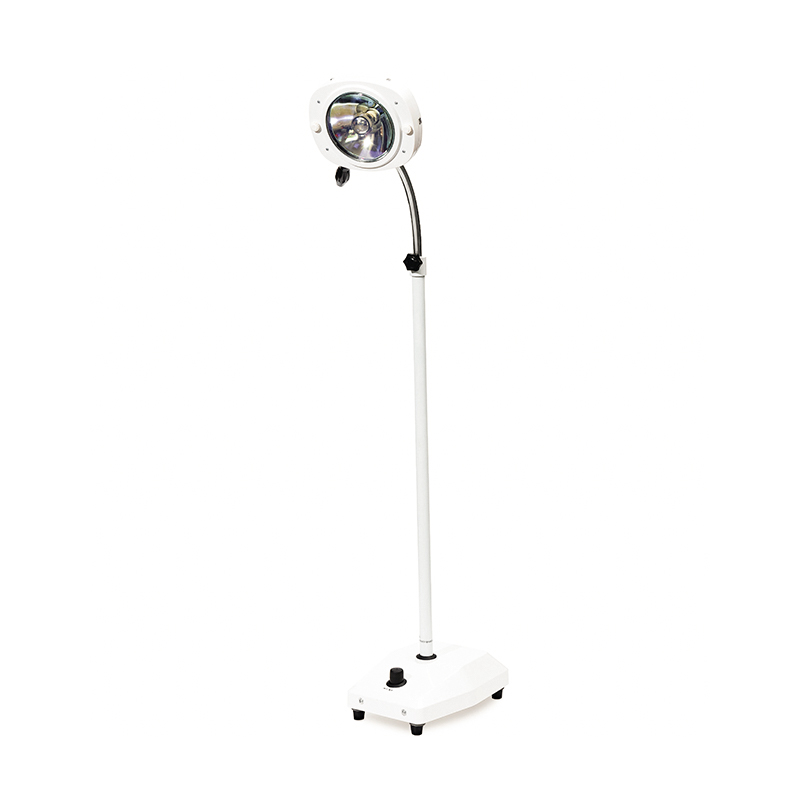
Mounted on a wheeled base, a mobile Operating Light can move between rooms, making it well suited to outpatient procedures, minor surgery suites, and facilities that need to redeploy equipment across multiple spaces without a fixed installation.
Fixed to the ceiling with an articulating arm, this design keeps floor space clear around the operating table and typically supports larger, dual-head configurations for major surgery, where a wider and more powerful illuminated field is needed for extended procedures.
| Setting | Suggested Operating Light Type |
|---|---|
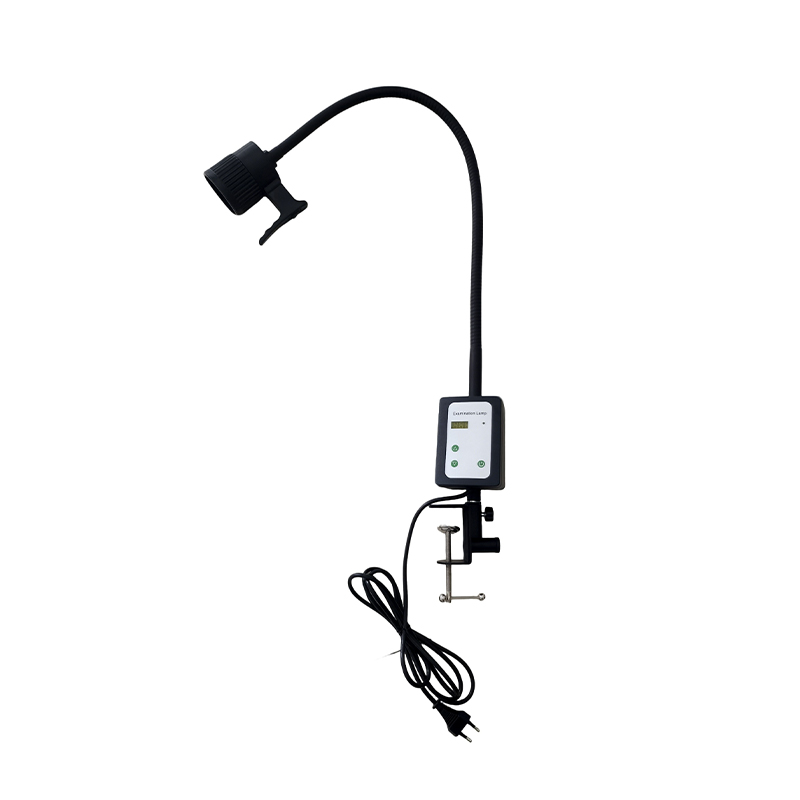
| Minor outpatient or cosmetic procedures | Compact mobile LED light with a single lamp head |
| General surgery departments | Ceiling-mounted single or dual-head LED system |
| Major or extended surgical procedures | Dual-head ceiling-mounted shadowless system with high lux output |
| Mobile or field surgical units | Portable floor-standing LED light with a wheeled base |
Beyond optical performance, an operating light needs to hold up to the cleaning routines of a sterile environment without degrading.
Jiangyin Jianshifu Equipment Co., Ltd. has manufactured medical lighting and disinfection equipment since 1993, with a product range that includes mobile and ceiling-mounted Operating Light systems alongside examination lamps and sterilization equipment, supported by a dedicated production line and in-house testing of optical performance, electrical safety, and mechanical durability before products leave the factory.
For buyers comparing surgical lamp options, requesting documented lux output, CRI rating, and shadow-dilution performance for the specific Operating Light model — rather than relying on general marketing claims — remains the most reliable way to confirm the fixture will meet the visual demands of the procedures it will be used for.
 We have specialised in medical devices for 32 years.
Contact Us
 No 48 Xiaokan Rd, Shizhuang town, Jiangyin, Jiangsu, China
 sara@jsf-qx.com
 +86-18915253915
 +86-18861287595
+86-18915253915
+86-18861287595
+86-18915253915
Copyright @ Jiangyin Jianshifu Equipment Co.,Ltd.
 Custom Disinfection Equipment Manufacturers
China Disinfection Equipment Factory
Custom Disinfection Equipment Manufacturers
China Disinfection Equipment Factory
The information provided on this website is intended for use only in countries and jurisdictions outside of the People's Republic of China.


 English
  عربى
عربى