By Admin
Content
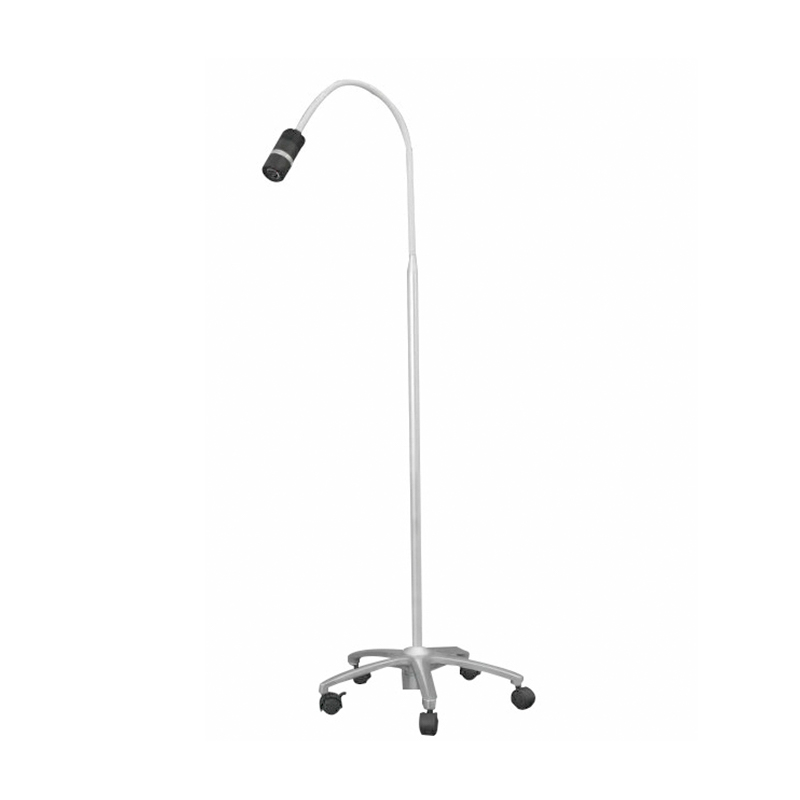
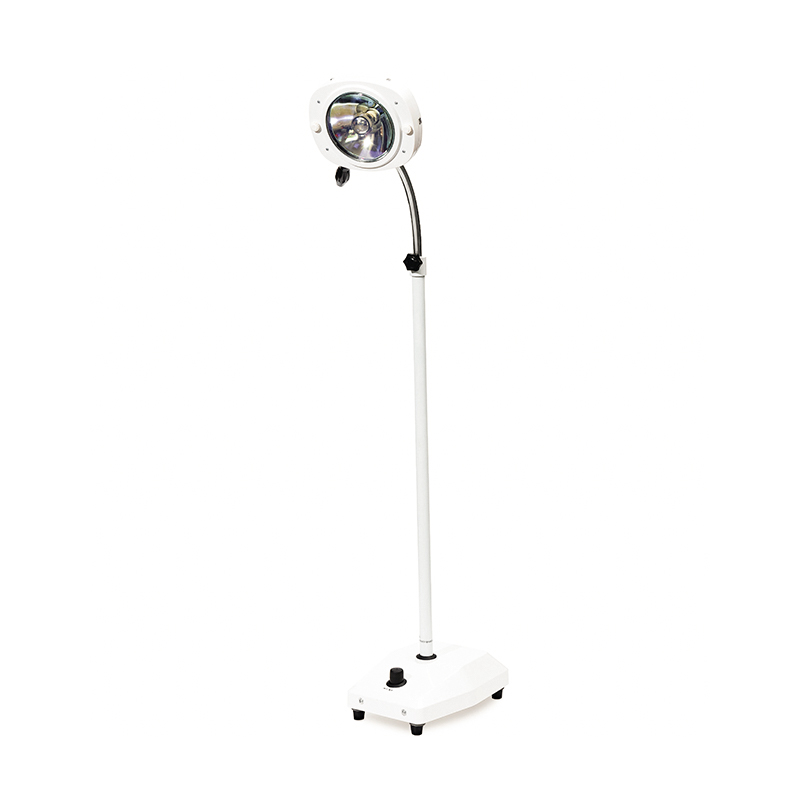
An examination light is built for quick, general-purpose viewing during routine checkups, while a surgical operating light is engineered for intense, shadow-free illumination of an open surgical field over hours at a time. The gap between the two is not just brightness — it spans intensity, shadow control, sterility, color accuracy, and even how the fixture is physically handled during use.
In short: examination lights typically deliver 1,000 to 3,500 lux for surface-level viewing, while surgical operating lights reach 40,000 to 160,000 lux with stepless adjustment for varying tissue depth. Using the wrong type in the wrong room is one of the most common — and most avoidable — lighting mistakes clinics make.
The rest of this guide breaks down exactly where these two categories diverge, so you can match the correct fixture to each room in your facility rather than defaulting to a single lighting standard everywhere.
Brightness is the most measurable and most misunderstood difference between the two categories. An examination light only needs to illuminate a surface — skin, throat, ears, or a shallow wound — during a short visit. A surgical light has to penetrate much deeper, staying bright enough that a surgeon can still distinguish fine tissue layers even after blood and fluid start altering how the field reflects light.
| Light Type | Typical Illuminance | Adjustable Range | Typical Use |
|---|---|---|---|
| Examination light | 1,000-3,500 lux | Narrow, mostly fixed | Checkups, triage, diagnostics |
| Minor-procedure light | 10,000-25,000 lux | Moderate | Suturing, biopsies, minor wound care |
| Surgical operating light | 40,000-160,000 lux | Wide, stepless dimming | Open surgery, deep-cavity procedures |
This gap is not arbitrary. Deep surgical fields absorb and scatter far more light than an exposed skin surface, so a fixture designed only for examination use will consistently fall short once tissue depth exceeds a few centimeters — exactly the scenario where visibility matters most.
Shadow management is where the design philosophy of these two fixture types diverges most sharply, and it is often the difference that clinicians notice first once they switch between rooms.
Most examination lights rely on a single LED cluster or a small reflector, producing one concentrated beam. This is entirely sufficient for surface viewing, but it casts a visible shadow whenever a hand or instrument passes through the beam path. During a routine checkup this is a minor inconvenience; during any precision task it becomes a real obstacle.
A surgical operating light combines light from dozens of angles using multi-facet reflector arrays, so when one angle is blocked, adjacent reflectors immediately fill the gap. Well-engineered surgical lights achieve a shadow dilution rate above 90%, keeping the field evenly lit even as the surgeon's hands and instruments constantly move through the beam. This is the single biggest functional reason surgical lights cost more and look structurally different from examination fixtures.
Because surgical lights are positioned directly above an open wound, their construction has to meet a much stricter cleanliness and handling standard than examination lights ever need to.
Color accuracy plays a different role in each setting. Examination lights need enough color rendering to spot rashes, discoloration, or swelling, and most units handle this adequately with a color rendering index (CRI) around 80-90. Surgical lights demand a noticeably higher standard, because the surgeon must distinguish healthy tissue from bleeding or necrotic areas in real time. Many surgical-grade fixtures maintain a CRI of 93-96, paired with a neutral color temperature in the daylight range to reduce eye fatigue during multi-hour procedures.
This mismatch has real clinical consequences. Performing an incision-based procedure under a lower-CRI examination light can make it harder to judge how much a tissue is actually bleeding, which directly affects decision-making during surgery — a risk that has nothing to do with the surgeon's skill and everything to do with the wrong fixture being used.
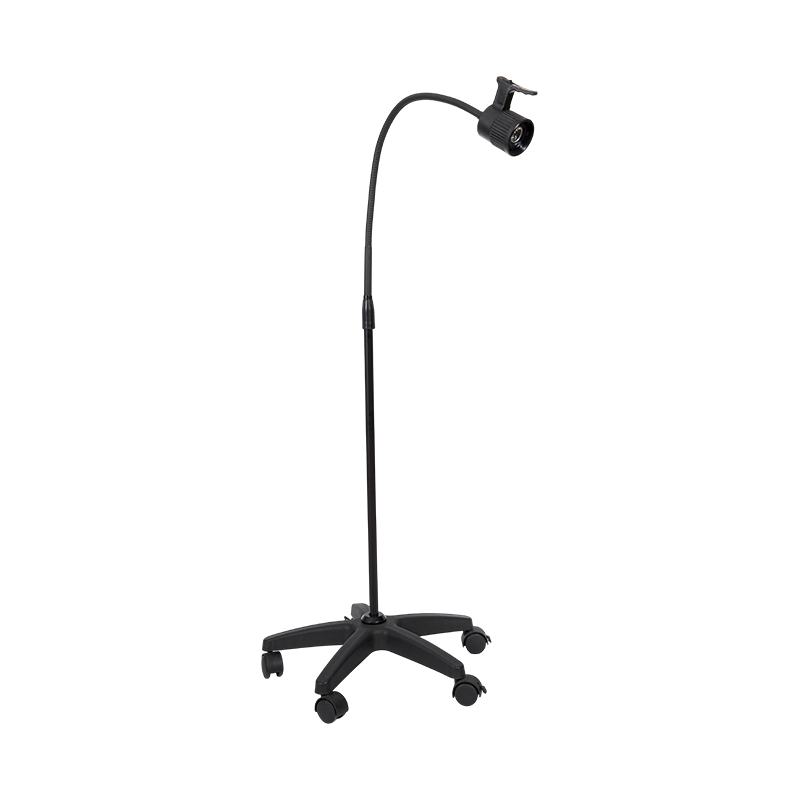
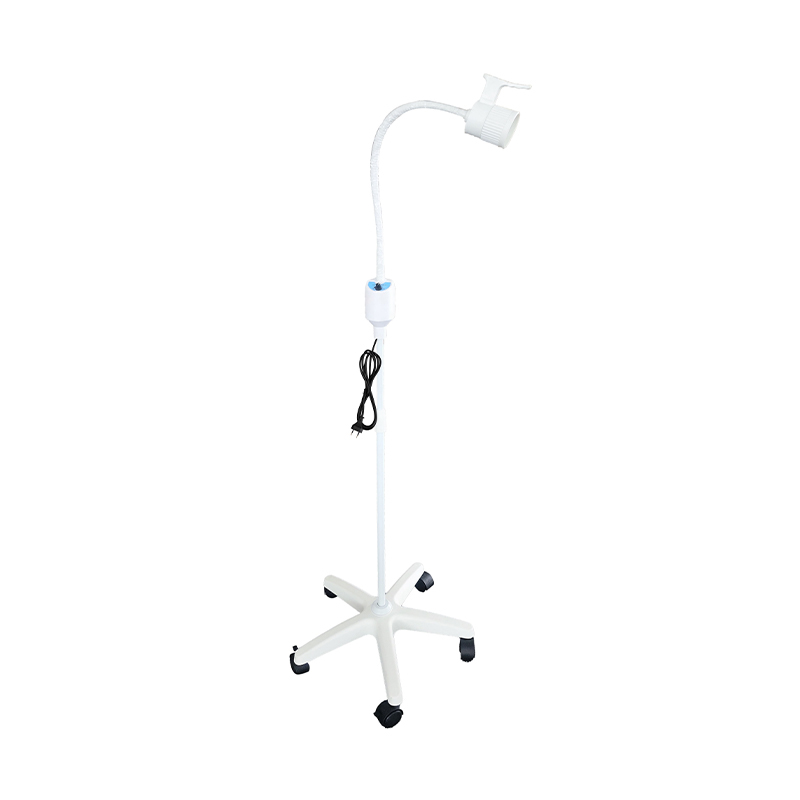
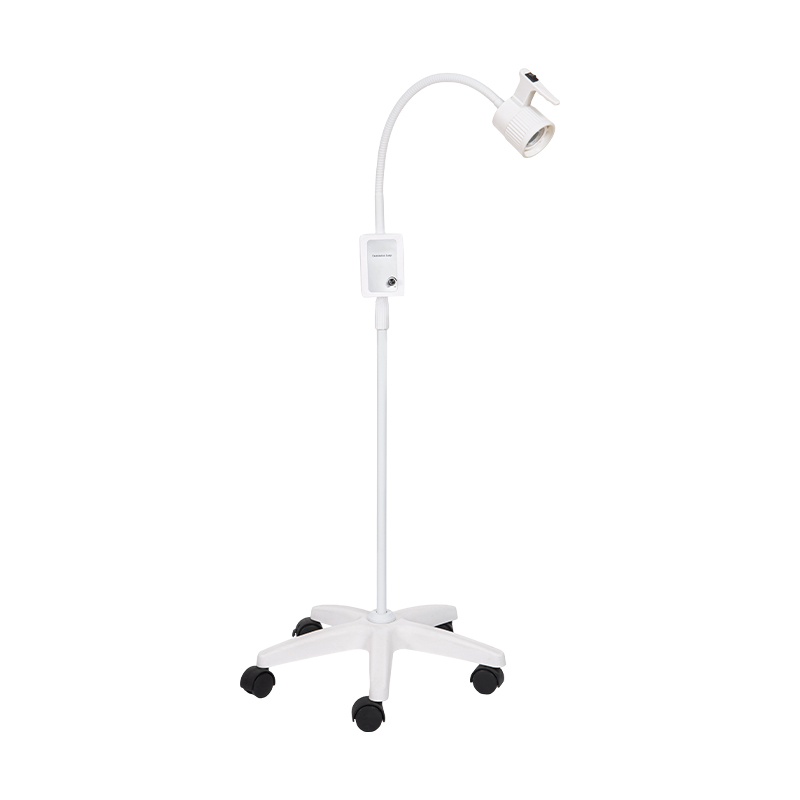
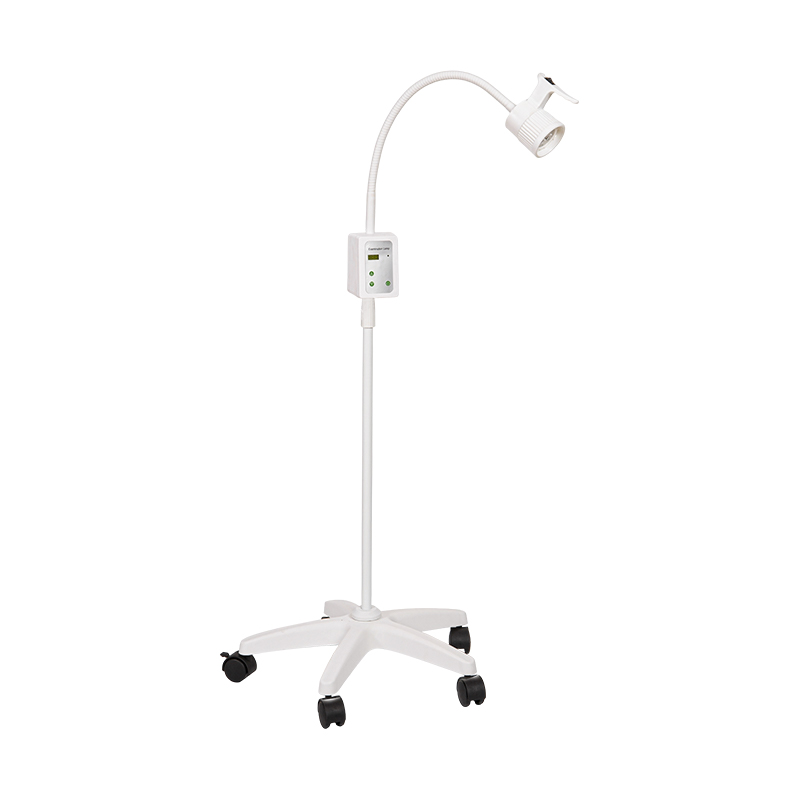
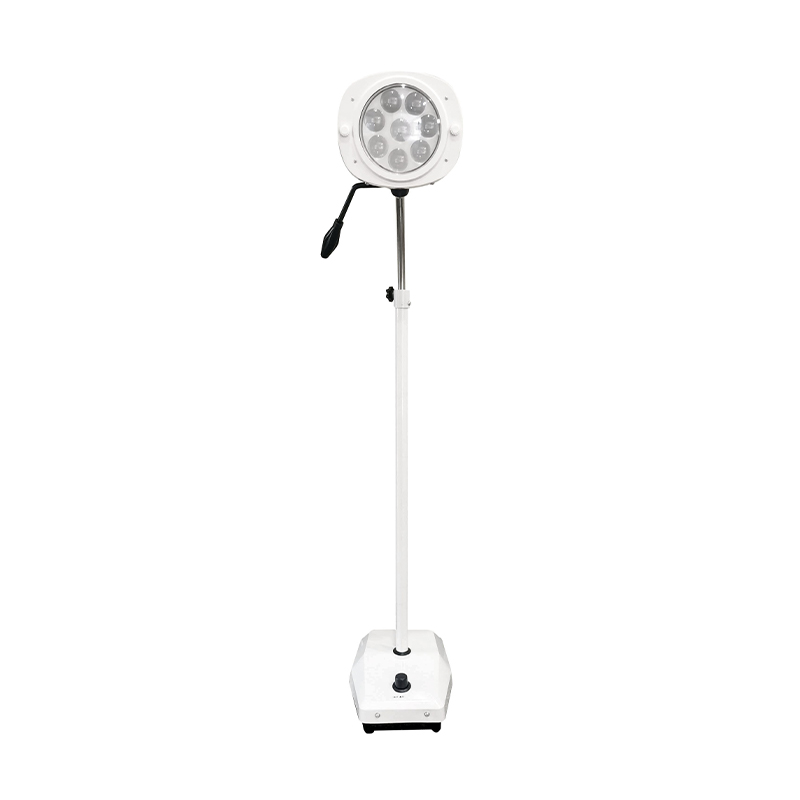
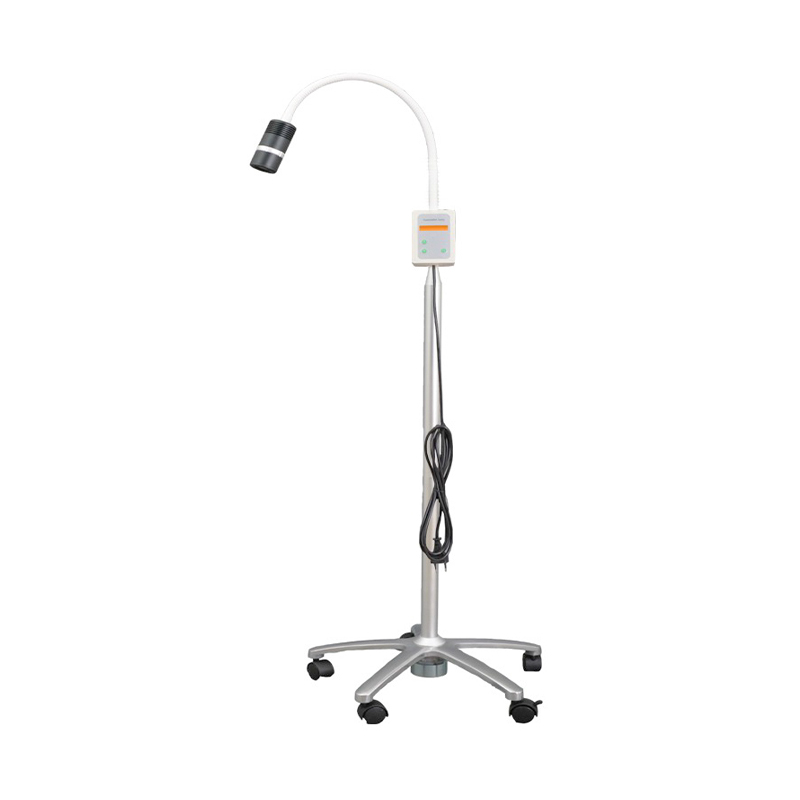
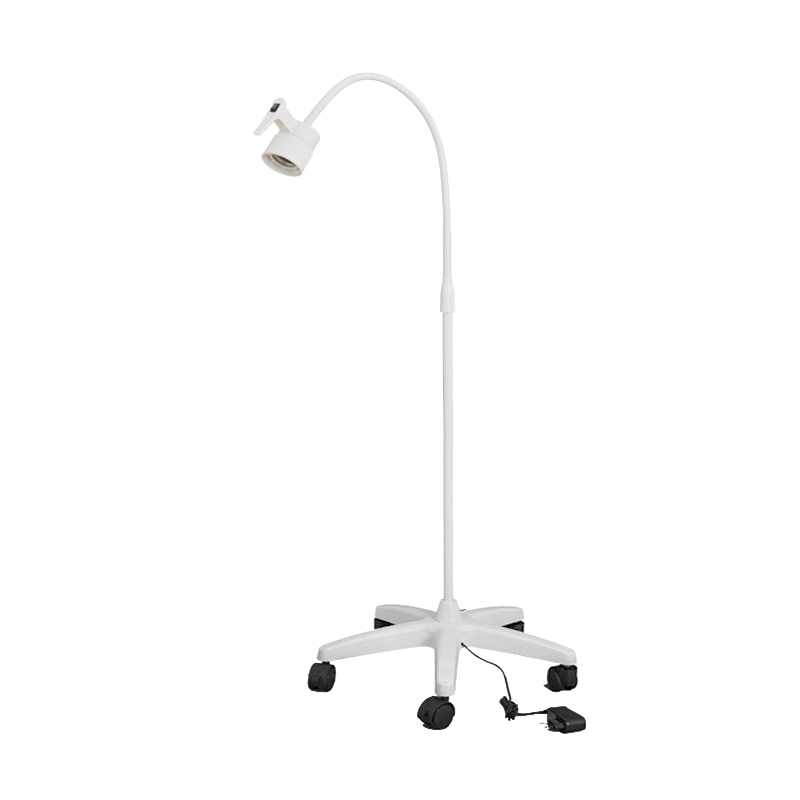
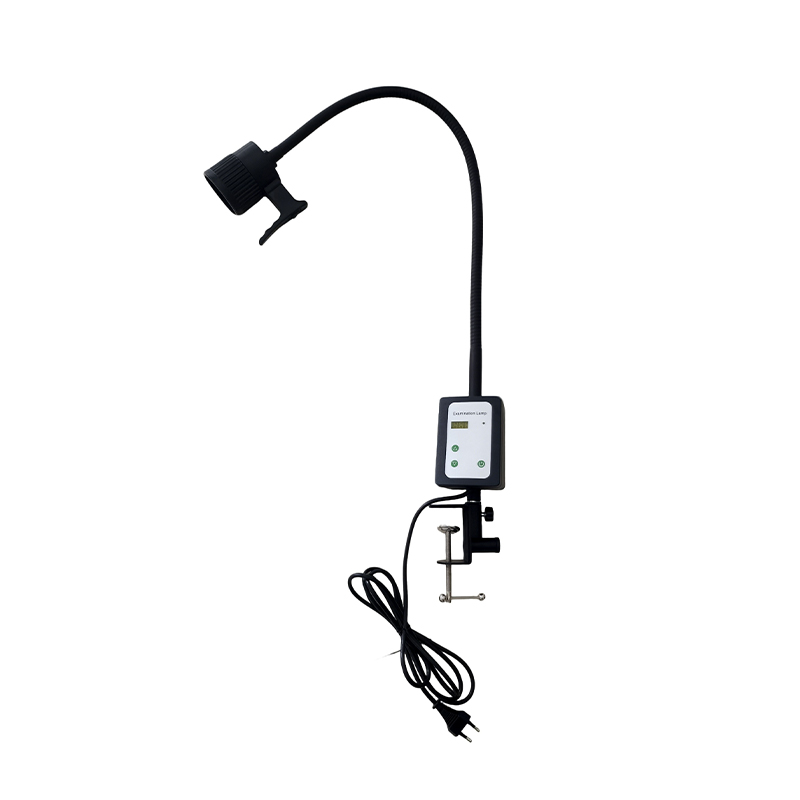
Examination lights are usually wall-mounted, ceiling-mounted on a short arm, or even portable, since they only need to cover one fixed viewing position. Surgical lights require far more range of motion. A ceiling-mounted operating light typically offers 360° rotation and multi-axis tilt, allowing the surgical team to reposition the beam repeatedly without ever losing focus intensity, and dual-head configurations let an assistant surgeon work under independent lighting on the same field.
Arm stability also matters more in surgical settings. Once positioned, a surgical light head must hold its exact angle for the full length of a procedure, sometimes several hours, without drifting — a tolerance examination lights are never engineered to meet since they are repositioned constantly between short visits.
The practical takeaway for any clinic is to match the fixture to the room's actual function rather than defaulting to one lighting standard across the whole facility.
Jiangyin Jianshifu Equipment Co., Ltd, established in 1993, manufactures both examination and surgical-grade operating light systems, including mobile and ceiling-mounted configurations suited to clinics that need to equip multiple room types correctly. Reviewing illuminance, CRI, and shadow-control specifications for each room before purchasing helps ensure every space is lit to the standard its procedures actually demand, rather than relying on a single lighting solution across the entire facility.
 We have specialised in medical devices for 32 years.
Contact Us
 No 48 Xiaokan Rd, Shizhuang town, Jiangyin, Jiangsu, China
 sara@jsf-qx.com
 +86-18915253915
 +86-18861287595
+86-18915253915
+86-18861287595
+86-18915253915
Copyright @ Jiangyin Jianshifu Equipment Co.,Ltd.
 Custom Disinfection Equipment Manufacturers
China Disinfection Equipment Factory
Custom Disinfection Equipment Manufacturers
China Disinfection Equipment Factory
The information provided on this website is intended for use only in countries and jurisdictions outside of the People's Republic of China.


 English
  عربى
عربى