By Admin
Content
Picture a transvaginal probe coming out of its sheath at 10:40 in the morning, wiped once with dry gauze, and set down beside the console because the next patient is already positioned. That single moment — not footprint size, not image resolution — is where most internal ultrasound probe programmes quietly break. An ultrasound internal probe that enters the vagina, rectum or oesophagus is a semi-critical device and must receive high-level disinfection (HLD) between every patient, with a probe cover treated as contamination control rather than as a replacement for disinfection.
The rest of this guide is written for the people who have to make that work inside a real department: which probe formats exist, why the whole category lands in the semi-critical tier, how common chemistries compare on contact time and material compatibility, where workflows typically fail, and which supporting equipment in the procedure room is genuinely worth the budget.
"Internal" describes the acoustic window, not the whole device. The patient-contact portion is a small, sealed lens sitting over a piezoelectric array; the insertion tube, strain relief, handle, cable and connector form one sealed assembly, and the connector must stay dry through every reprocessing cycle. The four formats below cover most clinical demand:
Two practical consequences follow. First, soil hides in the seam between lens and housing and along the insertion tube, so manual cleaning has to happen before any disinfection step. Second, small delicate heads and long flexible shafts are damaged far more often by handling and storage than by scanning.
Under the Spaulding classification, a device that contacts intact mucous membrane without entering sterile tissue is semi-critical and requires high-level disinfection rather than sterilisation. That is the position taken by the CDC guideline for disinfection and sterilisation in healthcare facilities, by AIUM and ESGE statements on ultrasound probe reprocessing, and by the probe manufacturer's own instructions for use, which remain the controlling document in any audit.
Sheaths do not change this. Published studies on endocavitary probe covers have reported intact-cover failure rates of roughly 1% to 9%, and failure becomes more likely after manipulation during a procedure. Treat the sheath as barrier protection and HLD as the actual infection-control step — the sequence is clean, disinfect, rinse, dry, store, then fit a new cover.
Documentation is part of the classification, not paperwork for its own sake. A defensible log records probe identifier, patient or case reference, chemistry or cycle used, contact time, operator and result. For TEE probes, where the shaft shares a patient's oesophagus, this traceability is frequently the first thing an inspector asks to see.
Two probes of identical type can carry different instructions for use, so read the probe manual before comparing chemistry. The variables that actually decide the choice are maximum soak temperature, approved chemistries, required contact time, rinse requirements and drying method.
| Method | Typical label cycle | Compatibility watch-outs | Where it fits |
|---|---|---|---|
| 0.55% ortho-phthalaldehyde | 5 min at 20 °C | Staining; residue must be rinsed thoroughly; not approved for every lens adhesive | High-throughput clinics with soak stations |
| 2.4% glutaraldehyde | 20 min at 20 °C | Vapour irritation; needs ventilation and exposure monitoring; long rinse | Lower-volume sites with fume control |
| Automated chemical reprocessor | 20–30 min including rinse | Probe adapter and cycle must be validated; single-use chemistry adds cost | Standardising teams with rotating staff |
| UV-C closed cabinet | 60 s to 5 min, dry cycle | Line-of-sight only; must be named in the probe IFU; cannot replace cleaning | Fast turnover between routine scans |
| Hydrogen peroxide or peracetic acid | 5–20 min depending on product | Material tolerance varies by probe generation and housing finish | Departments moving away from aldehydes |
Most reusable probes are rated for soaking well below sterilisation temperatures, commonly somewhere under 40–45 °C, and none should ever go into an autoclave. An over-warm soak softens the lens adhesive and shortens probe life long before it causes an obvious image fault. Equally, residual aldehyde or OPA left on the lens after a rushed rinse is a patient-safety issue, not just a staining issue, so rinse volume and drying time belong in the written procedure.
An automated reprocessor or validated UV-C cabinet removes operator variability and produces cycle records automatically. It does not remove the pre-clean, and it does not make an incompatible chemistry compatible. Ask suppliers for the probe compatibility list, the validation summary and the maintenance schedule before you accept a demonstration.
Each of these is cheap to fix with training and a wall-mounted checklist, and expensive to fix after a probe repair or an audit finding.
No room device can perform HLD on a probe, and any supplier who implies otherwise should be excluded from the tender. What room equipment can do is lower the bioburden around the bed, protect staff during chemical handling, and keep shared surfaces — keyboards, gel bottles, probe boxes, trolley tops — under control between procedures.
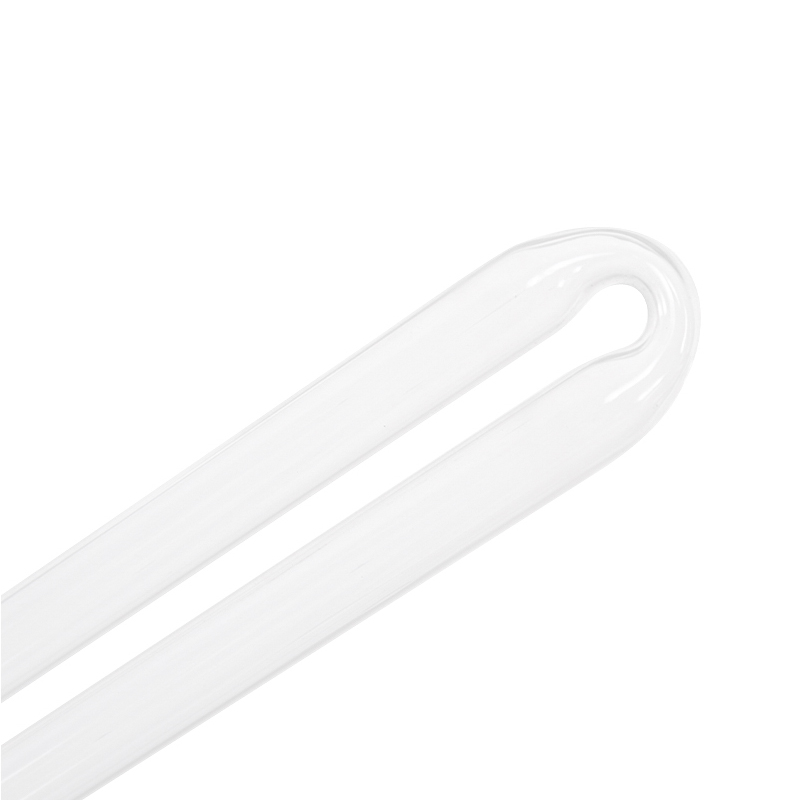 U-Shaped 150W UV Disinfection CartMobile UV-C trolley for empty-room cycles, with 150 W U-shaped lamp, timing, delayed start and remote control.View Product →
A mobile UV-C trolley in the 150 W class suits empty-room cycles in scanning rooms, treatment bays and equipment stores. What matters in selection is tube output measured at the wavelength you need, a timer that cannot be overridden casually, castors that roll on clinical flooring, and a lamp-hours counter so replacement is planned rather than reactive. Remember that UV-C is line-of-sight: shadowed areas behind trolleys and under beds need repositioning or manual wiping.
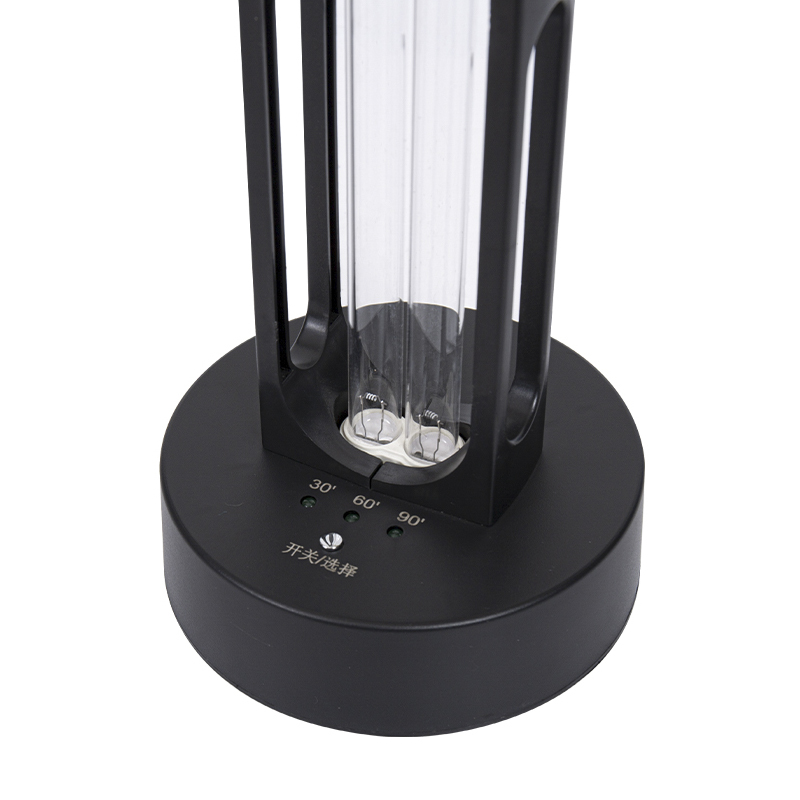 Remote-Control UV Germicidal Table LampCombined UV disinfection and lighting for consulting rooms, with remote timing, fault detection and 36 W output.View Product →
For small items and short cycles, a remote-controlled UV germicidal desk lamp is a practical addition in consulting rooms where keyboards and probe storage boxes are handled dozens of times a day. Remote operation keeps staff out of the exposure zone, which matters more than a marginal difference in lamp wattage.
Air quality deserves parallel attention in rooms without effective ventilation, particularly where aerosol-generating procedures are scheduled. Plasma and UV air sterilisers are designed for continuous operation in occupied spaces, in contrast to surface UV cycles that require an empty room.
When you compare suppliers for the equipment that surrounds your probes, ask for evidence rather than adjectives:
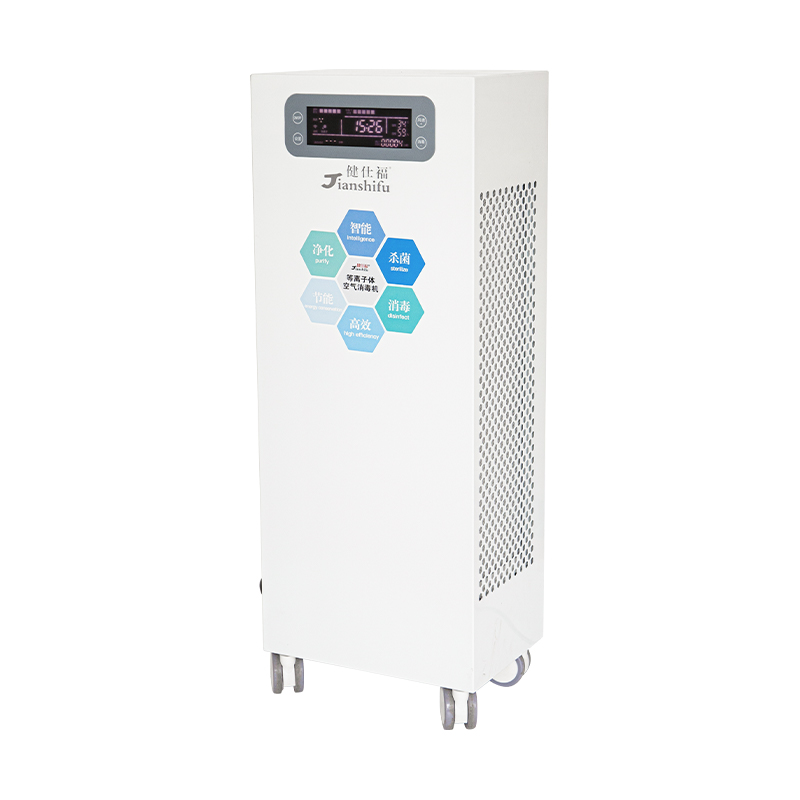 Mobile 100 Plasma Air SterilizerMobile plasma air disinfection unit for shared procedure rooms, with ≥800 m³/h circulation, APP control and low consumable maintenance.View Product →
A mobile 100-class plasma air disinfection unit is the type of item that fits this list for shared procedure rooms: it can be moved between spaces, run while the room is occupied, and requires only filter and electrode maintenance rather than daily consumables. For routine checks on trolley-based UV equipment, this UV lamp sterilizer trolley practical guide covers tube monitoring and daily handling in more detail.
Probe selection is usually decided by the scan list rather than by the brochure. A gynaecology clinic lives on a tight transvaginal footprint with good near-field resolution; a urology service needs a transrectal biplane with a stable needle guide and a cleanable guide channel; a cardiac theatre needs adult and paediatric TEE shafts with articulation that still moves smoothly after a thousand cycles; an intraoperative service needs a small sterile-field window with a cable long enough to reach the console without tension.
Connector compatibility is the most common purchase mistake. Probe connectors are console-specific and cross-compatibility claims must be verified at pin level before money changes hands. Refurbished probes with repaired lenses often pass an image check and then fail a leak test six weeks later, so ask for element test data, leak-test results and a written warranty that covers the array, not only the housing.
Finally, plan for downtime. Holding a spare probe per high-use room, or at least per site, costs far less than cancelling a biopsy list while a shaft is away for repair, and it keeps one probe in disinfection while the other is scanning — the single biggest throughput gain available to most departments.
The short version: an ultrasound internal probe is a semi-critical device, the sheath is not disinfection, and the chemistry you choose has to survive contact with the probe manufacturer's instructions for use before it ever meets a patient. Get those three points right and the rest of the workflow — cleaning, rinsing, drying, logging, storage — becomes a repeatable routine rather than a daily negotiation.
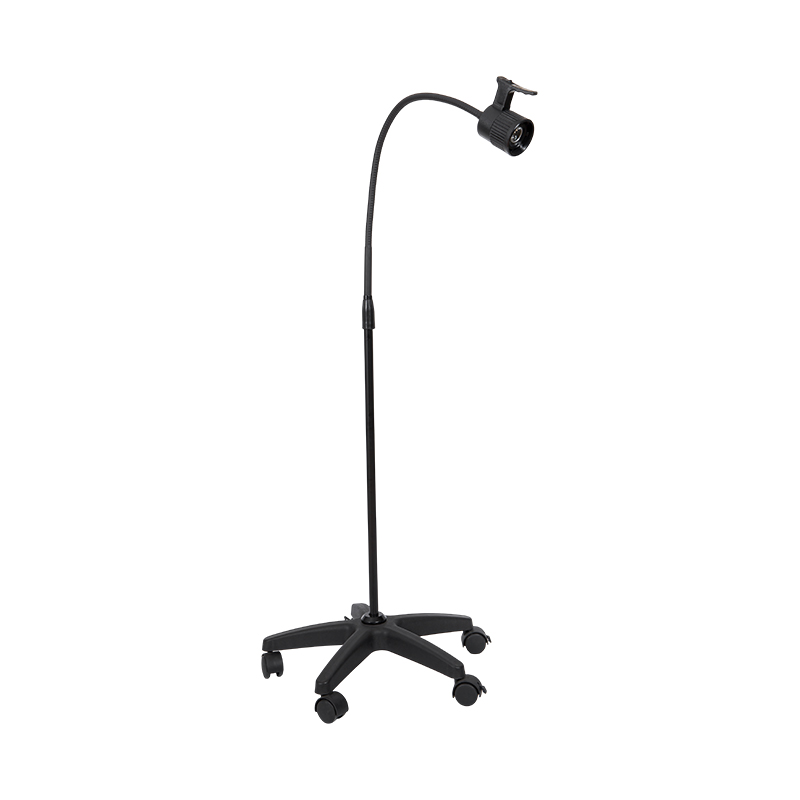
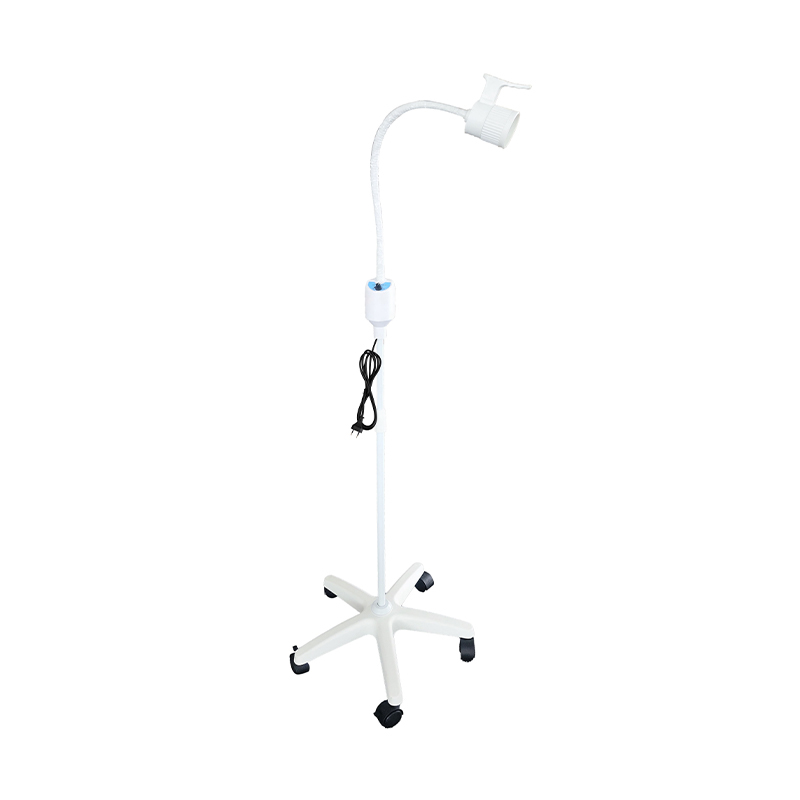
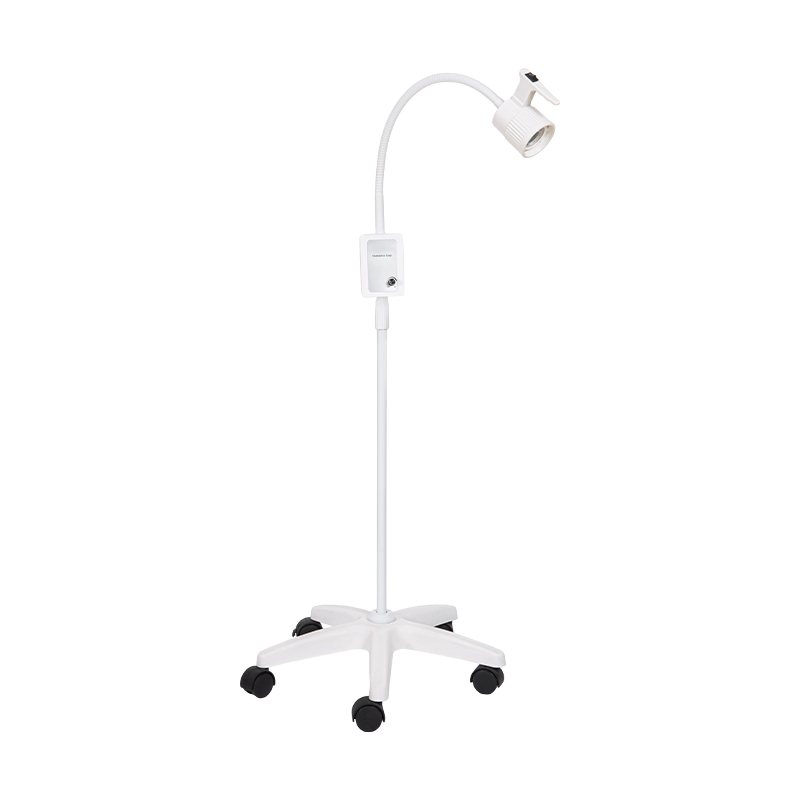
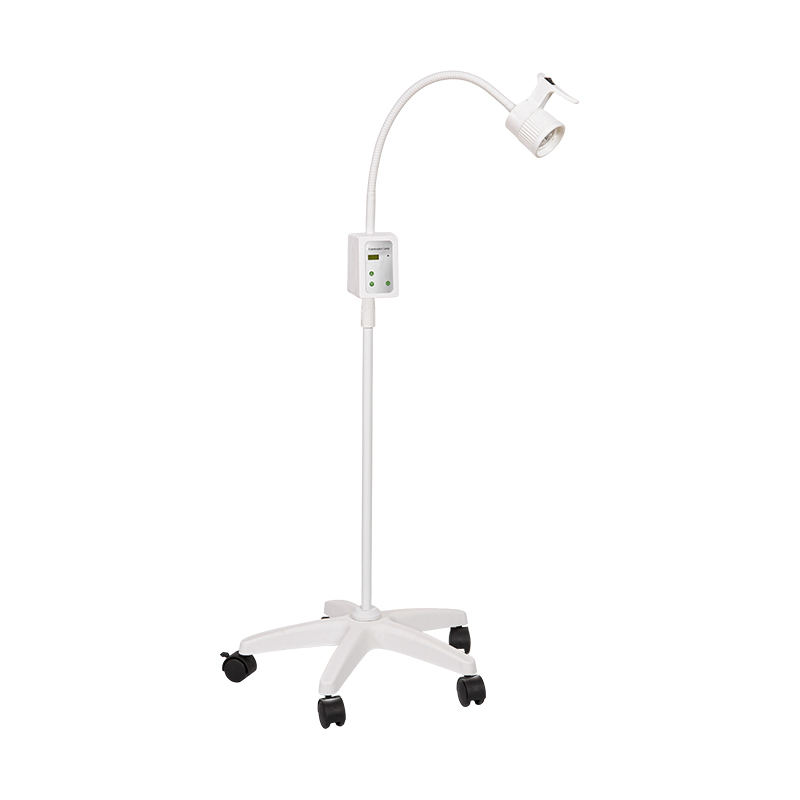
Equipment around the bed supports that routine but cannot replace it. Our own range at Jiangyin Jianshifu covers UV germicidal trolleys and desk lamps, plasma and UV air sterilizers, bed unit sterilizers, examination and surgical lighting and electric suction apparatus — the practical layer that keeps a scanning room clean, visible and ready. Probe reprocessing itself stays governed by the probe's own IFU and your local infection-control policy, and that is exactly where it belongs.
 We have specialised in medical devices for 32 years.
Contact Us
 No 48 Xiaokan Rd, Shizhuang town, Jiangyin, Jiangsu, China
 sara@jsf-qx.com
 +86-18915253915
 +86-18861287595
+86-18915253915
Copyright @ Jiangyin Jianshifu Equipment Co.,Ltd.
 Custom Disinfection Equipment Manufacturers
China Disinfection Equipment Factory
The information provided on this website is intended for use only in countries and jurisdictions outside of the People's Republic of China.


 English
 عربى