By Admin
Content
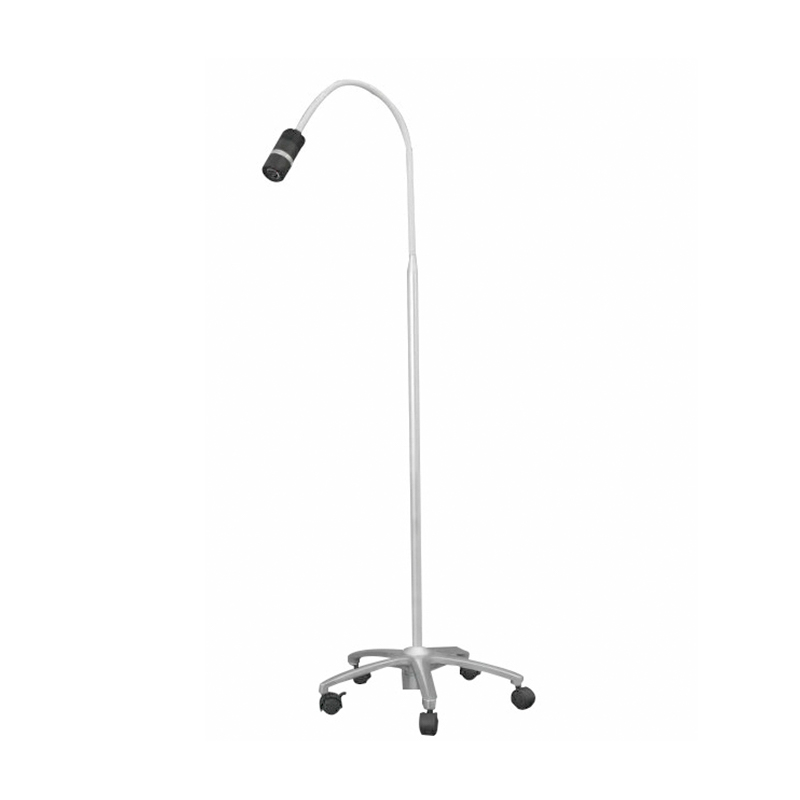
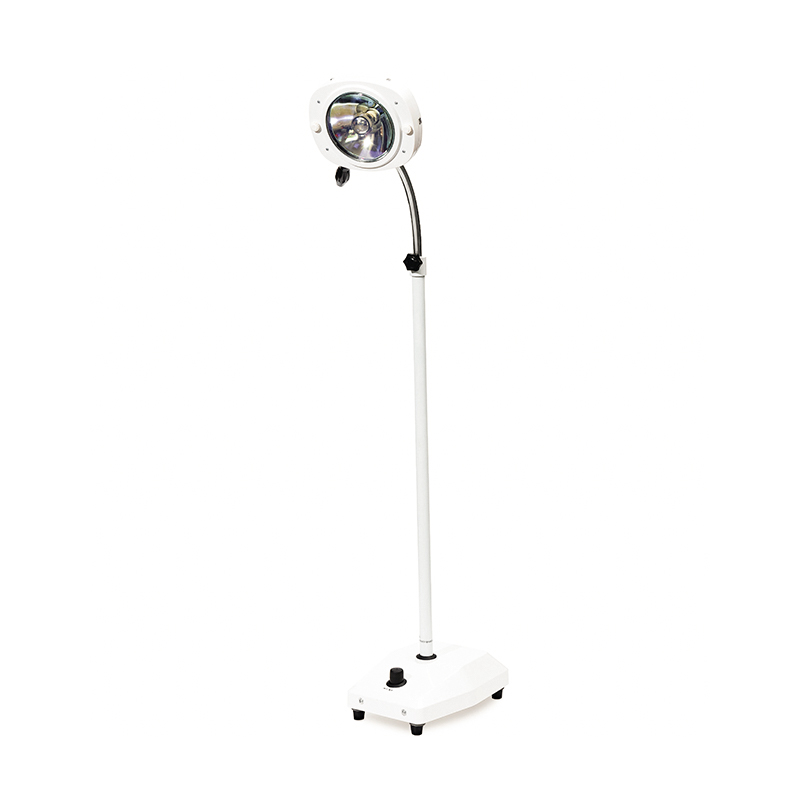
An examination lamp is a specialized medical lighting device designed to deliver bright, focused, and shadow-free illumination during clinical assessments. Unlike general room lighting, a professional examination lamp provides the color accuracy and intensity that clinicians need to detect subtle tissue changes, vascular patterns, and wound conditions. Choosing the right examination lamp directly affects diagnostic confidence and patient safety — which is why procurement decisions should be based on a clear understanding of lamp types, key performance parameters, and clinical use cases.
This article walks through the core functions of examination lamps, the differences between LED and halogen models, what specifications actually matter, and how to match a lamp to specific clinical environments.
At its core, an examination lamp serves one primary function: to illuminate a specific area of the patient's body with enough intensity and color fidelity for accurate clinical observation. However, the technical requirements behind this simple goal are considerable.
A well-designed examination lamp must produce shadow-free light across the examination field — a critical requirement in procedures where overlapping shadows can obscure tissue details. It must also generate minimal heat, since extended patient exposure to a warm light source causes discomfort and, in sensitive procedures, potential tissue irritation. Finally, the lamp must maintain consistent color rendering so that skin tones, mucous membranes, and wound beds appear true to life rather than distorted by artificial color casts.
Depending on the clinical setting — general practice, obstetrics and gynecology, ENT, ophthalmology, dermatology, or emergency care — different lamp configurations are required to meet these demands effectively.
The two dominant light source technologies in examination lamps are LED and halogen. Each has distinct characteristics that affect clinical performance, maintenance requirements, and total cost of ownership.
| Feature | LED Examination Lamp | Halogen Examination Lamp |
|---|---|---|
| Lifespan | Up to 50,000 hours | 1,000 – 2,000 hours |
| Heat Output | Very low (cold light) | Moderate to high |
| Color Rendering Index (CRI) | Typically Ra ≥ 85 – 95 | Ra ≥ 90 – 100 |
| Energy Consumption | Low (3W – 27W typical) | Higher (25W – 50W+) |
| Maintenance | Minimal (no bulb replacement) | Regular bulb replacement needed |
| Brightness (Lux) | 25,000 – 70,000+ lux | 10,000 – 35,000 lux |
For high-volume clinical facilities such as hospitals and outpatient centers, LED examination lamps offer a clear operational advantage due to their extended lifespan and lower running costs. Halogen models remain relevant in settings where the warmth of the light spectrum is preferred or where initial cost is a primary constraint. Both types are available in mobile floor-standing, wall-mounted, and compact handheld configurations to suit different facility layouts.
When evaluating examination lamps for procurement, technical specifications provide the clearest basis for comparison. The following parameters are the most clinically significant:
As a manufacturer with over 30 years of experience in medical device production, Jiangyin Jianshifu Equipment Co., Ltd. applies annual comprehensive testing across all these parameters — covering electrical safety, mechanical performance, and optical consistency — to ensure that every examination lamp leaving the facility meets the demands of professional clinical use.
Not all clinical environments have the same spatial constraints or examination requirements. Selecting the right mounting and mobility configuration is just as important as choosing the correct light source.
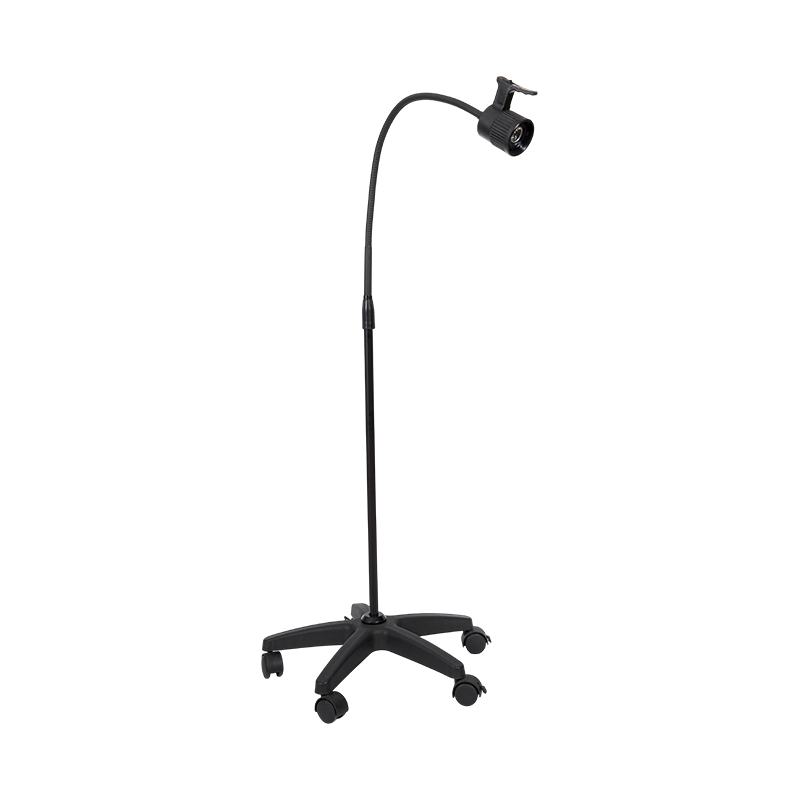
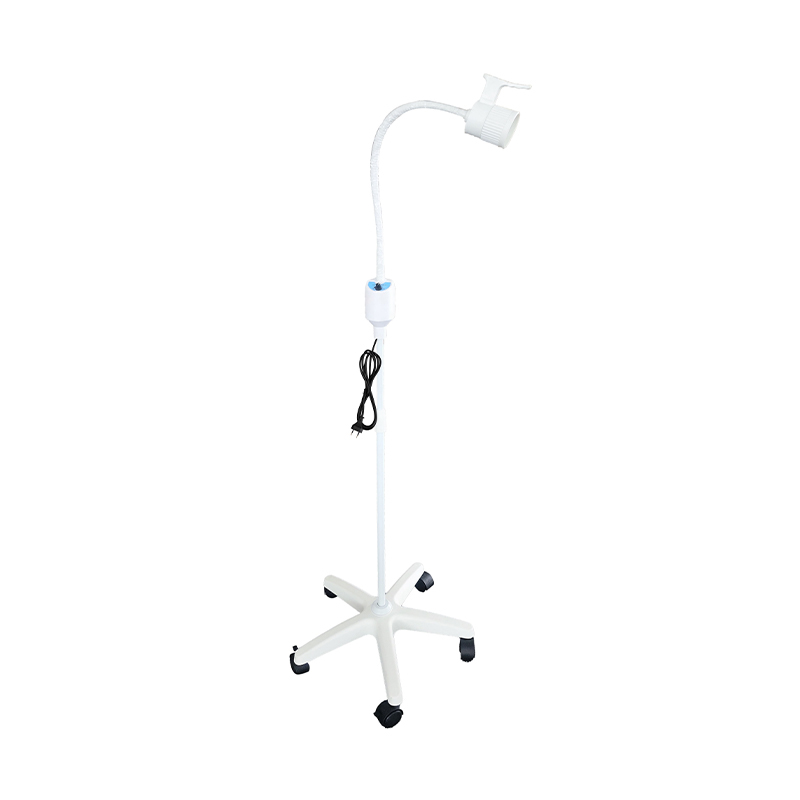
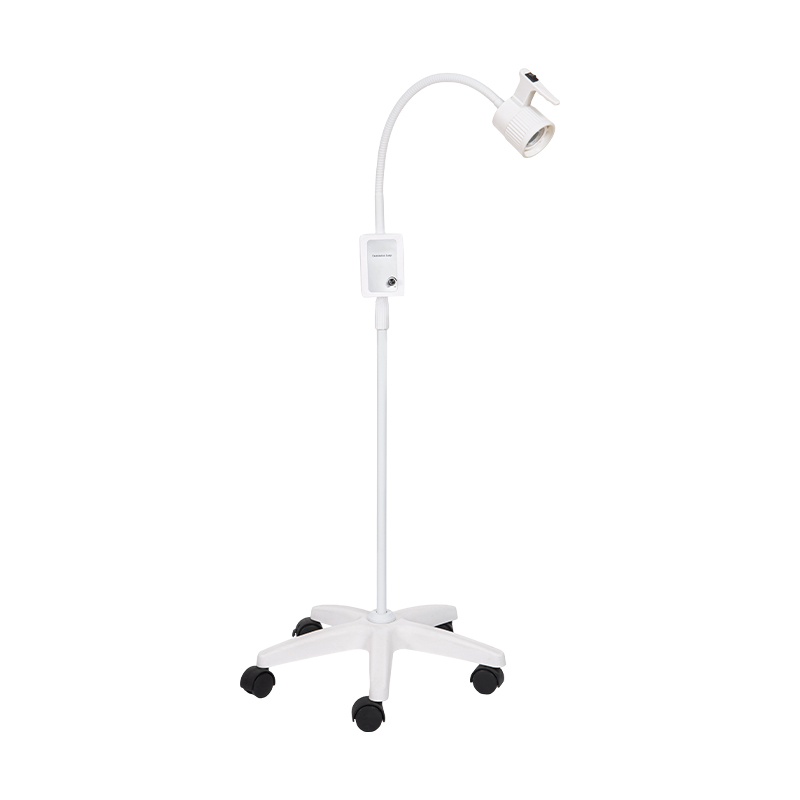
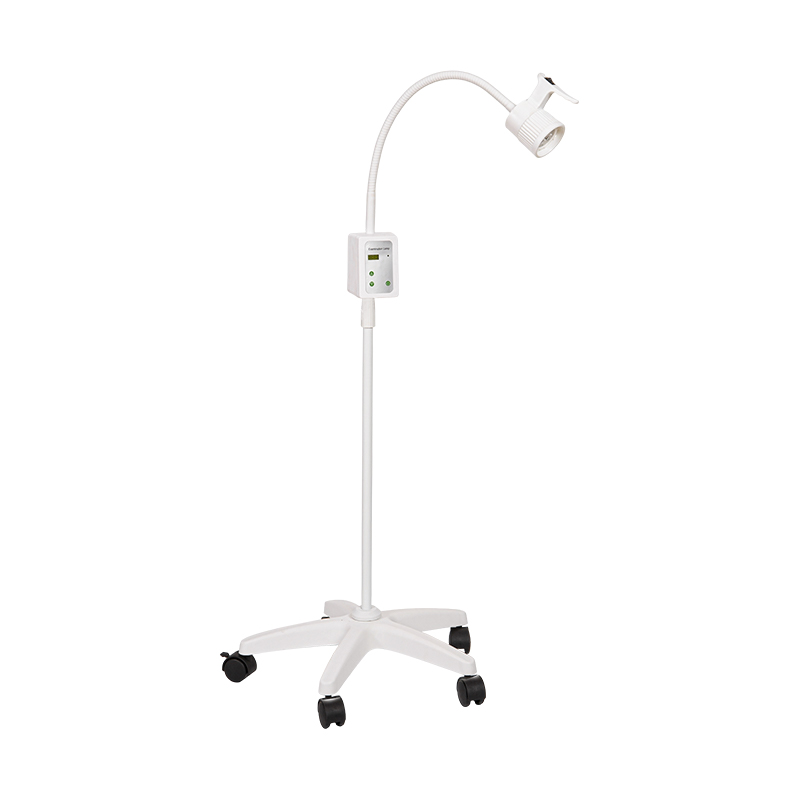
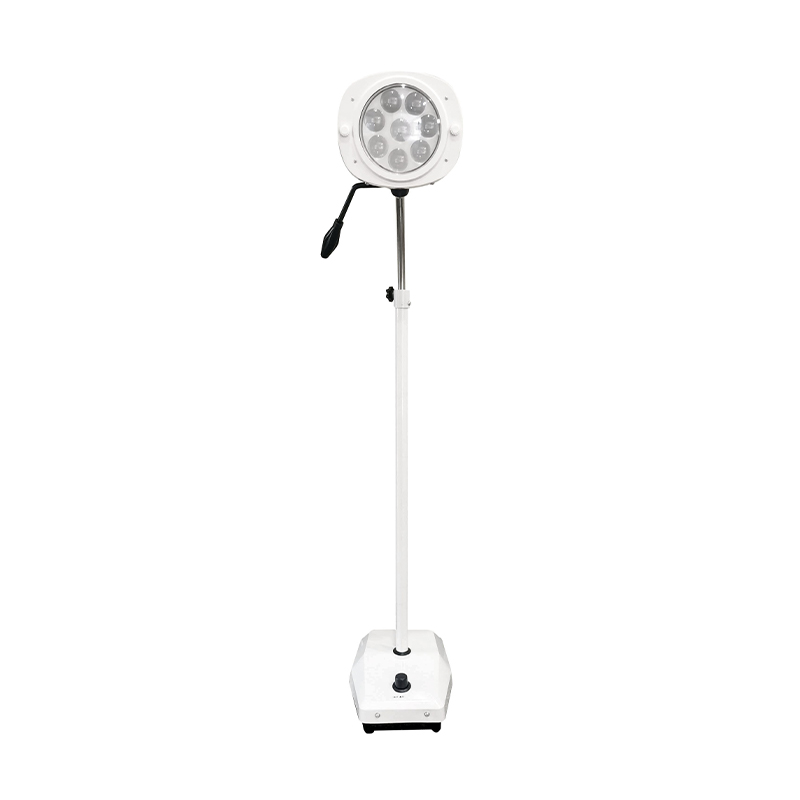
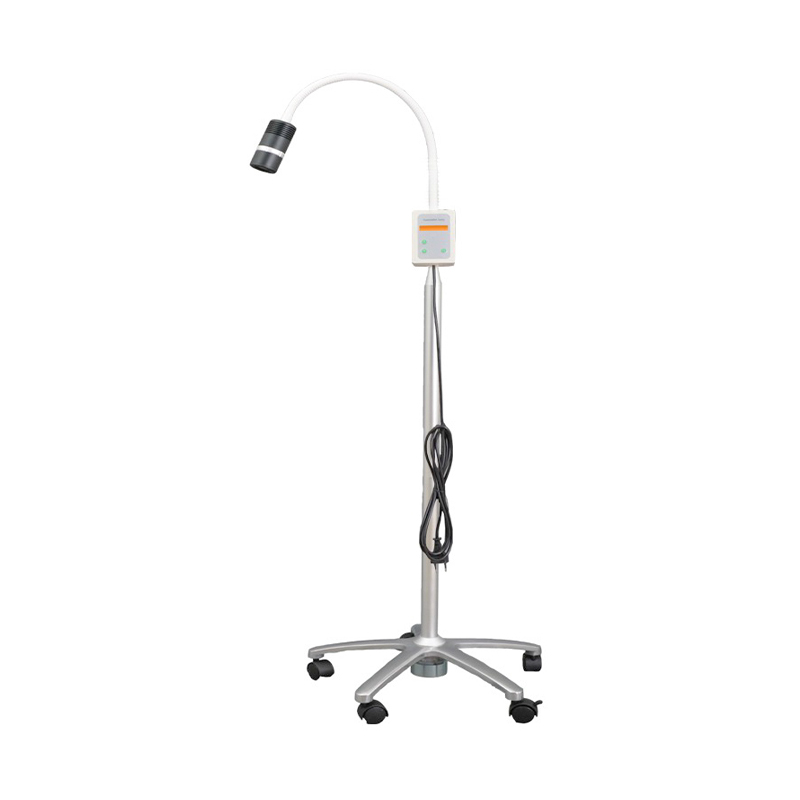
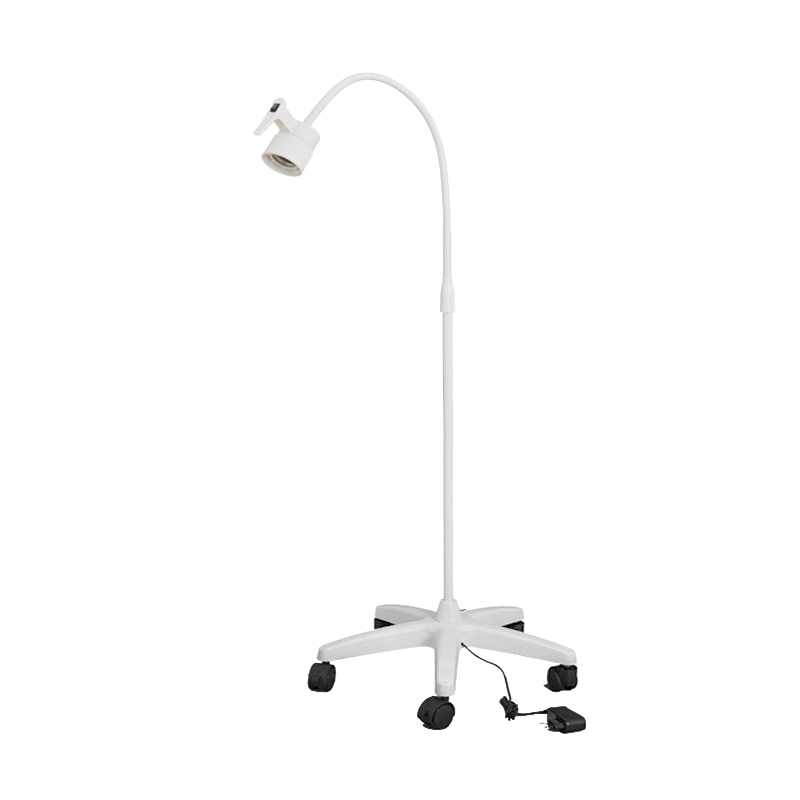
Supported by a wheeled base, mobile examination lamps can be repositioned quickly between examination bays or patient rooms. They are the preferred choice for general practice, emergency departments, and multi-purpose examination rooms. Some models include built-in rechargeable batteries, enabling use in areas without convenient wall outlets or during temporary setups.
Wall-mounted models are fixed installations suited to dedicated examination rooms where space is at a premium. They eliminate the risk of accidental repositioning and maintain a consistent workflow. These are commonly specified for ENT clinics, ophthalmology suites, dental treatment rooms, and obstetrics and gynecology examination areas.
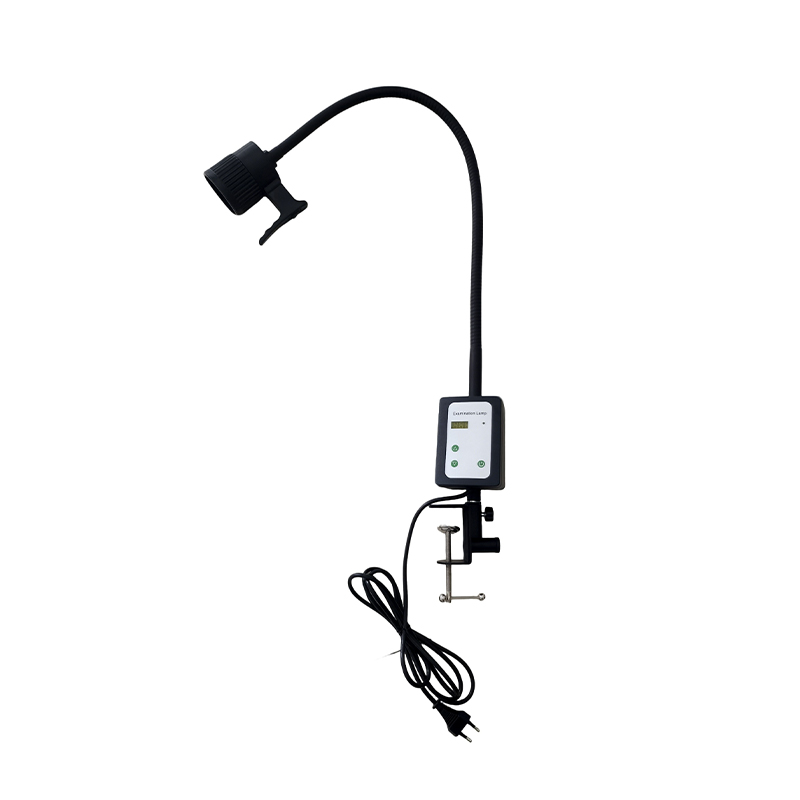
Smaller handheld or desk-mounted lamps are designed for focused, close-range examinations. Their compact lamp holders — some with diameters as small as 75 mm — allow easy manipulation in confined spaces. These models are frequently used in dermatology, ophthalmology, and dental examinations where precise illumination of a small target area is required.
Even high-quality examination lamps require consistent maintenance to sustain optical and mechanical performance. The following practices are recommended for clinical facilities managing examination lighting equipment:
For LED models, the absence of consumable bulbs significantly reduces routine maintenance demands. However, the LED module and driver electronics should still be included in periodic safety inspections to confirm that performance has not degraded below clinical thresholds.
The examination lamp market is evolving in three clear directions: greater intelligence, improved specialization by clinical application, and a stronger focus on environmental sustainability. Brightness adjustment via touch control or programmable presets is now standard on mid-to-high-end models, allowing clinicians to adapt illumination to the specific procedure without interrupting workflow. Specialized lamp configurations — optimized for dental cold light examination, dermatological assessment, or gynecological procedures — reflect a broader industry shift away from universal designs toward purpose-built clinical tools.
On the sustainability side, LED adoption continues to accelerate as facilities calculate the long-term energy and maintenance savings against initial investment. With LED lifespans exceeding 50,000 hours, the reduction in replacement frequency and associated waste represents a meaningful contribution to sustainable facility management — a factor increasingly considered in procurement decisions across healthcare systems worldwide.
For procurement professionals and clinical administrators evaluating examination lamps, the most effective approach remains the same: match the lamp's verified technical specifications to the actual demands of the clinical environment, confirm compliance with applicable safety standards, and consider total cost of ownership rather than initial unit cost alone. These criteria, applied consistently, lead to better equipment decisions and better outcomes for clinical teams and patients alike.
 We have specialised in medical devices for 32 years.
Contact Us
 No 48 Xiaokan Rd, Shizhuang town, Jiangyin, Jiangsu, China
 sara@jsf-qx.com
 +86-18915253915
 +86-18861287595
+86-18915253915
+86-18861287595
+86-18915253915
Copyright @ Jiangyin Jianshifu Equipment Co.,Ltd.
 Custom Disinfection Equipment Manufacturers
China Disinfection Equipment Factory
Custom Disinfection Equipment Manufacturers
China Disinfection Equipment Factory
The information provided on this website is intended for use only in countries and jurisdictions outside of the People's Republic of China.


 English
  عربى
عربى