By Admin
Content
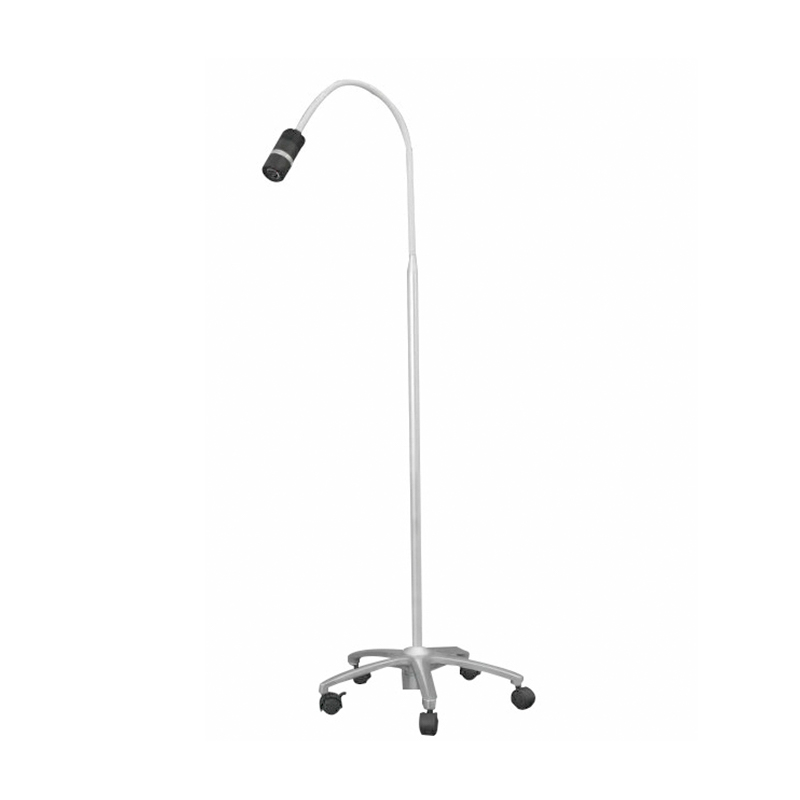
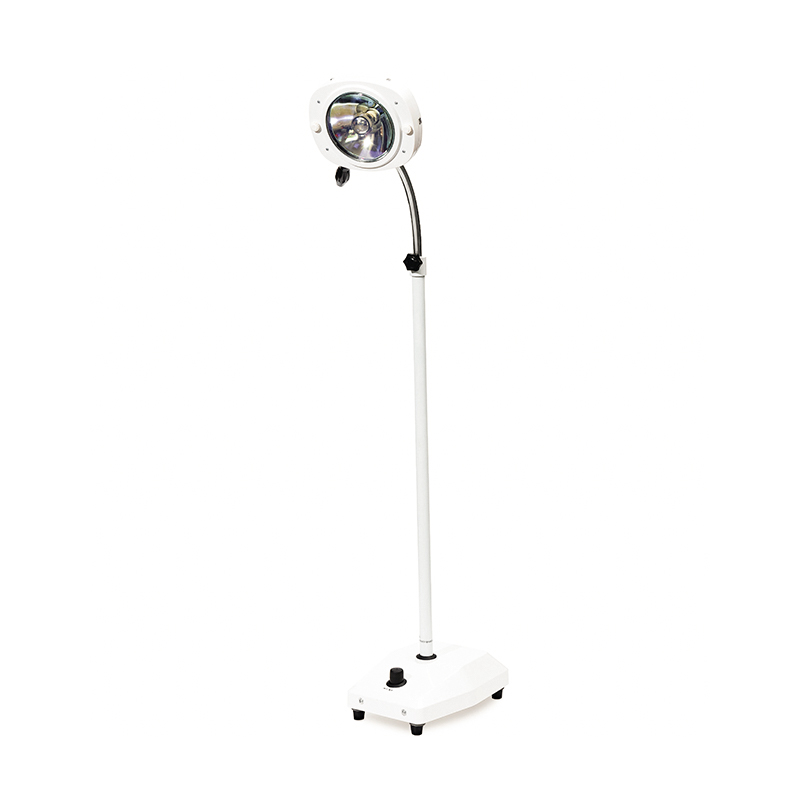
Infrared lamp therapy is primarily used for pain relief, muscle recovery, wound healing, and skin rejuvenation. By emitting infrared light that penetrates below the skin surface, an infrared therapy lamp delivers therapeutic heat directly to muscles, joints, nerves, and even bone tissue — without the side effects associated with medications or invasive procedures. From clinical rehabilitation settings to home wellness routines, infrared therapy lamps have become a trusted, non-invasive tool across a wide range of health applications.
Infrared light occupies the spectrum between visible light and microwave radiation, spanning wavelengths from roughly 780 nm to 1 mm. Unlike ultraviolet light, which can damage skin cells, infrared light promotes cellular repair and regeneration. Infrared radiation penetrates 2 to 7 centimeters beneath the skin, reaching muscle, nerve, and connective tissue layers that topical treatments cannot access.
At the cellular level, near-infrared wavelengths are absorbed by cytochrome c oxidase, an enzyme in the mitochondria. This interaction stimulates the mitochondria to produce more adenosine triphosphate (ATP) — the primary energy molecule in all living cells. Greater ATP availability supports faster cell repair, reduced oxidative stress, and a more robust inflammatory response. This mechanism, known as photobiomodulation (PBM), underpins many of the documented therapeutic effects of infrared therapy lamps.
Infrared therapy also promotes vasodilation — the widening of blood vessels — which improves the circulation of oxygen-rich blood to targeted tissues. Better circulation accelerates the removal of metabolic waste products from injured areas, shortening recovery time and reducing localized pain.
Not all infrared therapy lamps emit the same wavelength. Understanding the three infrared bands helps match the right lamp to the right therapeutic goal.
| Type | Wavelength Range | Tissue Penetration | Primary Therapeutic Uses |
|---|---|---|---|
| Near-Infrared (NIR) | 700 – 1,400 nm | Deep — muscles, joints, nerves | Pain relief, wound healing, skin rejuvenation, cellular energy |
| Mid-Infrared (MIR) | 1,400 – 3,000 nm | Moderate — soft tissue and joints | Chronic pain, improved circulation, joint mobility |
| Far-Infrared (FIR) | 3,000 nm – 1 mm | Surface — skin and subcutaneous tissue | Detoxification, blood pressure support, whole-body heat therapy |
Near-infrared is the type most commonly used in therapy-grade infrared lamps because of its superior depth of penetration and well-documented photobiomodulation effects. Clinical research has consistently identified wavelengths around 810 nm and 1,064 nm within the NIR range as achieving the greatest tissue penetration in human subjects, making NIR lamps particularly effective for musculoskeletal and neurological applications.
Pain management is the most common reason people use an infrared therapy lamp. Infrared light reduces inflammation at the cellular level by modulating the body's inflammatory response — an effect that is non-pharmacological and free of the gastrointestinal risks associated with oral pain medications.
Conditions that respond well to infrared lamp therapy for pain relief include:
The mechanism behind pain relief is twofold: infrared heat causes vasodilation that flushes inflammatory cytokines from the tissue, and photobiomodulation directly suppresses pro-inflammatory signaling at the cellular level. Infrared therapy also boosts endorphin production, providing a natural analgesic effect.
Athletes and physiotherapists increasingly incorporate infrared therapy lamps into training and rehabilitation protocols. The combination of enhanced circulation and photobiomodulation accelerates the clearance of lactic acid and other metabolic by-products from fatigued muscles, reducing delayed-onset muscle soreness (DOMS).
Research has demonstrated that near-infrared therapy significantly increases blood flow and tissue oxygenation — key factors in how quickly muscle tissue can recover between sessions. Elite athletes in multiple sports disciplines have adopted infrared-emitting garments and targeted lamp devices as standard recovery tools.
An infrared therapy lamp applied before exercise can also function as a warm-up tool, improving tissue elasticity and range of motion without the cardiovascular load of a physical warm-up — particularly useful for athletes recovering from injury.
One of the earliest clinical applications of infrared light is wound care. Studies have shown that exposure to near-infrared wavelengths enhances three key biological processes required for wound closure:
Beyond acute wounds, infrared lamp therapy has demonstrated benefits for scar reduction, cold sore healing, and chronic ulcers. It is used in post-surgical recovery to minimize scar tissue formation and speed the restoration of normal tissue architecture.
Dermatological applications of infrared lamp therapy are supported by a growing body of clinical evidence. At the skin level, infrared therapy — especially near-infrared wavelengths combined with visible red light — supports:
For skin applications, the optimal therapeutic window lies between 630–660 nm (red light) and 810–850 nm (near-infrared), with these wavelengths showing the most consistent clinical outcomes for surface-level skin concerns and deeper tissue rejuvenation respectively.
Far-infrared therapy in particular has been studied for its broader systemic effects. By increasing core body temperature and promoting sustained vasodilation, FIR lamp therapy mimics some of the cardiovascular benefits of moderate exercise — a characteristic that is especially valuable for individuals with mobility limitations.
Preliminary research suggests that far-infrared exposure may support blood pressure regulation and improvements in lipid metabolism, both of which contribute to reduced cardiovascular risk. FIR has also been associated with increased vascular endothelial growth factor (VEGF) secretion, which supports the formation of new blood vessels and improved tissue perfusion.
Additionally, far-infrared therapy may improve insulin sensitivity by reducing the inflammatory and oxidative conditions often associated with metabolic disorders, making it a subject of active research in the management of type 2 diabetes and related conditions.
Emerging research is expanding the recognized uses of infrared lamp therapy into neurological and psychological health. Near-infrared light, due to its ability to penetrate cranial tissue and reach superficial brain structures, has shown promise for supporting cerebral blood flow and mitochondrial function in neurons.
On the mental health side, a study found that infrared sauna sessions combined with cognitive behavioral therapy produced a statistically significant reduction in depression symptoms. Separately, full-body infrared heat therapy is documented as an effective treatment for seasonal affective disorder (SAD), offering a drug-free alternative for individuals who respond poorly to conventional light therapy.
Researchers have also proposed that infrared therapy may support neurodegenerative disease management through its effects on mitochondrial function, inflammation, and oxidative stress — three pathways implicated in conditions such as Alzheimer's and Parkinson's disease.
Proper technique maximizes therapeutic benefit and minimizes any risk. Clinical guidelines for infrared lamp use specify several important parameters:
For maximum tissue penetration, position the lamp at a right angle to the treatment area. A large lamp (750–1,000 W) is typically placed 60–75 cm from the skin surface, while smaller lamps are effective at 45–50 cm. Non-luminous infrared lamps should be switched on up to 15 minutes before use to reach maximum emission.
The eyes must always be shielded during infrared lamp treatment. Even when the treatment area is not near the face, protective eyewear should be worn as a precaution against scattered infrared radiation.
Before beginning a session, examine the skin for any open wounds, redness, or active inflammation. Test thermal sensation in the target area to ensure the user can accurately perceive heat intensity and avoid thermal injury.
Infrared lamp therapy is generally well-tolerated, but certain individuals should consult a healthcare provider before use:
Understanding how infrared lamp therapy compares to other common physical therapy tools helps clarify when it is the most appropriate choice.
| Modality | Penetration Depth | Drug-Free | Home Use | Key Strength |
|---|---|---|---|---|
| Infrared Therapy Lamp | Up to 7 cm | Yes | Yes | Deep tissue + photobiomodulation |
| Heating Pad | Surface only | Yes | Yes | Convenience and low cost |
| Ultrasound Therapy | Up to 5 cm | Yes | Limited | Joint and tendon targeting |
| TENS (Electrical Stimulation) | Nerve level | Yes | Yes | Nerve pain interruption |
| Oral Pain Medication | Systemic | No | Yes | Broad systemic effect |
The infrared therapy lamp's distinguishing advantage is its unique combination of meaningful tissue penetration depth and photobiomodulation effects — neither of which a conventional heating pad can replicate. It is also more accessible for home use than clinical ultrasound devices, making it a practical option for ongoing self-care between professional physiotherapy sessions.
When selecting an infrared therapy lamp, several factors determine clinical effectiveness:
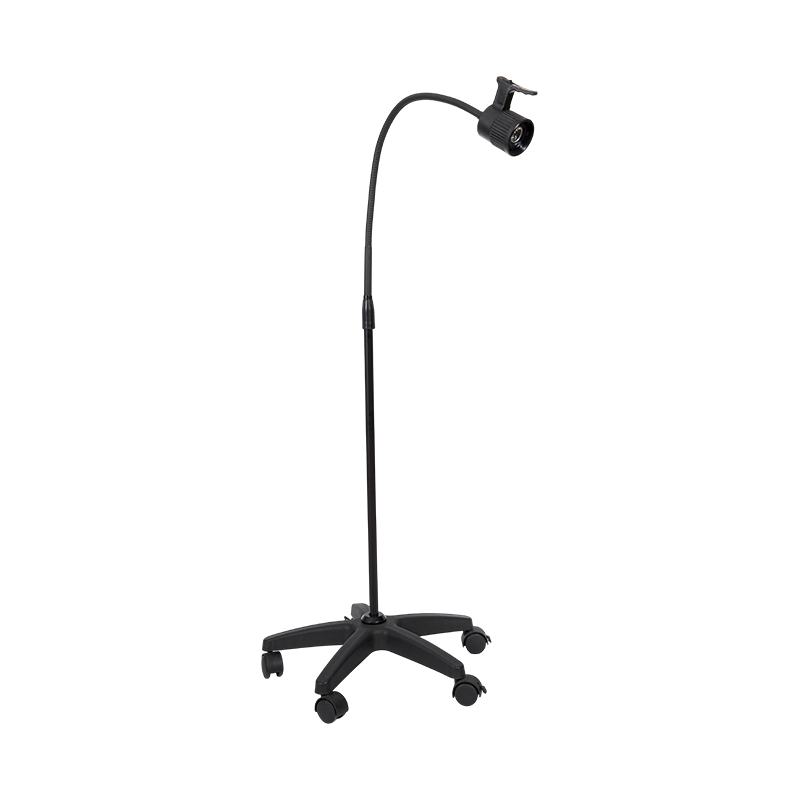
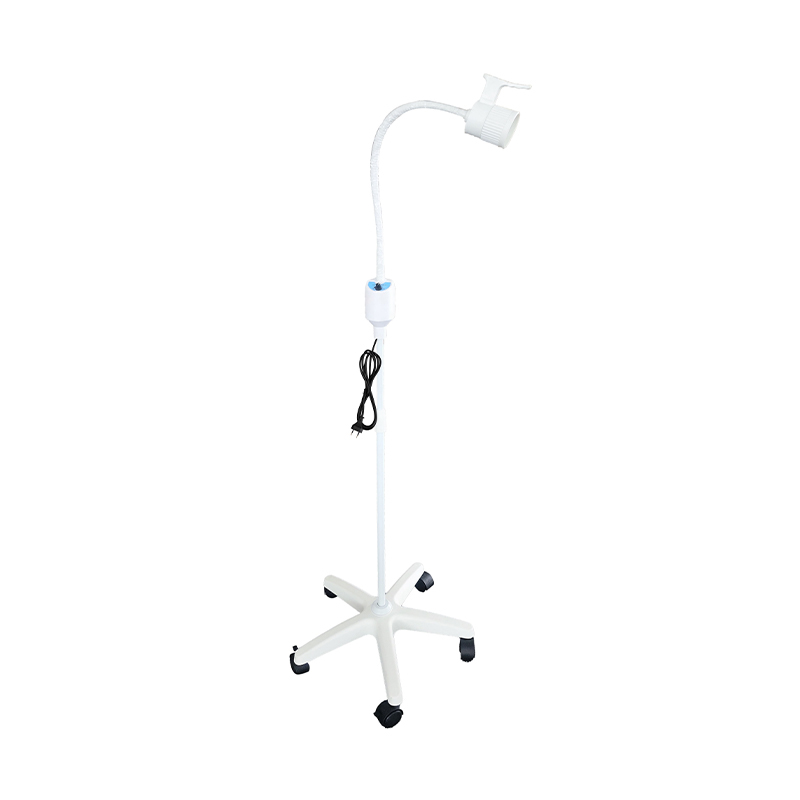
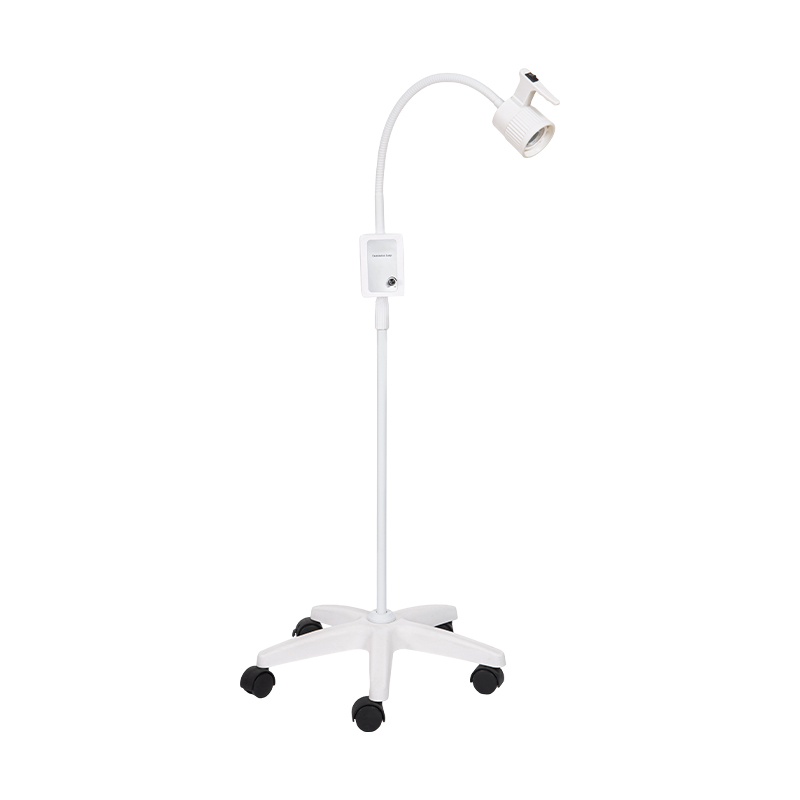
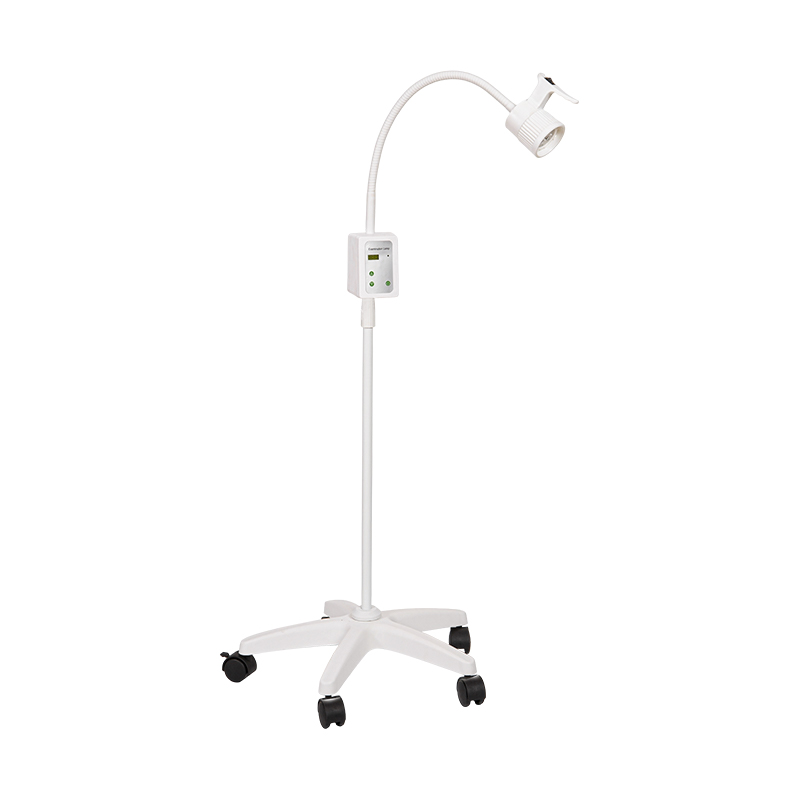
A professional-grade infrared therapy lamp designed for clinical and home use will clearly document its wavelength range, output power, and recommended treatment protocols — all essential information for selecting a device that delivers consistent, evidence-based results.
 We have specialised in medical devices for 32 years.
Contact Us
 No 48 Xiaokan Rd, Shizhuang town, Jiangyin, Jiangsu, China
 sara@jsf-qx.com
 +86-18915253915
 +86-18861287595
+86-18915253915
+86-18861287595
+86-18915253915
Copyright @ Jiangyin Jianshifu Equipment Co.,Ltd.
 Custom Disinfection Equipment Manufacturers
China Disinfection Equipment Factory
Custom Disinfection Equipment Manufacturers
China Disinfection Equipment Factory
The information provided on this website is intended for use only in countries and jurisdictions outside of the People's Republic of China.


 English
  عربى
عربى