By Admin
Content
A vaccination team orders 3 mL Luer-slip syringes and 23G × 1 inch needles for an adult campaign. On the first morning the tips separate under pressure, several injections land short on heavier patients, and the clinic burns through stock twice as fast as planned. Neither product is defective. The label simply does not match the job.
The rule that prevents this is short: the route and tissue depth choose the needle, while the dose, viscosity and connection type choose the syringe. Everything else, from hub colour to dead space to packaging, is a refinement of those two decisions.
Tissue depth under the skin sets needle length, the required flow sets gauge, and the dose sets barrel size. Working backwards from the route is faster than scrolling a catalogue, and it avoids the classic mismatch of a 1 inch needle on a patient who needs 1½ inches.
| Route | Typical needle | Typical syringe | Common failure |
|---|---|---|---|
| Intradermal | 26–27G, 3/8–5/8 in | 1 mL tuberculin, 0.01 mL graduations | Needle too long, no bleb formed |
| Subcutaneous | 25–27G, 3/8–5/8 in | 0.5–1 mL | Depth ignored in thin patients |
| Intramuscular | 21–23G, 1–1½ in | 2–3 mL | Short needle, drug left in fat |
| Intravenous | 18–22G, 1–1¼ in | 3–10 mL, Luer lock | Tip separation under pressure |
| Blood collection | 21–23G, 1–1½ in | Matched to the collection system | Haemolysis from too fine a gauge |
| Reconstitution | 18–21G | 5–10 mL | Coring the stopper, glass particles |
| Enteral feeding | No needle | 10–60 mL, enteral tip | Luer misconnection risk |
The table is a starting point, not a protocol. Two variables shift it in practice. Deltoid fat thickness varies enough that a 5/8 inch needle reaches muscle in many lean adults and stops short in others, which is why immunisation guidance often sets a weight threshold above which a longer needle is specified. For older patients on anticoagulants, a finer gauge reduces bleeding at the puncture site, but that same fine needle is a poor choice for a blood draw of several tubes.
A syringe is a pump with a seal; a needle is a tube with a cutting edge. Most complaints in the field trace back to four components rather than to the whole device.
A Luer lock threads the needle hub into a collar, which is why it is standard for viscous drugs, contrast media and anything given under pressure. A Luer slip relies on friction, loads faster and is fine for small volumes, but it can separate when a filter or a stiff connector is added. Eccentric tips offset the needle towards the barrel wall so it can lie almost parallel to the skin during shallow-angle work. Enteral and oral syringes use a dedicated non-Luer connector under the ISO 80369 series, so a feeding syringe cannot be attached to an intravenous line by accident.
Wound and catheter irrigation calls for 50–60 mL catheter-tip syringes that move volume without a needle. Where fluid must be removed continuously rather than drawn and re-drawn by hand, a portable electric suction apparatus does what a syringe cannot sustain.
 Portable Electric Suction Apparatus 3E-AFor continuous removal of blood and exudate where manual syringe suction is not sustainable, with battery power, adjustable negative pressure and one-button start.View Product →
Labels read gauge × length, and gauge runs in reverse: the higher the number, the finer the needle. Inner diameter rather than outer diameter decides flow, which is why 18G moves blood components quickly while 30G barely passes water.
| Gauge | Outer diameter | Typical use |
|---|---|---|
| 18G | 1.2 mm | Rapid fluid, blood components, viscous drugs |
| 20G | 0.9 mm | Routine adult intravenous access |
| 21G | 0.8 mm | Blood collection, intravenous access |
| 23G | 0.6 mm | Intramuscular, subcutaneous, dental |
| 25G | 0.5 mm | Subcutaneous, paediatric intramuscular |
| 27G | 0.4 mm | Intradermal, dental infiltration |
| 30G | 0.3 mm | Insulin, fine subcutaneous work |
A regular triple-bevel point suits subcutaneous and intramuscular work; a short bevel is less likely to cut through the far vein wall during intravenous access. Thin-wall needles deliver higher flow at the same gauge, so a 22G thin-wall can sometimes replace a 20G without losing speed. When drawing up from a glass ampoule, a filter needle or filter straw keeps glass particles out of the barrel.
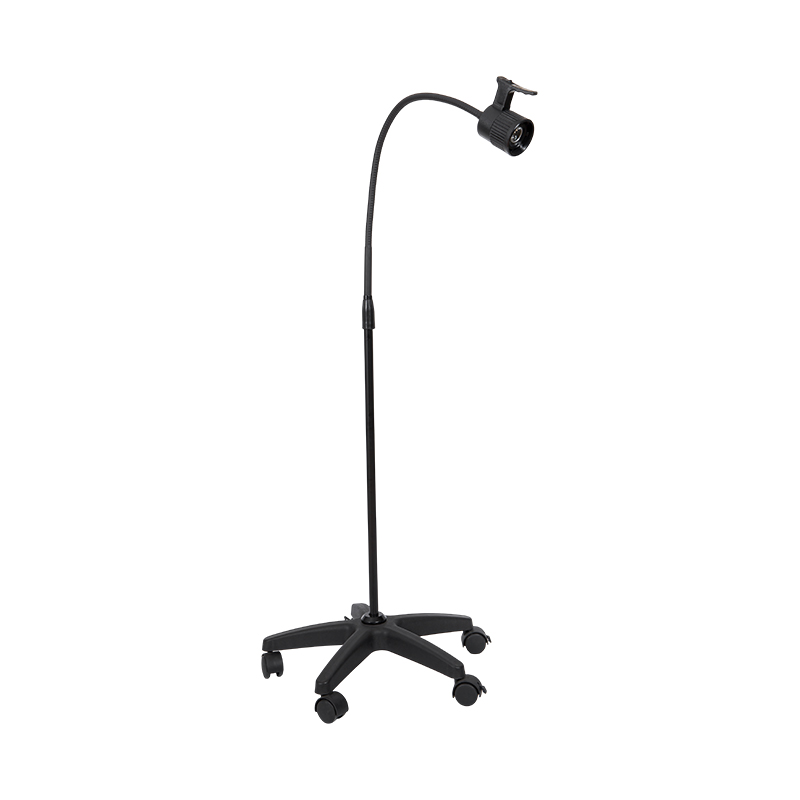
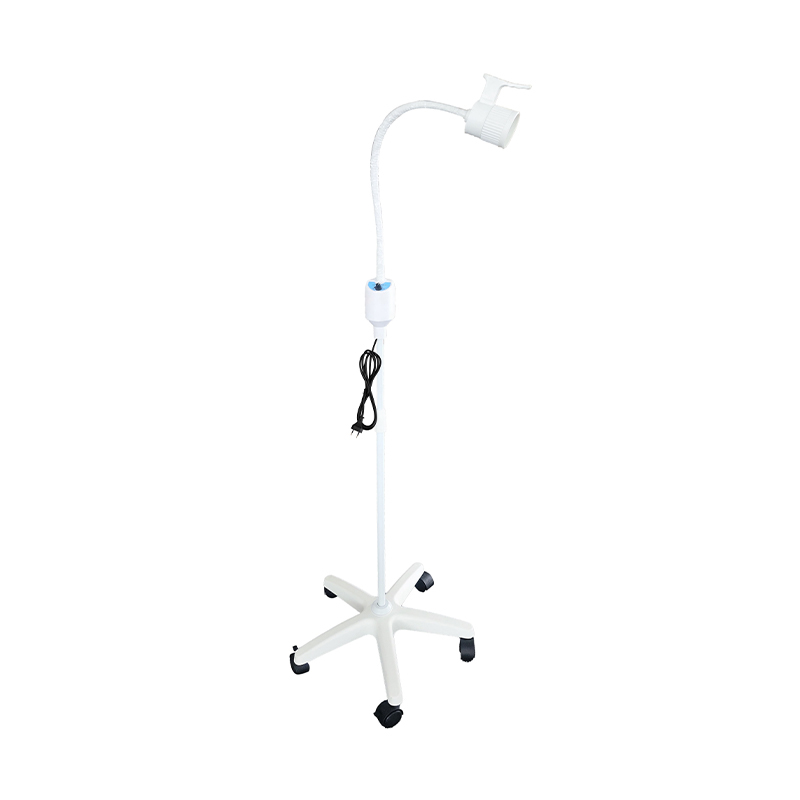
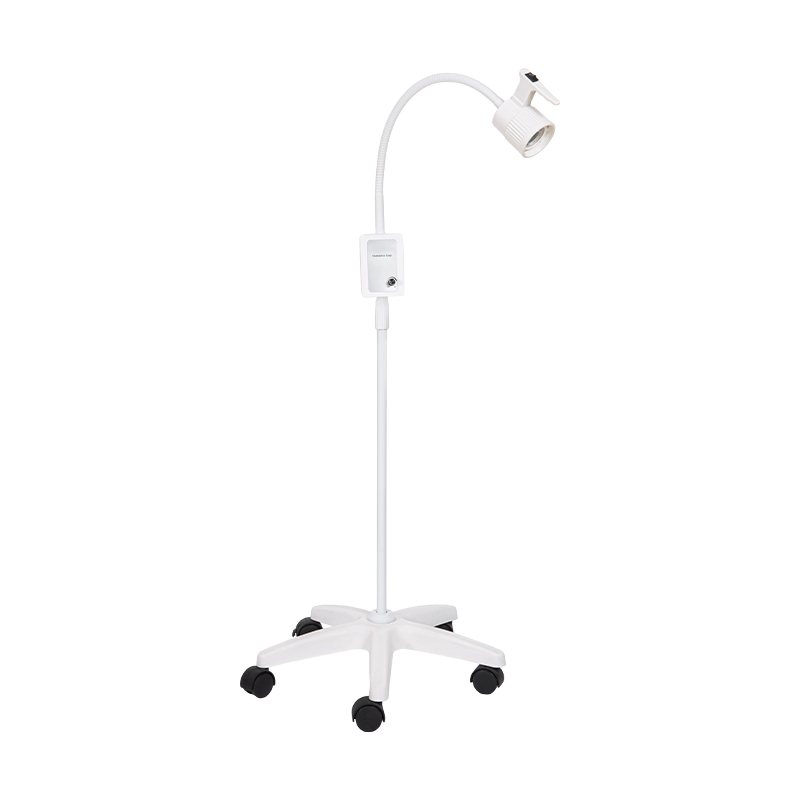
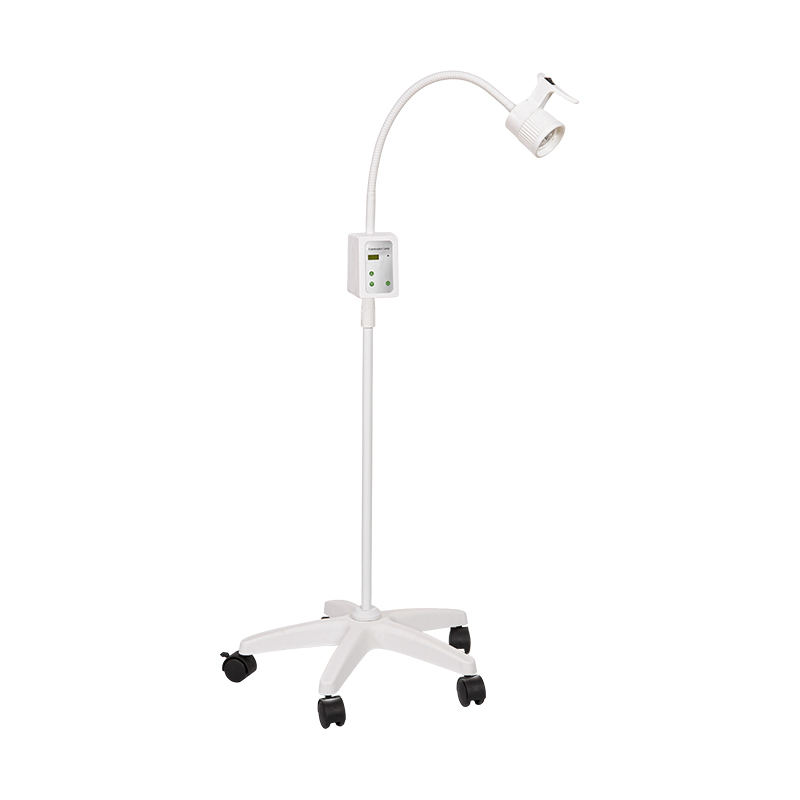
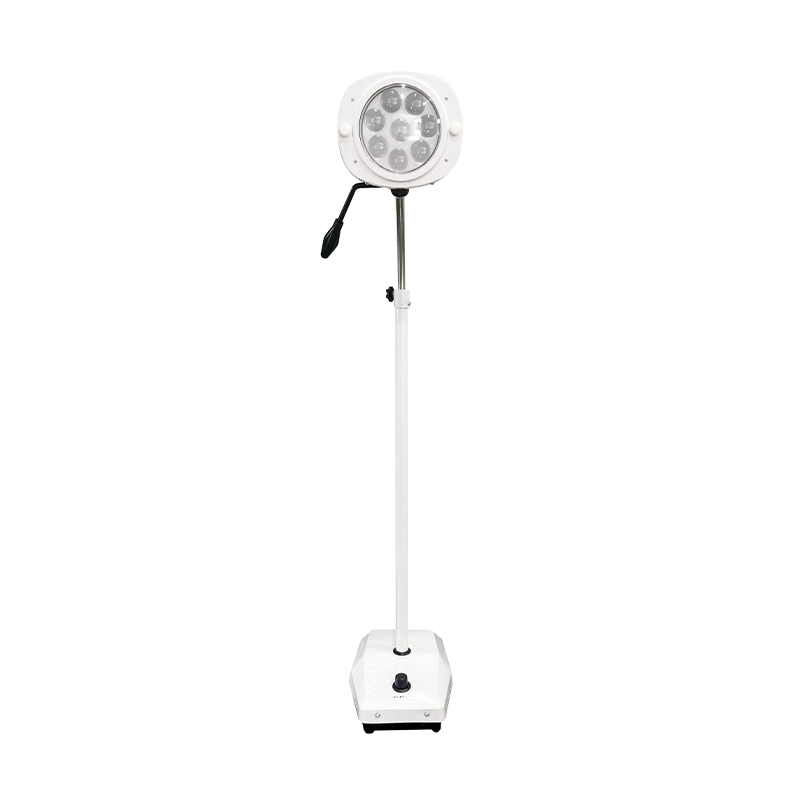
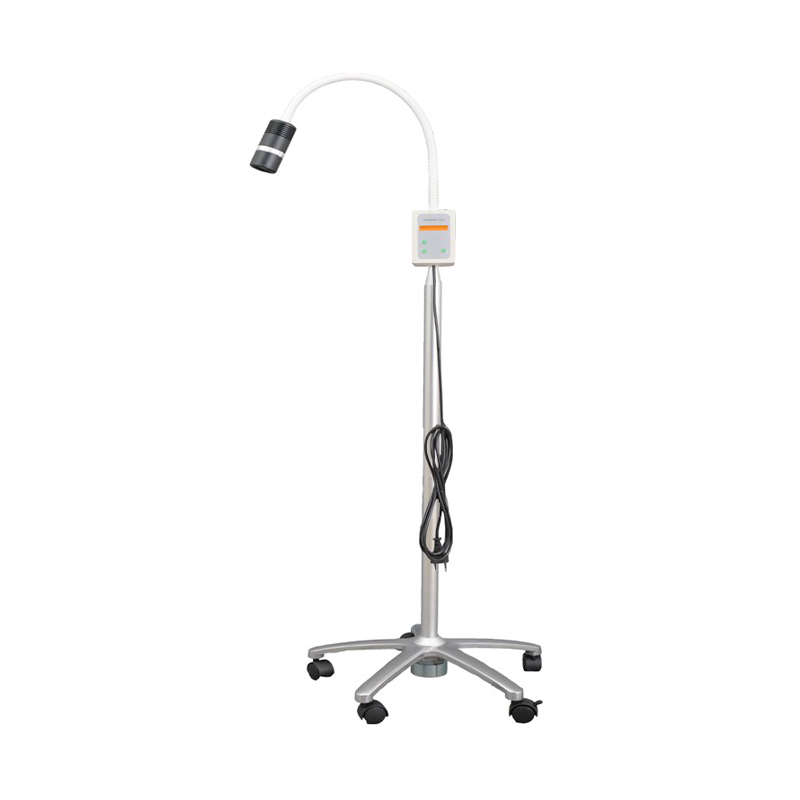
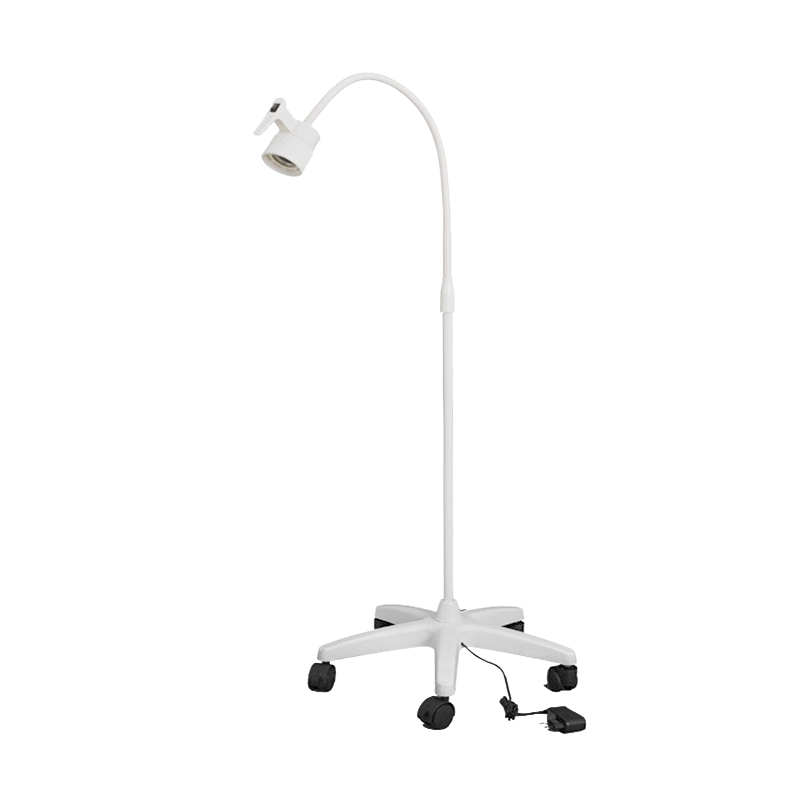
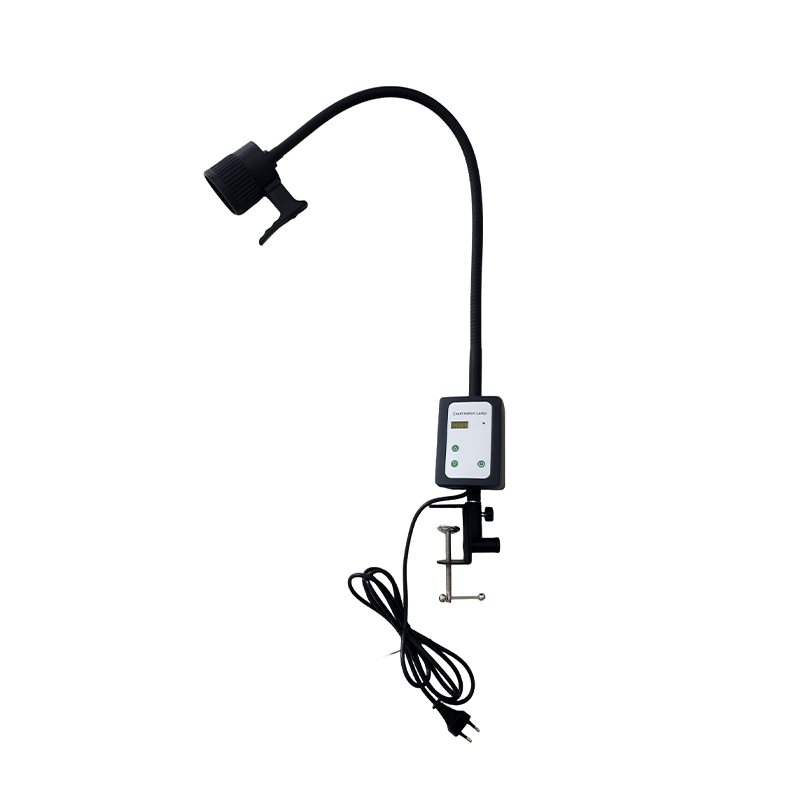
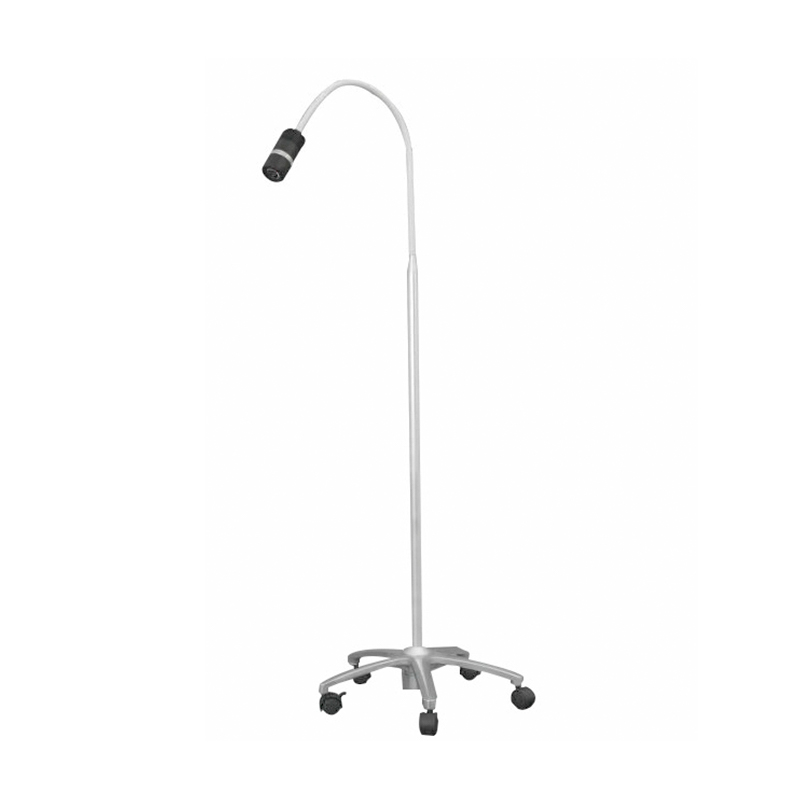
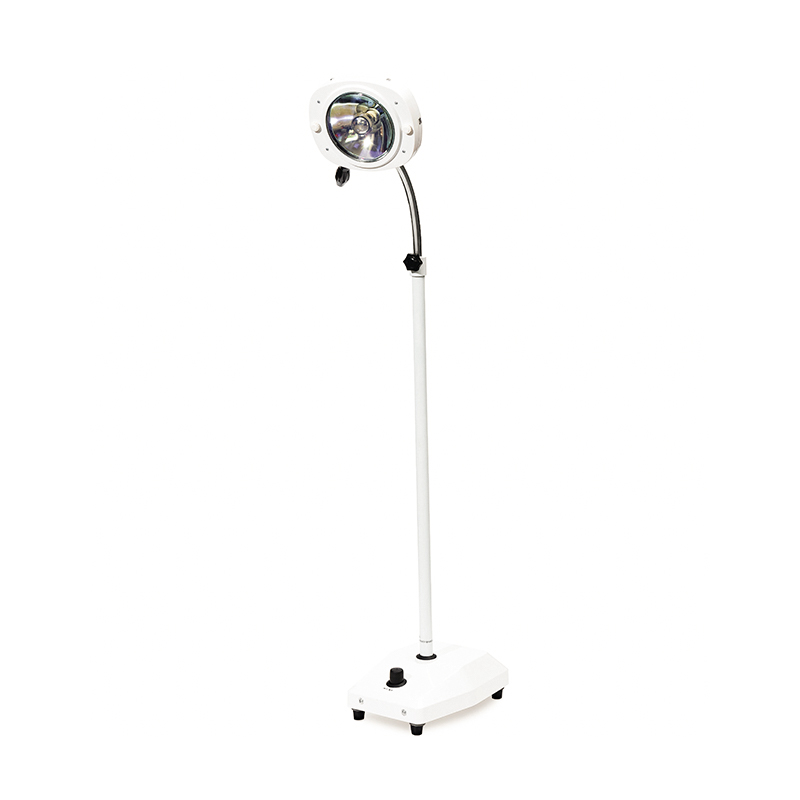
Fine gauges punish poor lighting: the difference between a correctly placed intradermal bleb and a subcutaneous miss is often a matter of millimetres. A focused, adjustable examination lamp with a gooseneck arm lets the operator angle light onto the site without moving the patient.
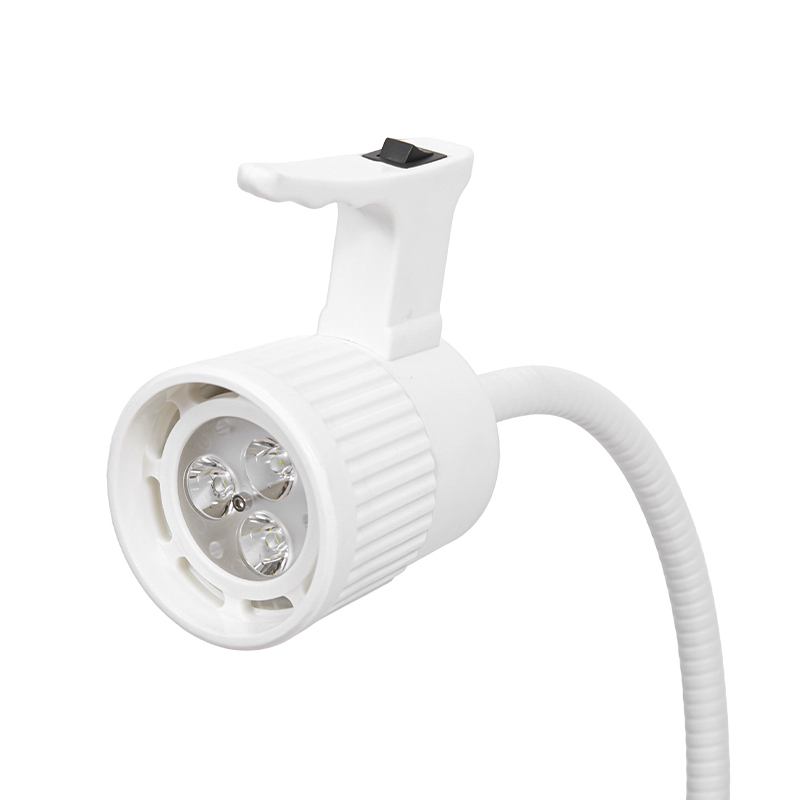 9W Mobile LED Examination Lamp JSF-JCU02Adjustable, focused light for fine-gauge procedures, with a flexible arm, spotlight and floodlight modes, and backup battery for mobile use.View Product →
Consumables get all the attention, but room-side equipment shapes how smoothly an injection clinic runs. Mattresses, pillows and bedding hold what surface wipes never reach, which is the gap a bed unit sterilizer is built for in the turnover cycle between patients.
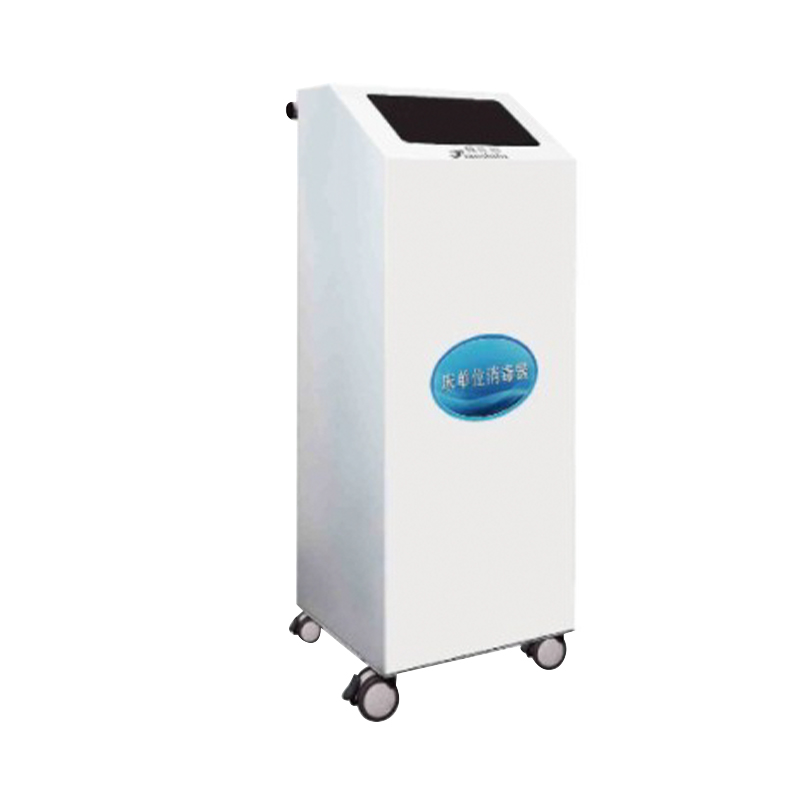 Medical Mobile Bed Unit Sterilizer JSF-CX-01Ozone-based mobile disinfection for mattresses and bedding, with programmable timing, two-bed capacity and an ozone alarm for safety.View Product →
If you are drafting that routine from scratch, this practical guide to the bed unit sterilizer workflow covers cycle stages and the checks worth writing into a standard operating procedure.
None of these steps takes long, and together they prevent the expensive version of the problem: a shipment that meets its own specification but not the clinical task. The pattern holds across every product line. Match the needle to the route and tissue depth, match the syringe to the dose and the connector, then buy on documented evidence rather than on the part number everyone already knows.
 We have specialised in medical devices for 32 years.
Contact Us
 No 48 Xiaokan Rd, Shizhuang town, Jiangyin, Jiangsu, China
 sara@jsf-qx.com
 +86-18915253915
 +86-18861287595
+86-18915253915
Copyright @ Jiangyin Jianshifu Equipment Co.,Ltd.
 Custom Disinfection Equipment Manufacturers
China Disinfection Equipment Factory
The information provided on this website is intended for use only in countries and jurisdictions outside of the People's Republic of China.


 English
 عربى